
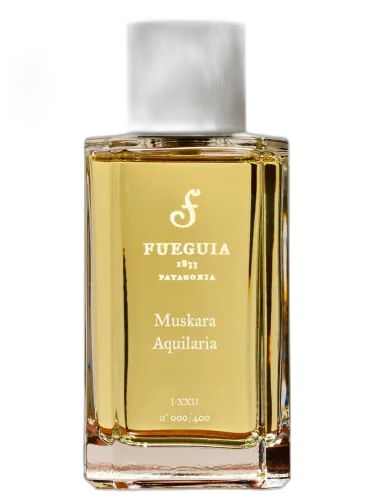
Muskara Aquilaria Fueguia 1833
At a glance
Is Muskara Aquilaria Fueguia 1833 worth trying?
Muskara Aquilaria by Fueguia 1833 is a fragrance for women and men.
- Best match
- Evening wear in Fall
- Performance feel
- Excellent longevity with Strong sillage
- Signature profile
- oud, musky, powdery with Musk, Laotian Oud, Thailand Oud
The first impression
Muskara Aquilaria by Fueguia 1833 is a fragrance for women and men. This is a new fragrance. Muskara Aquilaria was launched in 2022. The nose behind this fragrance is Julian Bedel.
What shapes the scent
The perfumer behind it

Julian Bedel
Julian Bedel is a perfumer for Fueguia 1833, an Argentine niche fragrance house. His catalog includes Acacia, Agua De Gardenia, and Agua Magnoliana, as well as Aguila De Ambar, Alba, Alhambra, Alma, and Amalia Gourmand. His compositions often draw from natural ingredients and South American inspirations.
Notes pyramid
All Notes
Complete scent profile
 Musk
Musk
 Laotian Oud
 Thailand Oud
 Indian Oud
 Agarwood (Oud)
The mood it creates
The Sage Archetype: Portrait of Muskara Aquilaria Fueguia 1833
Essence
Muskara Aquilaria Fueguia 1833 is a fragrance of paradox-smoky yet refined, earthy yet ethereal, rooted in the rarest of woods yet lifted by elusive, almost spiritual top notes. The person who chooses this scent is drawn to complexity, to the interplay of shadow and light, to the tension between the primal and the polished. They are not one for the obvious or the fleeting; they seek depth, resonance, and meaning in all things.
This individual is most closely aligned with the Sage archetype-the seeker of wisdom, the interpreter of hidden truths, the one who values knowledge not for its own sake, but for the power it grants to understand the world in its full ambiguity.
Philosophy & Values
They are drawn to philosophies that embrace contradiction-Nietzsche’s amor fati, Jung’s shadow work, the Taoist balance of yin and yang. They believe that wisdom lies not in certainty, but in the ability to hold opposing ideas without dissolving into chaos. Their values are rooted in authenticity, intellectual independence, and a deep respect for the mysteries of existence.
They despise dogma, superficiality, and blind adherence to tradition. Yet they are not nihilists-they believe in meaning, but only that which is earned through struggle and reflection. Their moral compass is self-defined, which can make them both fiercely principled and frustratingly elusive in debates.
Relationships
They do not suffer fools, nor do they tolerate small talk for long. Their friendships are few but profound, built on mutual curiosity and the exchange of ideas. Romantic partners must be their intellectual equals, or at least unafraid of their intensity. They are not cold, but they are guarded-emotions are something to be examined, not merely felt.
Their love language is the sharing of knowledge-a rare book gifted, a forgotten poem recited, a midnight conversation that spirals into dawn. They are loyal, but their independence is non-negotiable. They need solitude as much as connection, and a partner who does not understand this will find themselves shut out.
Shadow
The Sage’s greatest weakness is their own intellect. They can become lost in abstraction, mistaking understanding for experience. Their pursuit of wisdom can turn into a form of elitism-a quiet disdain for those who do not share their depth.
At their worst, they may retreat into solipsism, convinced that their insights make them superior rather than simply different. Their skepticism can harden into cynicism, their love of mystery into a refusal to commit to any truth. They may struggle with action, preferring contemplation to engagement, analysis to decisiveness.
Conclusion
Their tastes are deliberate, almost ritualistic. They prefer the weight of a well-bound book over the ephemeral glow of a screen, the texture of handcrafted paper, the slow burn of aged whiskey. Their home is a sanctuary of curated objects-antique maps, rare musical instruments, perhaps a collection of fossils or dried botanicals. Every item tells a story, every artifact is a fragment of a larger narrative they are piecing together.
In style, they favor understatement over ostentation. Their clothing is tailored but never loud, fabrics chosen for their tactile quality rather than their trendiness. They might wear a well-worn leather jacket, a linen shirt with faint ink stains, or a single piece of jewelry with personal significance. Their aesthetic is one of quiet authority-they do not demand attention, but they command it effortlessly when they speak.
If you like this, try these
Fragrances with a comparable profile - shared accords, notes, and character.
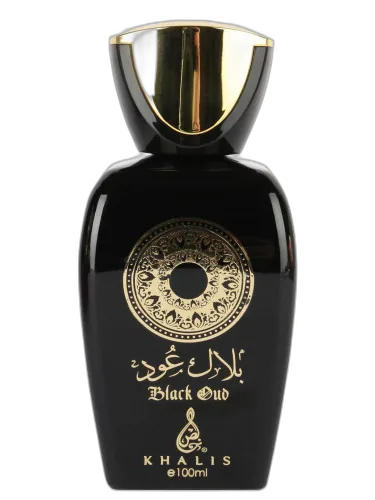
Khalis
Black Oud Khalis
Shared top notes: agarwood (oud), indian oud, laotian oud
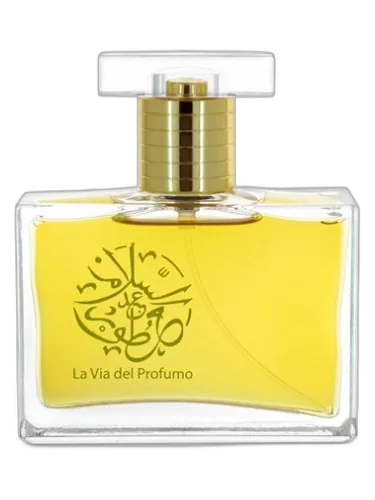
Abdes Salaam Attars Perfumes
Oud Beyond Abdes Salaam Attars Perfumes
Shared top notes: laotian oud, musk, thailand oud
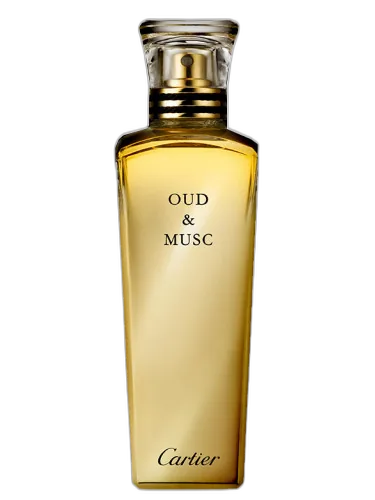
Cartier
Oud & Musc Cartier
Shared top notes: agarwood (oud), musk
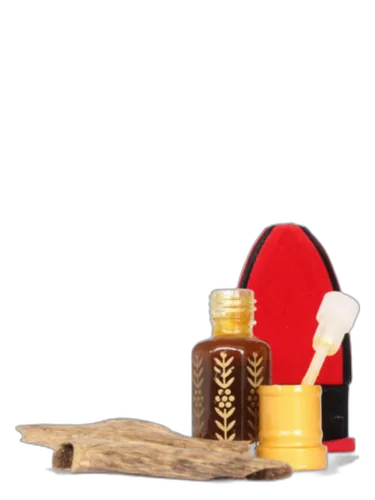
Scent Salim
Royal Blend Scent Salim
Shared top notes: indian oud, thailand oud

Touch Of Oud
Trat Touch Of Oud
Shared top notes: agarwood (oud), musk