
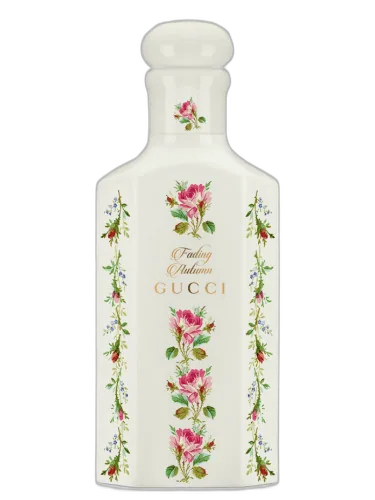

Fading Autumn Scented Water Gucci
At a glance
Is Fading Autumn Scented Water Gucci worth trying?
Fading Autumn Scented Water by Gucci is a Woody fragrance for women and men.
- Best match
- Casual wear in Fall
- Performance feel
- Moderate longevity with Moderate sillage
- Signature profile
- woody, earthy, patchouli with Cypriol Oil or Nagarmotha, Cedar, Sandalwood
The first impression
Fading Autumn Scented Water by Gucci is a Woody fragrance for women and men. Fading Autumn Scented Water was launched in 2019. The nose behind this fragrance is Alberto Morillas.
What shapes the scent
The perfumer behind it

Alberto Morillas
Alberto Morillas is a master perfumer based in Geneva, Switzerland, and a longtime collaborator with Firmenich. His style is known for refined, luminous compositions that balance natural elegance with modern clarity. He created the bold leather and spice of Amouage Opus VII - Reckless Leather, the fresh citrus depth of Acqua di Parma Colonia Intensa, and the woody warmth of Aedes de Venustas Palissandre D'or. His work has shaped contemporary perfumery across both niche and luxury houses.
Notes pyramid
All Notes
Complete scent profile
 Cypriol Oil or Nagarmotha
 Cedar
Cedar
 Sandalwood
 Patchouli
The mood it creates
The Fading Autumn Soul Archetype: Portrait of Fading Autumn Scented Water Gucci
Essence
This person is most closely aligned with the Melancholic Poet, an archetype that dwells in the liminal space between beauty and decay. They are drawn to the ephemeral-the fleeting moments that shimmer before vanishing, much like the scent of Fading Autumn itself, with its whispers of withered leaves, damp earth, and distant warmth. Their soul resonates with the bittersweet, finding poetry in impermanence.
Style & Aesthetic
Their aesthetic is one of controlled decadence-rich fabrics slightly frayed, dark hues with a single unexpected accent, like a rust-colored scarf or a single antique ring. They favor textures that evoke time’s passage: wool that softens with wear, leather that creases with memory. Their home is a curated museum of fragments-dried flowers under glass, half-burned candles, well-thumbed books with underlined passages.
In music, they are drawn to minor keys and unresolved harmonies-Chopin’s nocturnes, Nick Cave’s lamentations, the slow fade of a vinyl record’s final groove. They drink black tea with bergamot or aged whiskey, savoring the way bitterness lingers.
Philosophy & Values
To them, life is a series of elegies-each experience, each relationship, is already fading even as it blooms. They do not cling to permanence but instead find meaning in the act of letting go. Their philosophy is one of aesthetic surrender: they believe that the most profound truths are found in endings, not in resolutions. They may quote Rilke or Pessoa, finding solace in the idea that sorrow is not a flaw but a form of depth.
Yet this worldview is not without its contradictions. They preach detachment but secretly fear being forgotten. They romanticize decay but sometimes mistake stagnation for wisdom. Their love of transience can become a shield against commitment, a way to avoid the messiness of lasting bonds.
Relationships
They are not a solitary recluse but rather a reluctant connoisseur of intimacy. They attract others with their quiet intensity, their ability to make even casual conversations feel weighted with meaning. Yet they maintain an invisible distance, as if already preparing for the moment when the connection must dissolve.
Their closest bonds are with those who understand their need for both depth and detachment-fellow wanderers who appreciate silence as much as speech. Romantic partners may find themselves caught between admiration and frustration, drawn to their poetic soul but exhausted by their emotional elusiveness.
Shadow
The danger of the Melancholic Poet is that their reverence for endings can become a self-fulfilling prophecy. They may sabotage stability, mistaking it for banality. Their introspection can curdle into self-indulgence, their appreciation of sorrow into a refusal of joy.
At their worst, they are not a sage of impermanence but a prisoner of it-unable to fully inhabit the present because they are always mourning its eventual loss. Their challenge is to learn that depth does not require suffering, that beauty can be held without being crushed by the fear of its passing.
Conclusion
Fading Autumn is their scent because it captures the paradox they embody: the richness of decay, the warmth in the cooling air. They are neither cynic nor naive, but a watcher of thresholds, forever standing at the border between what was and what will be.
Their life is not one of despair, but of elegiac clarity-an understanding that to love something is also to release it. And perhaps, in that release, they find the closest thing to permanence they will allow themselves: the quiet certainty that some things are beautiful precisely because they do not last.
If you like this, try these
Fragrances with a comparable profile - shared accords, notes, and character.
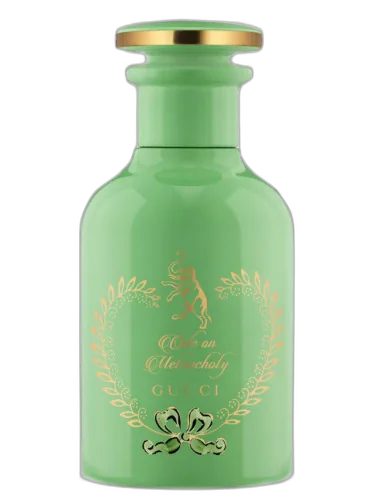
Gucci
Ode On Melancholy Perfume Oil Gucci
Shared top notes: cedar, cypriol oil or nagarmotha, patchouli
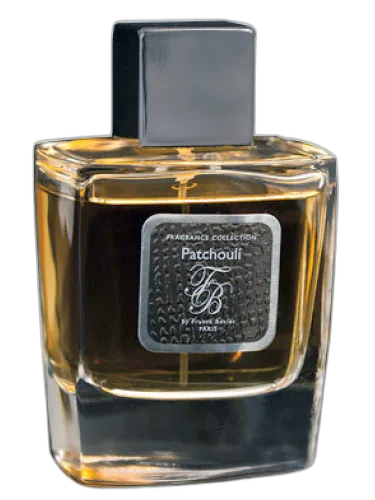
Franck Boclet
Patchouli Franck Boclet
Shared top notes: cedar, patchouli, sandalwood
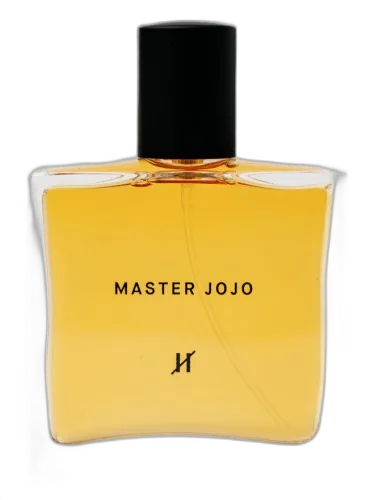
Handsome London
Master Jojo Handsome London
Shared top notes: patchouli, sandalwood
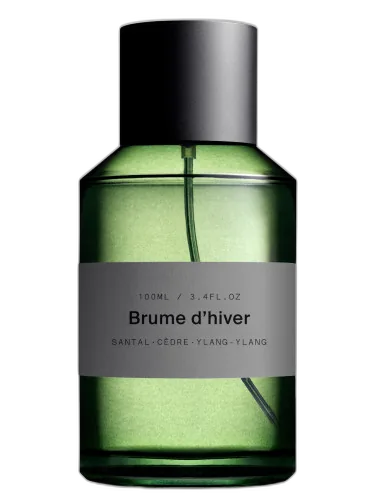
Marie Jeanne
Brume D'hiver Marie Jeanne
Shared top notes: cedar, patchouli, sandalwood
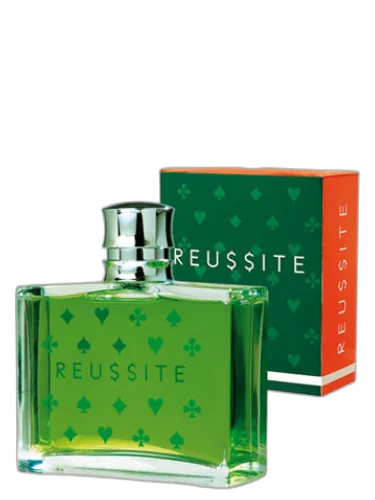
Frederic M
Reussite Frederic M
Shared top notes: cedar, patchouli, sandalwood