


Sauge Headspace Headspace
At a glance
Is Sauge Headspace Headspace worth trying?
Sauge Headspace by Headspace is a Aromatic Green fragrance for women and men.
- Best match
- Casual wear in Spring
- Performance feel
- Good longevity with Moderate sillage
- Signature profile
- aromatic, fresh spicy, woody with Clary Sage, Cumin, Geranium
The first impression
Sauge Headspace by Headspace is a Aromatic Green fragrance for women and men. The nose behind this fragrance is Caroline Dumur.
What shapes the scent
The perfumer behind it

Caroline Dumur
Caroline Dumur is a perfumer who has collaborated with a wide range of houses including Bastille Parfums, Boucheron, By Far, and Carolina Herrera. Her catalog includes Demain Promis Bastille Parfums, Boucheron Singulier Boucheron, and several Daydream fragrances for By Far. She demonstrates versatility across both niche and designer perfumery.
Notes pyramid
All Notes
Complete scent profile
 Clary Sage
 Cumin
Cumin
 Geranium
 Angelica
 Cypress
 Sandalwood
 Black Pepper
 Tonka Bean
 Cypriol Oil or Nagarmotha
Olibanum
Cypriol Oil or Nagarmotha
Olibanum
The mood it creates
The Sage Archetype: Portrait of Sauge Headspace Headspace
Essence
The one who favors Sauge Headspace is, at their core, a Sage-a seeker of wisdom, clarity, and transcendence. This fragrance, with its blend of sage, lavender, and mineral notes, evokes a mind that values introspection, intellectual depth, and a quiet but potent presence. The Sage does not shout; they observe, analyze, and distill meaning from the world. Their essence is one of calm authority, a person who navigates life with a measured, almost meditative precision.
Yet, like all archetypes, the Sage has a shadow-the Dogmatist, the knower who becomes so enamored with their own insights that they grow rigid, detached, or dismissive of what cannot be reasoned. The Sauge Headspace lover walks this fine line between enlightenment and intellectual arrogance, between wisdom and coldness.
Style & Aesthetic
Their taste is minimalist but intentional, favoring clean lines, muted tones, and textures that suggest refinement rather than excess. They might wear tailored linen, unadorned silver jewelry, or structured silhouettes that imply discipline. Their home is likely uncluttered, with carefully chosen objects-a well-worn book, a single piece of abstract art, a sprig of dried sage in a ceramic vase.
Their flaw here is sterility-an over-policing of aesthetics that can strip warmth from their surroundings. They may mistake austerity for virtue, forgetting that beauty sometimes thrives in mess.
They thrive on ritual-morning meditation, evening journaling, the precise preparation of tea. Their routines are sacred, not out of rigidity, but because they understand that structure creates freedom. They are drawn to practices that sharpen the mind: reading, debate, solitary walks in nature.
But when unbalanced, they can become isolated, mistaking solitude for superiority. They may withdraw into their own thoughts, dismissing those who do not meet their standards of depth.
Philosophy & Values
Their worldview is built upon clarity and discernment. They believe that truth is not found in blind emotion but in the careful examination of experience. They may be drawn to Stoicism, Zen Buddhism, or existential philosophy-systems that prize self-awareness and detachment from chaos. They value knowledge, but not for its own sake; they seek understanding that can be applied, refined, and lived.
Yet, their insistence on rationality can make them skeptical of raw passion, leading them to undervalue intuition or sentiment. They may dismiss what they cannot explain, mistaking mystery for ignorance.
Relationships
They are not the life of the party, but the one who lingers at the edges, engaged in deep conversation. They attract those who crave insight, who want to be seen and understood rather than merely entertained. Their friendships are few but profound, built on mutual respect for intellect and authenticity.
Yet, their shadow emerges in emotional distance. They may intellectualize feelings rather than feel them, offering analysis when someone seeks comfort. Their partners might accuse them of being "too in their head," of treating love like a puzzle to solve rather than a force to surrender to.
Shadow
The Sage’s greatest danger is hubris-the belief that wisdom makes them above the fray of human folly. They must learn that true understanding includes embracing the irrational, the messy, the unresolved. The Sauge Headspace they love is not just clarity, but the tension between clarity and mystery.
To evolve, they must allow themselves to be wrong, to feel without dissecting, to love without needing to define it. Only then does the Sage become not just a thinker, but a fully realized human.
If you like this, try these
Fragrances with a comparable profile - shared accords, notes, and character.

Beautydrugs
Santal Azur Beautydrugs
Shared top notes: black pepper
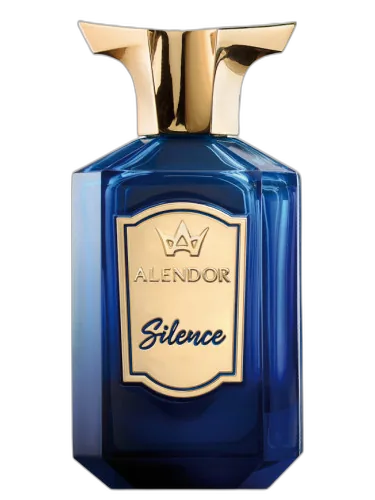
Alendor Perfumes
Silence Alendor Perfumes
Shared top notes: black pepper, tonka bean
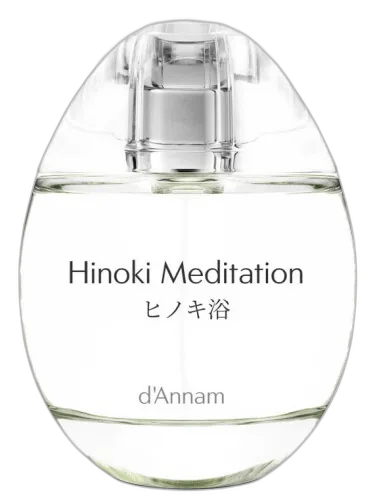
d'Annam
Hinoki Meditation D'annam
Shared top notes: cypress, sandalwood

Mona di Orio
Dõjima Mona Di Orio
Shared top notes: clary sage, sandalwood
Lush
Yoga Bomb Lush
Shared top notes: olibanum, sandalwood