
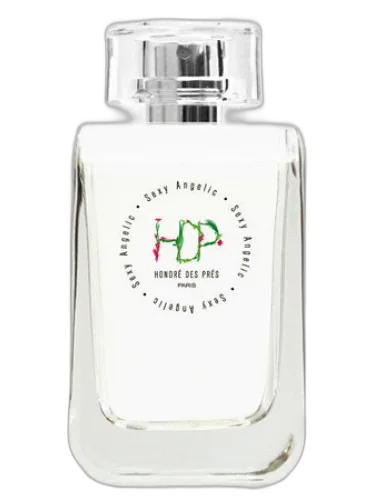
Sexy Angelic Honore Des Pres
At a glance
Is Sexy Angelic Honore Des Pres worth trying?
Sexy Angelic by Honore des Pres is a Oriental Vanilla fragrance for women.
- Best match
- Evening wear in Winter
- Performance feel
- Good longevity with Moderate sillage
- Signature profile
- sweet, musky, almond with Almond, Angelica, Hemlock
The first impression
Sexy Angelic by Honore des Pres is a Oriental Vanilla fragrance for women. Sexy Angelic was launched in 2008. The nose behind this fragrance is Olivia Giacobetti. Top note is Almond; middle notes are Angelica and Hemlock; base notes are Marzipan and Sweet Notes.
What shapes the scent
The perfumer behind it

Olivia Giacobetti
Olivia Giacobetti is a renowned perfumer whose work includes fragrances for Diptyque, Costes, and Cinq Mondes. Her creations, such as Ofresia and Costes, are known for their minimalist elegance and use of natural ingredients. Giacobetti's style often emphasizes transparency and subtlety, making her a respected figure in contemporary perfumery.
Notes pyramid
Top Notes
First impression · 15-30 min
 Almond
Heart Notes
Core character · 2-4 hours
 Angelica
 Hemlock
Base Notes
Lasting impression · 4+ hours
 Marzipan
 Sweet Notes
The mood it creates
The Lover Archetype: Portrait of Sexy Angelic Honore Des Pres
Essence
The person who cherishes Sexy Angelic by Honoré des Prés is one who thrives in the tension between opposites-sensuality and innocence, earthly pleasure and ethereal idealism. This fragrance, with its blend of vanilla, coconut, and rum, wrapped in a halo of white musk, mirrors their essence: a being who is at once grounded in the body yet yearning for transcendence. They embody the Lover archetype, not in its most carnal form, but in its most refined-a seeker of beauty, connection, and meaning through the senses.
Style & Aesthetic
Their tastes are an alchemy of contrasts. They might wear flowing linen dresses or tailored silk shirts, garments that suggest both effortlessness and precision. Their home is a sanctuary of curated chaos-antique books stacked beside modern sculptures, a vase of wildflowers on a polished marble table. They are drawn to art that evokes emotion rather than intellect, favoring the dreamlike brushstrokes of the Symbolists or the raw sensuality of Fauvism.
Music is not merely sound to them but an invocation. They might lose themselves in the lush orchestrations of Debussy or the hypnotic rhythms of electronic ambient music, anything that dissolves boundaries between self and sensation. Their philosophy is not one of rigid doctrine but of aesthetic hedonism-they believe life should be felt deeply, tasted fully, and that beauty is its own justification.
Shadow
Yet, the Lover’s shadow is one of disillusionment. Their devotion to beauty can slip into a refusal to accept imperfection. They may discard relationships when the initial intensity fades, mistaking the inevitable settling of passion for failure. Their idealism can make them impatient with the mundane, leading to a restless dissatisfaction-always chasing the next sublime experience, the next intoxicating connection.
There is also a vulnerability to seduction in its many forms. Not merely romantic, but the seduction of ideas, of substances, of self-destructive intensities. They may flirt with excess-too much wine, too many lovers, too many late nights chasing a feeling that always seems just out of reach. Their challenge is to learn that depth is not only found in ecstasy, but also in the quiet, the ordinary, the unglamorous.
Conclusion
Their greatest strength lies in their ability to enchant. They draw people in effortlessly, not through calculated charm but through an authentic magnetism. Conversations with them feel like revelations; they listen with an intensity that makes others feel truly seen. They are the kind of person who remembers the way you take your coffee, the book you mentioned in passing, the way your voice softens when you speak of childhood.
In relationships, they are passionate but not possessive. They love with a generosity that is rare, offering warmth without suffocation. They believe in love as an expansive force, not a contract of ownership. Their romantic partners are often artists, thinkers, or wanderers-people who, like them, refuse to be confined by convention.
If you like this, try these
Fragrances with a comparable profile - shared accords, notes, and character.
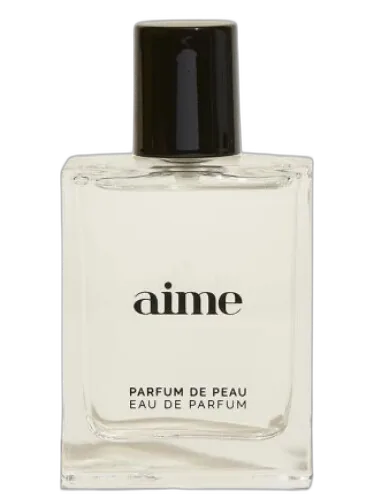
Aime
Parfum De Peau Aime
Shared top notes: almond
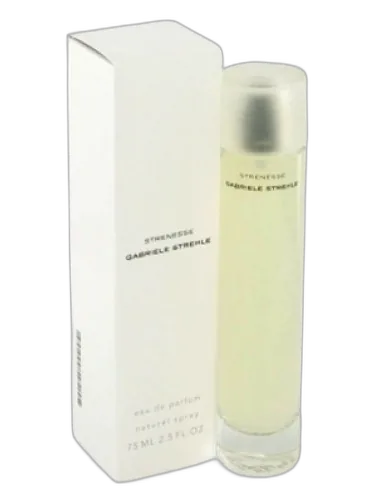
Strenesse
Strenesse Strenesse
Shared top notes: almond

Carolina Herrera
Good Girl Gold Fantasy Carolina Herrera
Shared top notes: almond
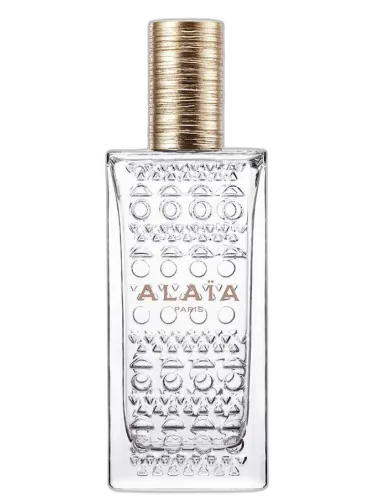
Alaia Paris
Alaïa Eau De Parfum Blanche Alaia Paris
Shared top notes: almond

Montale
Amandes Orientales Montale
Shared top notes: almond