

Albatross House Of Matriarch
At a glance
Is Albatross House Of Matriarch worth trying?
Albatross by House of Matriarch is a Aromatic Aquatic fragrance for women and men.
- Best match
- Casual wear in Summer
- Performance feel
- Good longevity with Moderate sillage
- Signature profile
- woody, marine, aromatic with Sea Notes, Driftwood, Cork
The first impression
Albatross by House of Matriarch is a Aromatic Aquatic fragrance for women and men. Albatross was launched in 2015. The nose behind this fragrance is Christi Meshell.
What shapes the scent
The perfumer behind it

Christi Meshell
Christi Meshell is the founder and perfumer of House of Matriarch, a niche fragrance house based in the Pacific Northwest. Her extensive catalog includes A World Of Blue, Albatross, Alpha, Amanita, Amberchris, Ambre Vie, and Antimony. Her scents are known for their natural and organic ingredients, often inspired by the landscapes of the region.
Notes pyramid
All Notes
Complete scent profile
 Sea Notes
 Driftwood
 Cork
Cork
 Cottonwood (Poplar)
The mood it creates
The Sage Archetype: Portrait of Albatross House Of Matriarch
Essence
To wear Albatross by House of Matriarch is to embrace an olfactory paradox-a fragrance that is at once ethereal and grounding, oceanic yet introspective. The person who chooses this scent is not merely drawn to its notes of salt, driftwood, and ambergris; they are called by its symbolism-the albatross, a solitary wanderer of vast horizons, both burdened and exalted by its freedom. This individual is most closely aligned with the Sage archetype, the seeker of wisdom, the observer who stands apart to understand the world more deeply.
Style & Aesthetic
Their aesthetic is understated yet deliberate-a reflection of their inner world. They favor natural textures: linen, raw silk, unpolished wood. Their wardrobe is minimal but meaningful, each piece chosen for its quiet resonance rather than trend. They might wear a single piece of jewelry-a worn silver ring, a smooth stone pendant-something that carries personal history rather than ornamentation for its own sake.
In their home, the air is clean, the space uncluttered. Books line the shelves, not as trophies but as companions. There is always a window open, a reminder of the vastness beyond. They are drawn to art that evokes solitude-a Hiroshi Sugimoto seascape, a Mark Rothko color field-works that invite contemplation rather than declaration.
They rise early, drawn to the quiet hours when the world is still half-dreaming. Their mornings are ritualistic-black coffee, a few pages of philosophy or poetry, a walk along the shore if they are near one. They move through life at their own pace, resisting the frenzy of modernity. Work is not merely a means to an end but an extension of their values; they might be a writer, a researcher, a conservationist, or a teacher-any vocation that allows them to explore, preserve, or transmit knowledge.
Yet their self-sufficiency can harden into isolation. They may disdain those who live more conventionally, forgetting that wisdom without compassion is merely cleverness. Their greatest challenge is to step out of the observer’s role and engage fully-not just with ideas, but with people, with the unpredictable currents of life.
Philosophy & Values
Their mind is a vessel of contemplation, always navigating between the seen and the unseen. They value knowledge not for its utility but for its own sake, pursuing truths that others might dismiss as abstract or impractical. Like Nietzsche’s "free spirit," they resist dogma, preferring to question rather than accept. Their philosophy is fluid, shaped by experience rather than rigid ideology. They might be drawn to Stoicism, existentialism, or Zen-not as doctrines to follow, but as lenses through which to refine their own understanding.
Yet this relentless pursuit of wisdom can become its own kind of prison. The Sage’s shadow emerges when their love of knowledge turns into detachment, when they observe life rather than live it. They may grow skeptical of emotion, mistaking feeling for weakness, and in doing so, distance themselves from the very humanity they seek to understand.
Relationships
They are not a recluse, but neither are they a socialite. Their relationships are few but profound, built on mutual depth rather than convenience. They attract those who seek wisdom or quiet strength, but they may struggle with intimacy, fearing that vulnerability will disrupt their equilibrium. Their love is patient but guarded; they give their trust slowly, and once given, it is unshakable.
Their shadow here is a tendency to intellectualize emotion, to dissect love and friendship as if they were ideas rather than lived experiences. They may withdraw when confronted with raw feeling, retreating into analysis as a defense against the messiness of human connection.
Conclusion
The Sage is both illuminated and burdened by their nature. They see clearly, but clarity can be cold. They understand much, yet understanding alone does not fulfill. Their task is not merely to know but to integrate-to let wisdom soften into humility, to allow thought to be tempered by feeling.
The albatross soars but must eventually descend. The one who wears its scent is called to do the same-to touch the earth as well as the sky.
If you like this, try these
Fragrances with a comparable profile - shared accords, notes, and character.

Sukimuki
No. 19 Sukimuki
Shared top notes: sea notes

Kenzo
Kenzo Homme Santal Marin Kenzo
Shared top notes: sea notes

Hugo Boss
The Collection Enigmatic Saffiano Hugo Boss
Shared accords: aquatic, aromatic, marine
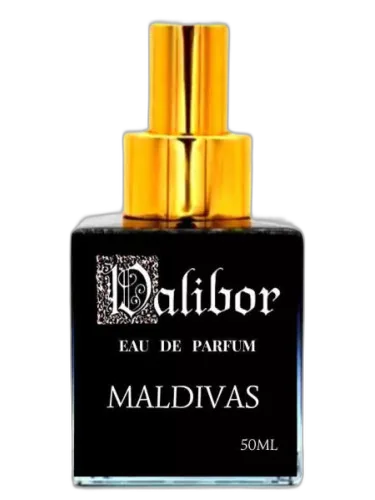
Dalibor Parfums
Maldivas Dalibor Parfums
Shared top notes: sea notes
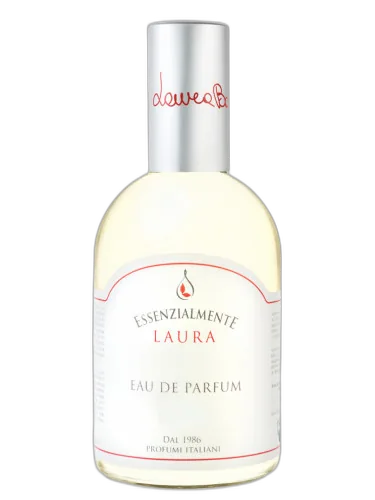
Essenzialmente Laura
Mare Essenzialmente Laura
Shared top notes: sea notes