
Bugia I Profumi Del Marmo
At a glance
Is Bugia I Profumi Del Marmo worth trying?
Bugia by I Profumi Del Marmo is a fragrance for women and men.
- Best match
- Evening, Special Occasion wear in Fall, Winter
- Performance feel
- Very Good longevity with Strong sillage
- Signature profile
- amber, citrus, woody with Lime, Orange, Mandarin Orange
The first impression
Bugia by I Profumi Del Marmo is a fragrance for women and men. Bugia was launched in 2018. The nose behind this fragrance is Arturetto Landi. Top notes are Lime, Orange, Mandarin Orange, Bergamot, Red Pepper, Strawberry, Raspberry, Nutmeg, Coriander and Cinnamon; middle notes are Jasmine, Geranium, Rose, Iris, Orchid, Lavender and Osmanthus; base notes are Ambergris, Civet, Benzoin, White Musk, Patchouli, Vetiver, Leather, Vanilla, Tonka Bean, Sandalwood, Honey, Cedar and Incense.
What shapes the scent
The perfumer behind it

Arturetto Landi
Arturetto Landi is an Italian perfumer known for his work with brands like Adjiumi and Al-Jazeera Perfumes. His style balances classic structure with bold contrasts, often blending rich resins with unexpected floral or gourmand notes. Notable creations include the complex 1918 Parfum National series and the intense, darkly sweet Adjiumi Incubo.
Notes pyramid
Top Notes
First impression · 15-30 min
 Lime
Lime
 Orange
 Mandarin Orange
 Bergamot
 Red Pepper
 Strawberry
 Raspberry
 Nutmeg
 Coriander
 Cinnamon
Heart Notes
Core character · 2-4 hours
 Jasmine
 Geranium
 Rose
Rose
 Iris
Iris
 Orchid
 Lavender
 Osmanthus
Base Notes
Lasting impression · 4+ hours
 Ambergris
 Civet
Civet
 Benzoin
White Musk
Benzoin
White Musk
 Patchouli
 Vetiver
 Leather
 Vanilla
 Tonka Bean
 Sandalwood
 Honey
Honey
 Cedar
Cedar
 Incense
The mood it creates
The Lover Archetype: Portrait of Bugia I Profumi Del Marmo
Essence
To wear Bugia I Profumi Del Marmo is to embrace a paradox-a fragrance that is both warm and elusive, blending amber, vanilla, and spices with an undercurrent of something darker, almost mystical. The person who chooses this scent is drawn to transformation, to the alchemy of experience. They are not content with the superficial; they seek depth in sensation, meaning in the ephemeral. Their archetype is the Alchemist-the one who turns the mundane into gold, who seeks hidden truths beneath the surface of life.
Shadow
Yet, like all who seek transformation, they risk becoming lost in their own experiments. Their pursuit of depth can tip into obsession; their love of beauty can become a refusal to face ugliness. They may grow impatient with those who do not share their intensity, dismissing simpler joys as trivial. At their worst, they are prone to melancholy, feeling the weight of all they cannot preserve-the fading of a scent, the passing of a moment.
Their relationships may suffer from their idealism. They crave connections that feel fated, and when reality falls short, they withdraw. They are not cruel, but they can be elusive, disappearing into their own world when the outer one disappoints. Their greatest fear is stagnation, and so they may flee before anything-or anyone-can pin them down.
Conclusion
This individual moves through life with a quiet intensity, treating existence as an experiment in refinement. They are not merely sensualists but philosophers of sensation, believing that beauty and pleasure are paths to understanding. Their taste leans toward the opulent yet restrained-antique brass, deep velvet, handwritten letters, the flicker of candlelight. They are drawn to art that suggests rather than declares, to music that lingers in the mind like an unresolved chord.
Their philosophy is one of synthesis: they believe in the marriage of opposites, in the necessity of shadow to appreciate light. They might quote Rilke or Pessoa in conversation, not to impress but because these voices resonate with their own fragmented, searching soul. They value authenticity but are not naive-they know that even authenticity can be a carefully crafted illusion.
If you like this, try these
Fragrances with a comparable profile - shared accords, notes, and character.
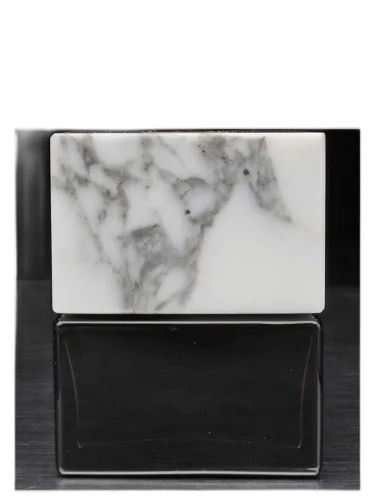
I Profumi Del Marmo
Fantastico I Profumi Del Marmo
Shared top notes: bergamot, cinnamon, coriander
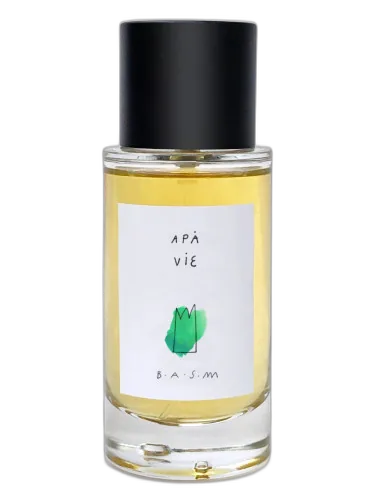
B.A.S.M. by Createur 5 D’Emotions
Apă Vie (holy Water) B.a.s.m. By Createur 5 D’emotions
Shared top notes: bergamot, lime, mandarin orange
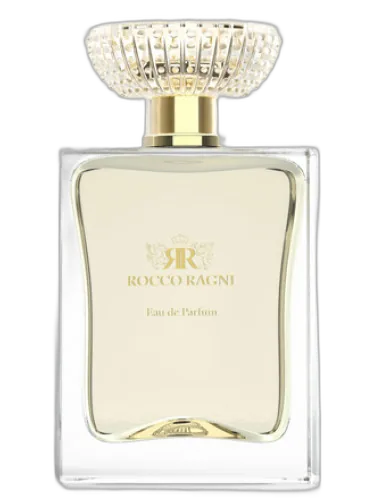
Rocco Ragni
Cashmere Orchid Rocco Ragni
Shared top notes: bergamot, cinnamon, strawberry
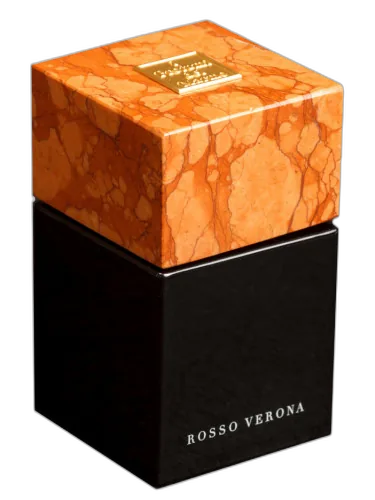
I Profumi Del Marmo
Rosso Verona I Profumi Del Marmo
Shared top notes: cinnamon, raspberry, red pepper
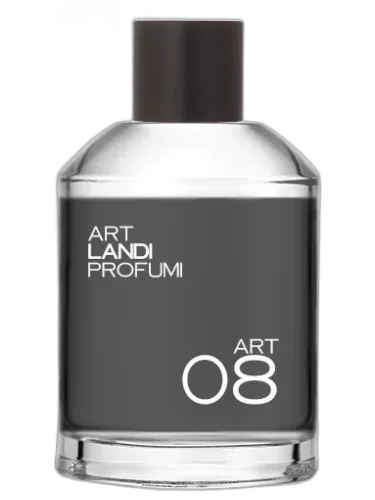
Profumi d'Art (Art Landi Profumi)
Art 08 Muschio Di Liatride Profumi D'art (art Landi Profumi)
Shared top notes: bergamot, cinnamon, strawberry