
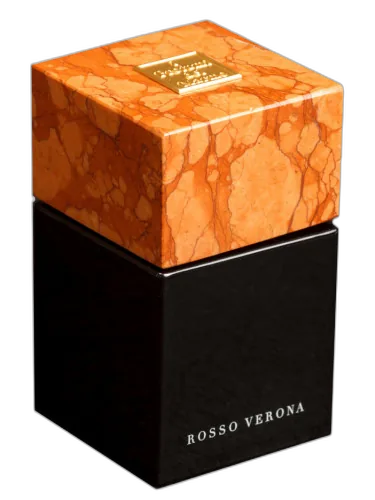
Rosso Verona I Profumi Del Marmo
At a glance
Is Rosso Verona I Profumi Del Marmo worth trying?
Rosso Verona by I Profumi Del Marmo is a fragrance for women and men.
- Best match
- Evening, Special Occasion wear in Fall, Winter
- Performance feel
- Very Good longevity with Strong sillage
- Signature profile
- woody, warm spicy, amber with Fir, Black Pepper, Red Pepper
The first impression
Rosso Verona by I Profumi Del Marmo is a fragrance for women and men. Rosso Verona was launched in 2018. The nose behind this fragrance is Arturetto Landi. Top notes are Fir, Black Pepper, Red Pepper, Green Notes, Plum, Saffron, Raspberry and Cinnamon; middle notes are Rose, Iris, Jasmine, Tuberose and Osmanthus; base notes are Vetiver, Incense, Leather, Cypriol Oil or Nagarmotha, Ambergris, Cedar, Sandalwood, Civet, Patchouli and White Musk.
What shapes the scent
The perfumer behind it

Arturetto Landi
Arturetto Landi is an Italian perfumer known for his work with brands like Adjiumi and Al-Jazeera Perfumes. His style balances classic structure with bold contrasts, often blending rich resins with unexpected floral or gourmand notes. Notable creations include the complex 1918 Parfum National series and the intense, darkly sweet Adjiumi Incubo.
Notes pyramid
Top Notes
First impression · 15-30 min
 Fir
Fir
 Black Pepper
Red Pepper
Black Pepper
Red Pepper
 Green Notes
 Plum
Plum
 Saffron
 Raspberry
 Cinnamon
Heart Notes
Core character · 2-4 hours
 Rose
Rose
 Iris
Iris
 Jasmine
 Tuberose
 Osmanthus
Base Notes
Lasting impression · 4+ hours
 Vetiver
 Incense
 Leather
 Cypriol Oil or Nagarmotha
 Ambergris
 Cedar
Cedar
 Sandalwood
 Civet
Civet
 Patchouli
White Musk
Patchouli
White Musk
The mood it creates
The Lover Archetype: Portrait of Rosso Verona I Profumi Del Marmo
Essence
The person who adores Rosso Verona I Profumi Del Marmo is most closely aligned with The Lover archetype-not in the trivial sense of romantic pursuit, but in the Jungian sense of one who seeks deep connection, beauty, and sensory transcendence. This fragrance, with its rich blend of citrus, spices, and warm woods, mirrors their essence: vibrant yet grounded, fiery yet refined. The Lover is intoxicated by life’s pleasures but also by its deeper meanings-they do not merely consume beauty; they commune with it.
Yet, like all archetypes, The Lover has a shadow. Their pursuit of intensity can tip into indulgence, their passion into possessiveness, their idealism into disillusionment. They walk the line between ecstasy and excess, between devotion and dependency.
Relationships
They do not collect people; they cultivate bonds. Their friendships are few but profound, their romantic relationships intense and all-consuming. They are the kind of lover who writes letters by candlelight, who remembers anniversaries not out of obligation but because they need to mark the passage of time with ritual.
Yet here lies the shadow: their hunger for depth can become a demand. They may mistake intensity for intimacy, conflating passion with permanence. When a relationship fades-as all things must-they suffer not from loss but from the betrayal of their own idealism. Their greatest fear is not abandonment but indifference.
Shadow
The Lover’s brilliance is also their vulnerability. Their capacity for joy is matched only by their susceptibility to despair. When their world lacks beauty, they wither; when love is unreciprocated, they rage. They may cling too tightly, love too fiercely, or resent those who cannot match their fervor.
At their worst, they become the Tragic Romantic-a figure who mistakes suffering for depth, who confuses obsession with devotion. They must learn that not all love is eternal, and not all beauty must be possessed to be cherished.
Conclusion
Their tastes are unapologetically sensual. They favor textures that beg to be touched-cashmere, aged leather, the roughness of handmade paper. Their home is a carefully curated sanctuary: a Renaissance painting beside a modernist lamp, a Persian rug on hardwood floors, a wine glass always half-full. They do not merely decorate; they compose an atmosphere, an extension of their inner world.
In philosophy, they are neither strict hedonists nor ascetics but something in between-a believer in carpe diem tempered by an awareness of life’s fleeting nature. They do not fear mortality; rather, it sharpens their appreciation for the present. "To love a thing is to know it will end," they might say, "but that is why we must love it fiercely while it lasts."
If you like this, try these
Fragrances with a comparable profile - shared accords, notes, and character.

B.A.S.M. by Createur 5 D’Emotions
Buzduganul Fermecat (enchanted Mace) B.a.s.m. By Createur 5 D’emotions
Shared top notes: black pepper, cinnamon, saffron
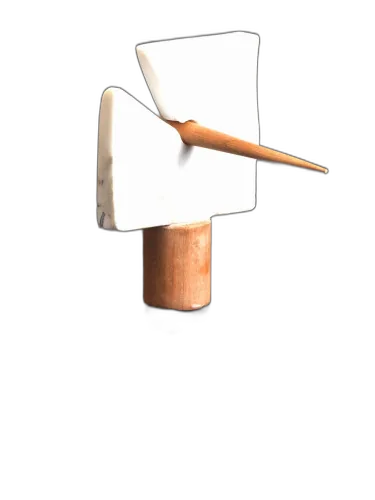
I Profumi Del Marmo
Bugia I Profumi Del Marmo
Shared top notes: cinnamon, raspberry, red pepper
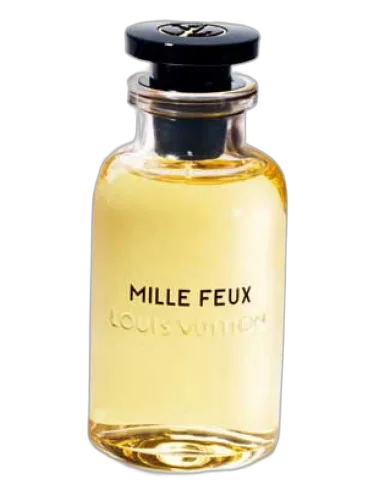
Louis Vuitton
Mille Feux Louis Vuitton
Shared top notes: raspberry
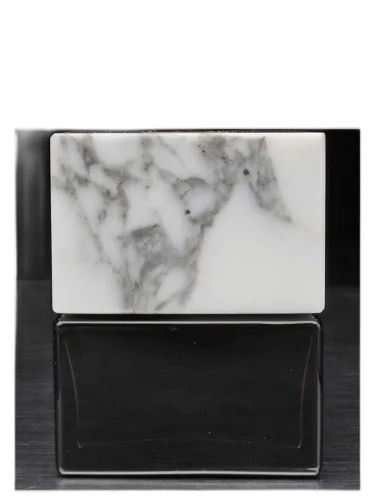
I Profumi Del Marmo
Fantastico I Profumi Del Marmo
Shared top notes: cinnamon, raspberry
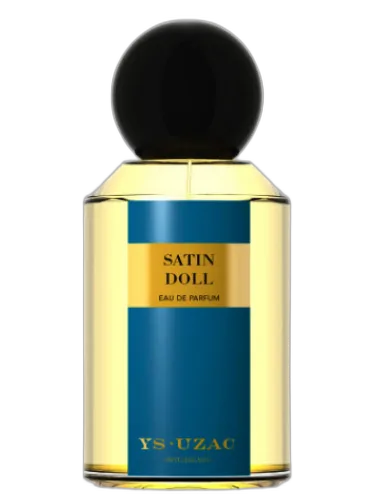
Ys-Uzac
Satin Doll Ys-uzac
Shared top notes: black pepper