


Continuum Ikiryō
Fragrance Story
Continuum by Ikiryō is a fragrance for women and men. Continuum was launched in 2016. The nose behind this fragrance is Vincent of Dreamhouse.
Composition Profile
About the Perfumer

Vincent of Dreamhouse
Vincent of Dreamhouse is the creative force behind the Ikiryō line, crafting evocative scents such as Ame Torturée, Applerum And Jasmine, and Blood Cherry Cordial. His work explores a range of moods, from the playful Damn Hippie to the mysterious De Mauvais Augure. Each fragrance reflects a distinct narrative, blending unexpected notes into cohesive olfactory stories.
Fragrance Notes
All Notes
Complete scent profile
 Passion Flower
 Peru Balsam
 Incense
 Coriander
 Castoreum
 Nutmeg
 Rhubarb
 Labdanum
 Cedar
Cedar
 Creme Brulee
 Sandalwood
 Heliotrope
Continuum Ikiryō by Ikiryō offers a distinctive olfactory experience that stands out from other fragrances in its category.
Crafted with the finest ingredients and a blend of traditional and modern perfumery techniques, this fragrance represents the pinnacle of the perfumer's art.
Continuum Ikiryō embodies the distinctive style of Ikiryō while adding a unique chapter to their fragrance portfolio.
Character Profile
The Lover Archetype: Portrait of Continuum Ikiryō
Essence
To wear Continuum Ikiryō is to embrace the ephemeral-an olfactory dance of incense, oud, and something almost spectral, like the lingering presence of a soul untethered from the body. This fragrance is not for those who seek comfort in the obvious; it is for those who dwell in the liminal spaces, who find beauty in the unseen. The person who chooses this scent is, above all, a Mystic-one who seeks meaning beyond the material, who listens to whispers where others hear only silence.
The Mystic is drawn to the ineffable, to the spaces between waking and dreaming, between life and death. They are not content with surface explanations; they crave depth, symbolism, the hidden threads that weave reality together. Their philosophy is one of transcendence, a belief that the world as it appears is only a veil over something far more profound.
They move through life with a quiet intensity, often seeming detached from mundane concerns. Their taste in art, music, and literature leans toward the enigmatic-dark ambient soundscapes, surrealist paintings, poetry that speaks in riddles. Their personal style is understated yet deliberate, favoring textures that suggest age and mystery: worn leather, raw silk, the faintest trace of antique silver. They do not dress to impress but to evoke-to signal, subtly, that they belong to a different order of perception.
Shadow
Yet the Mystic’s depth comes at a cost. Their preoccupation with the unseen can lead to disconnection from the tangible world. They may struggle with melancholy, a sense of being out of place in a society that values the immediate and the quantifiable. Their search for meaning can become a form of escapism, a refusal to engage with the mundane responsibilities of life.
In relationships, their intensity can be overwhelming. They may withdraw when others demand simplicity, leaving loved ones feeling shut out. Their disdain for superficiality can harden into cynicism, a belief that nothing in the material world is worth their full presence.
At their worst, they risk becoming ghosts in their own lives-so absorbed in the metaphysical that they neglect the physical, the human, the now.
Conclusion
The Mystic’s greatest strength is their intuitive wisdom. They perceive patterns others miss, sensing the undercurrents of emotion and intention in every interaction. They are not easily fooled by appearances; they see through facades, which makes them both profound companions and unsettling presences.
In relationships, they seek soulful connection-not mere companionship, but a meeting of minds and spirits. They are drawn to those who, like them, question the nature of existence, who are unafraid of darkness. Their love is deep but not possessive; they understand that true connection transcends ownership.
Their lifestyle is often unconventional. They may live in solitude, or in small, carefully chosen circles. They are not materialistic, but they surround themselves with objects that carry meaning-an old book with marginalia, a fragment of a relic, a piece of music that feels like a key to another world.
Similar Fragrances
Fragrances with a comparable profile - shared accords, notes, and character.
Ikiryō
Continuum Ikiryō
Shared accords: amber, aromatic, balsamic

UNTAMED
Dancing In The Flames Untamed
Shared accords: amber, aromatic, balsamic

House of Matriarch
The Red Room House Of Matriarch
Shared accords: amber, aromatic, balsamic

Tuberosa Louca
Transfusão Tuberosa Louca
Shared accords: amber, aromatic, balsamic
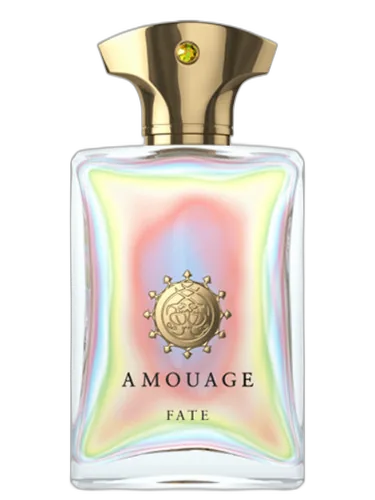
Amouage
Fate Man Amouage
Shared accords: amber, aromatic, balsamic