
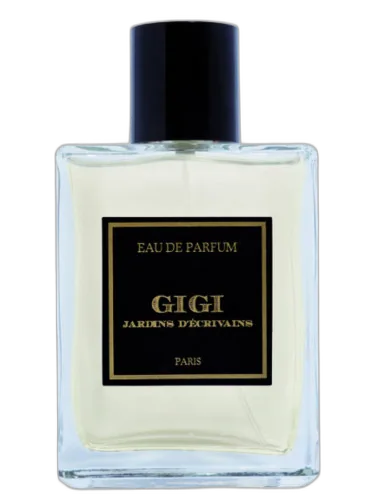

Gigi Jardins D’ecrivains
Fragrance Story
Gigi by Jardins d’Ecrivains is a Floral Woody Musk fragrance for women. Gigi was launched in 2013. The nose behind this fragrance is Anais Biguine. Top notes are Orange Blossom and Neroli; middle notes are Tuberose, Jasmine and Black Currant; base notes are White Musk and Sandalwood.
Composition Profile
About the Perfumer

Anais Biguine
Anais Biguine is a French perfumer known for her work with independent niche houses such as Chapel Factory, Gri Gri Parfums, and Jardins d’Ecrivains. Her style often blends raw, smoky, or incense-like accords with unexpected gourmand or floral touches, as seen in creations like Chapel Factory’s Baptisma and Gri Gri Parfums’ Moko Maori. She is recognized for crafting evocative, narrative-driven scents that balance darkness with subtle sweetness.
Fragrance Notes
Top Notes
First impression · 15-30 min
 Orange Blossom
 Neroli
Heart Notes
Core character · 2-4 hours
 Tuberose
 Jasmine
 Black Currant
Base Notes
Lasting impression · 4+ hours
 White Musk
 Sandalwood
Character Profile
The Lover Archetype: Portrait of Gigi Jardins D’ecrivains
Essence
The one who favors Gigi Jardins D’ecrivains is, above all, a seeker of meaning-a modern sage wrapped in the scent of ink, paper, and green whispers. This fragrance, with its literary inspiration and crisp, vegetal elegance, speaks to a mind that dwells in the liminal space between thought and sensation. The Sage archetype fits them perfectly, for they are drawn to wisdom, introspection, and the quiet power of language. Yet, like all sages, they risk becoming lost in their own labyrinth of ideas, detached from the visceral pulse of life.
Shadow
Yet the Sage’s greatest strength is also their weakness: the mind can become a prison. They may retreat into abstraction, using thought as a shield against the unpredictability of life. When faced with conflict, they dissect rather than feel; when passion flares, they intellectualize rather than surrender. This can leave them stranded in a world of their own making, where reality is always one step removed, filtered through layers of interpretation.
Their love of subtlety can tip into indecision, their appreciation for nuance into paralysis. They may disdain what they see as vulgar or obvious, forgetting that life sometimes demands simplicity, even crudeness. The scent they wear-green, poetic, elusive-mirrors this tension: it is beautiful, but does it ever fully surrender to the senses? Or does it remain, like its wearer, always slightly out of reach?
Conclusion
Their tastes are refined but never ostentatious. They prefer the weight of a well-bound book to the glare of a screen, the texture of linen to synthetic sheen. Their home is a sanctuary of order and contemplation-shelves lined with philosophy, poetry, and obscure novels, a desk where pens and notebooks lie in precise disarray. They drink tea slowly, savoring the ritual as much as the taste, and their wardrobe leans toward muted tones, as if they fear distracting the world from what truly matters: thought.
They are drawn to art that demands interpretation-films with ambiguous endings, paintings that refuse to explain themselves, music that lingers like an unresolved question. Their philosophy is one of quiet resistance against the noise of modernity; they believe in depth over speed, in nuance over dogma. Yet this very devotion to subtlety can become its own kind of dogma, a reluctance to embrace the raw and unrefined.
Similar Fragrances
Fragrances with a comparable profile - shared accords, notes, and character.

Salvador Dali
Voyage Onirique Du Papillon De Vie Salvador Dali
Shared accords: animalic, citrus, tuberose
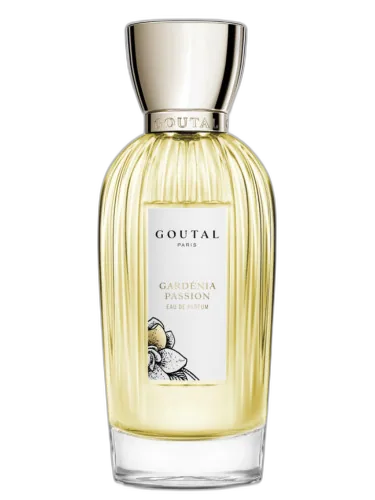
Goutal
Gardenia Passion Goutal
Shared accords: animalic, tuberose, white floral

Jamal Perfumers London
Scent 642 Jamal Perfumers London
Shared accords: animalic, citrus, tuberose
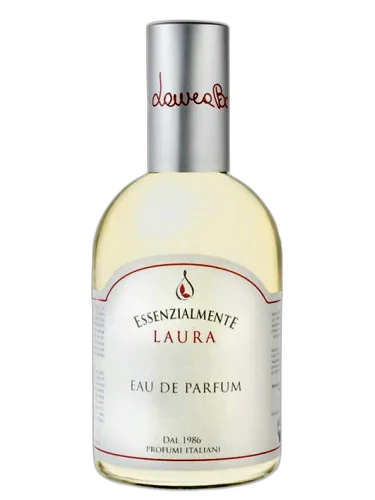
Essenzialmente Laura
Core 'ngrato Essenzialmente Laura
Shared accords: animalic, citrus, tuberose

Robert Piguet
Fracas Eau Fraîche Robert Piguet
Shared accords: animalic, citrus, tuberose