
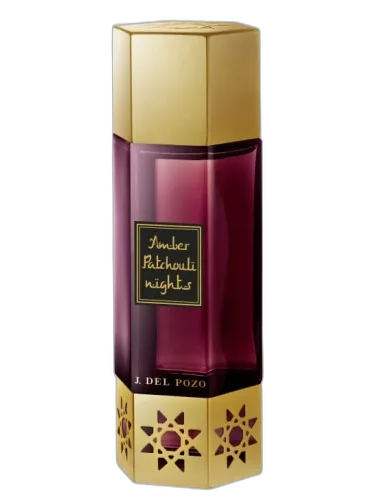

Amber Patchouli Nights Jesus Del Pozo
At a glance
Is Amber Patchouli Nights Jesus Del Pozo worth trying?
Amber Patchouli Nights by Jesus Del Pozo is a Chypre Floral fragrance for women.
- Best match
- Evening wear in Fall
- Performance feel
- Very Good longevity with Strong sillage
- Signature profile
- white floral, patchouli, woody with Peach Blossom, Magnolia, Pomegranate
The first impression
Amber Patchouli Nights by Jesus Del Pozo is a Chypre Floral fragrance for women. Amber Patchouli Nights was launched in 2018. The nose behind this fragrance is Andreas Wilhelm. Top notes are Peach Blossom, Magnolia, Pomegranate and Bergamot; middle notes are Tuberose, Jasmine, Orange Blossom and Rose Leaf; base notes are Patchouli, Amber, Musk and Guaiac Wood.
What shapes the scent
The perfumer behind it

Andreas Wilhelm
Andreas Wilhelm is a perfumer known for his work with independent and niche fragrance houses. His style often balances bold, contrasting elements with refined clarity, as seen in the structured compositions of the Favorit & Co series and the intense presence of Gisada Ambassador Men. He creates scents that feel both modern and grounded, favoring clean lines and unexpected material pairings.
Notes pyramid
Top Notes
First impression · 15-30 min
 Peach Blossom
 Magnolia
 Pomegranate
 Bergamot
Heart Notes
Core character · 2-4 hours
 Tuberose
 Jasmine
 Orange Blossom
 Rose Leaf
Base Notes
Lasting impression · 4+ hours
 Patchouli
 Amber
Amber
 Musk
Musk
 Guaiac Wood
The mood it creates
The Wanderer Archetype: Portrait of Amber Patchouli Nights Jesus Del Pozo
Essence
This person is most closely aligned with the Sage archetype-the seeker of wisdom, the interpreter of hidden truths, the one who moves through life with quiet intensity. The fragrance Amber Patchouli Nights by Jesus Del Pozo is a scent of depth, warmth, and mystery, much like the Sage themselves. It is earthy yet ethereal, grounding yet transcendent-qualities that mirror their dual nature. They are drawn to the unseen, the symbolic, the layers beneath the surface.
Style & Aesthetic
Their aesthetic is one of controlled decadence-rich textures, deep hues, and an air of timelessness. They favor dark, layered fabrics: velvet, aged leather, wool that carries the scent of incense. Their home is a sanctuary of dim lighting, well-worn books, and artifacts collected from travels or flea markets-each object a talisman with a story.
They are drawn to music that evokes longing-minor-key melodies, haunting vocals, the hum of a cello. In literature, they prefer the introspective and the ambiguous: Borges, Pessoa, Clarice Lispector. They do not consume art passively; they engage with it as if deciphering a code.
They thrive in environments that allow for contemplation-early mornings with black coffee, late nights under lamplight, long walks through empty streets. They are not bound by routine but by ritual: the lighting of a candle before writing, the slow preparation of tea as a meditative act.
They are drawn to professions that allow them to explore the unseen-psychology, philosophy, the arts, or esoteric studies. They may be a therapist who listens more than they speak, a writer who weaves meaning into silence, or a traveler who seeks not landmarks but the spaces between them.
Philosophy & Values
Their worldview is shaped by a fascination with the interplay between the material and the mystical. They believe in the power of intuition, the wisdom of the body, and the language of symbols. They are not religious in a conventional sense but are deeply spiritual, finding meaning in synchronicities, dreams, and the quiet revelations of solitude.
They value authenticity above all-not the performative kind, but the raw, unfiltered truth of existence. They despise superficiality, though this can sometimes manifest as impatience with those who do not share their depth. Their moral compass is guided by a sense of inner sovereignty-they answer to no external dogma, only the quiet authority of their own experience.
Relationships
They are selectively intimate, preferring a few profound connections over many shallow ones. Their presence is magnetic, but they do not give themselves easily. When they love, it is with a quiet intensity-loyal but never possessive, passionate but never clingy.
Yet, their shadow emerges in relationships through emotional withdrawal. They can become so absorbed in their inner world that they neglect the needs of those around them. Their independence, while admirable, sometimes borders on detachment. They may struggle with vulnerability, preferring the safety of solitude to the messiness of emotional exposure.
Shadow
The Sage’s greatest strength-their introspection-can also be their undoing. When unbalanced, they retreat too far into their own mind, becoming isolated, overly skeptical, or lost in abstraction. They may dismiss the tangible world as illusory, forgetting that wisdom must also be lived, not just contemplated.
Their disdain for superficiality can harden into cynicism, making them dismissive of joy that is simple or unexamined. They may struggle with perfectionism in thought, paralyzed by the fear of being wrong, of not seeing deeply enough.
Conclusion
At their best, they are a bridge between the seen and unseen, the thinker and the mystic. They do not hoard knowledge but share it in fragments, like scattered embers for others to gather. Their life is not one of answers but of perpetual inquiry-a dance between knowing and unknowing.
They understand that wisdom is not a destination but a way of moving through the world: slowly, attentively, with the scent of amber and patchouli lingering in the air behind them.
If you like this, try these
Fragrances with a comparable profile - shared accords, notes, and character.

Dzintars
Dzintars 21 Dzintars
Shared top notes: bergamot

H&M
Hopeful Romantic H&m
Shared top notes: bergamot

Georges Rech
French Story Georges Rech
Shared top notes: bergamot
Yves Saint Laurent
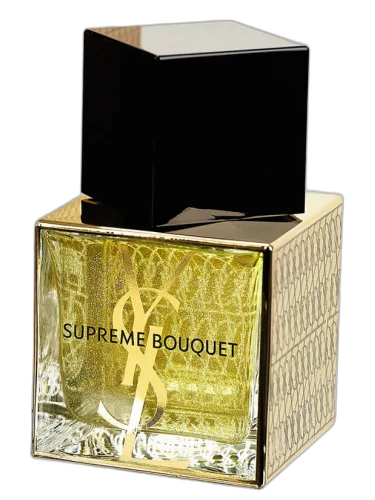
Supreme Bouquet Luxury Edition Yves Saint Laurent
Shared heart notes: jasmine, tuberose
Pierre Bourdon
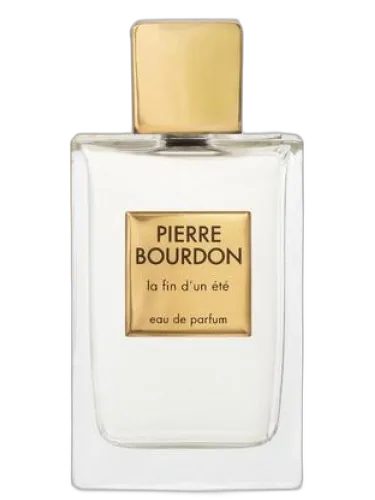
La Fin D'un Ete Pierre Bourdon
Shared top notes: bergamot