
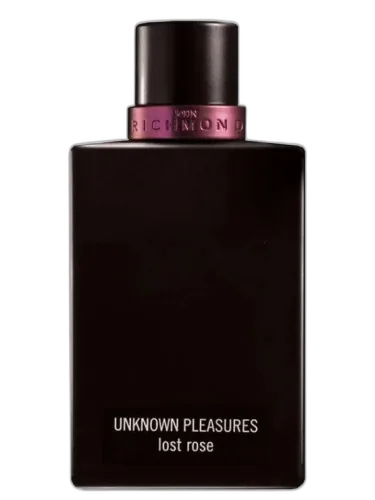

Lost Rose John Richmond
At a glance
Is Lost Rose John Richmond worth trying?
Lost Rose by John Richmond is a Floral Woody Musk fragrance for women and men.
- Best match
- Evening wear in Fall
- Performance feel
- Good longevity with Moderate sillage
- Signature profile
- rose, warm spicy, fresh spicy with Saffron, Bergamot, Cinnamon
The first impression
Lost Rose by John Richmond is a Floral Woody Musk fragrance for women and men. This is a new fragrance. Lost Rose was launched in 2022. The nose behind this fragrance is Jordi Fernández. Top notes are Saffron, Bergamot and Cinnamon; middle notes are Turkish Rose, Geranium, Cypriol Oil or Nagarmotha and Oak; base notes are Balsamic Notes, Patchouli, Woody Notes, Floral Notes and Musk.
What shapes the scent
The perfumer behind it

Jordi Fernández
Jordi Fernández contributed to fragrances for the 24 brand, including Elixir Ambrosia, Elixir Azur, Elixir Neroli, Gold, Gold Oud Edition, and Platinum, as well as Genetic Bliss for 27 87. His work spans luxurious and modern compositions, often featuring rich accords and innovative blends. He brings a contemporary sensibility to each project.
Notes pyramid
Top Notes
First impression · 15-30 min
 Saffron
 Bergamot
 Cinnamon
Heart Notes
Core character · 2-4 hours
 Turkish Rose
 Geranium
 Cypriol Oil or Nagarmotha
 Oak
Oak
Base Notes
Lasting impression · 4+ hours
 Balsamic Notes
 Patchouli
 Woody Notes
 Floral Notes
 Musk
Musk
The mood it creates
The Wanderer Archetype: Portrait of Lost Rose John Richmond
Essence
The one who wears Lost Rose by John Richmond is not merely drawn to its delicate yet melancholic blend of rose, pepper, and amber-they are defined by it. This fragrance, both tender and elusive, mirrors the essence of the Wanderer, an archetype that thrives on exploration, independence, and the pursuit of meaning beyond the ordinary. The Wanderer is not content with the well-trodden path; they seek the hidden, the poetic, the fleeting. Yet, like the rose that fades, their journey is tinged with an unspoken sorrow-a longing for something just out of reach.
Style & Aesthetic
Their world is one of contrasts-softness and edge, nostalgia and rebellion. They favor clothing that suggests both elegance and defiance: vintage lace paired with leather, delicate silks draped over structured tailoring. Their home, if they stay in one place long enough, is a sanctuary of curated chaos-antique books stacked beside modern art, dried roses in glass jars, candles burning low. Music is essential, often melancholic or ethereal-Nick Cave, Mazzy Star, or the slow hum of a cello suite. They drink black coffee or bitter red wine, never sweetened, as if to remind themselves that beauty must be earned.
They move through the world lightly, leaving few traces. Jobs are temporary-a bookstore, a gallery, freelance writing-anything that allows them to slip away when the walls start closing in. They travel often, not for pleasure but necessity, as if stillness might reveal something they are not ready to face.
Money is secondary to experience; they would rather sleep on a train than in a luxury hotel if it means waking up somewhere new. But this rootlessness has its cost-they sometimes envy those who can stay, who find comfort in routine.
Philosophy & Values
For them, life is not about answers but about questions that lead deeper into the unknown. They reject dogma, whether in religion, politics, or love, preferring instead the raw honesty of doubt. Their morality is fluid, shaped by experience rather than rules-they believe in kindness but distrust blind altruism, knowing too well how easily goodness can mask control. They value freedom above all, yet secretly fear that absolute freedom is just another kind of prison.
They are drawn to writers like Rilke and Pessoa, who understood solitude as both a burden and a gift. Their own writing-if they keep a journal-is fragmented, full of half-formed thoughts and sudden revelations. They do not believe in destiny, only in moments of clarity that flicker like candlelight before vanishing again.
Relationships
They love deeply but fleetingly, their heart a garden where few flowers take permanent root. Romantic partners are drawn to their mystery, only to find that closeness makes them retreat. They crave connection but fear engulfment, so they leave before they can be left. Their friendships are intense but sporadic-long letters sent at midnight, then silence for months.
Yet, when they do commit, it is with a fierce, almost desperate loyalty, as if trying to prove to themselves that they are capable of staying. Their love is not possessive but devotional-they worship the idea of love more than the reality of it.
Shadow
The greatest danger for the Wanderer is not the road but the emptiness that follows them. Their independence can curdle into isolation, their search for meaning into perpetual dissatisfaction. They may grow cynical, mistaking detachment for wisdom. At their worst, they become ghosts in their own lives, watching from the edges, never fully present.
They fear that one day they will wake and realize they have wandered too far-that home was never a place but a state of being they could never hold onto.
Conclusion
Lost Rose is not just a scent-it is the essence of a soul in motion. The one who wears it is neither lost nor found, but forever in between, chasing the horizon because they know, deep down, that the moment they stop, they will have to face the question they have been running from all along:
What happens when the wandering ends?
And perhaps that is the point-to never find out.
If you like this, try these
Fragrances with a comparable profile - shared accords, notes, and character.
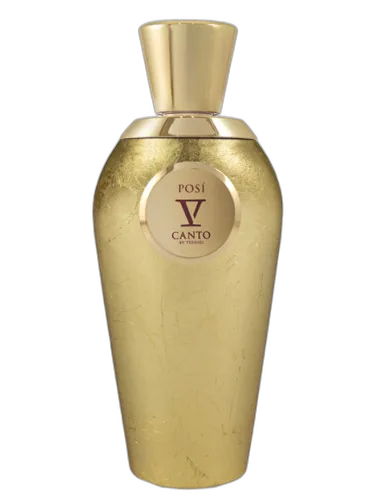
V Canto
Posi V Canto
Shared top notes: bergamot, saffron
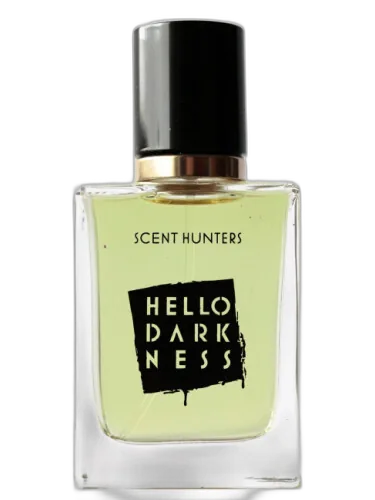
Scent Hunters
Hello Darkness Scent Hunters
Shared top notes: bergamot, saffron
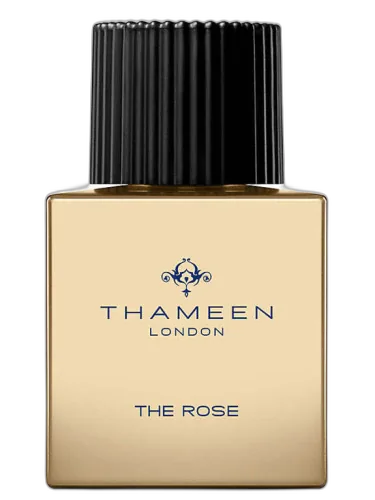
Thameen
The Rose Thameen
Shared top notes: bergamot, saffron
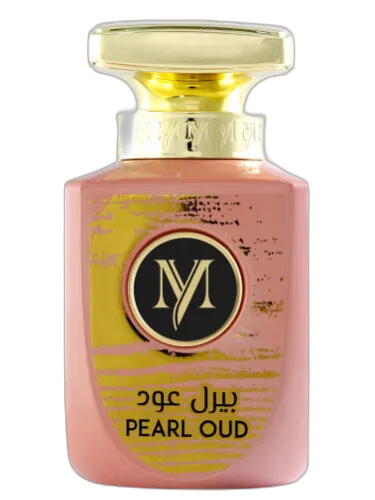
My Perfumes Select
Pearl Oud My Perfumes Select
Shared top notes: bergamot, cinnamon
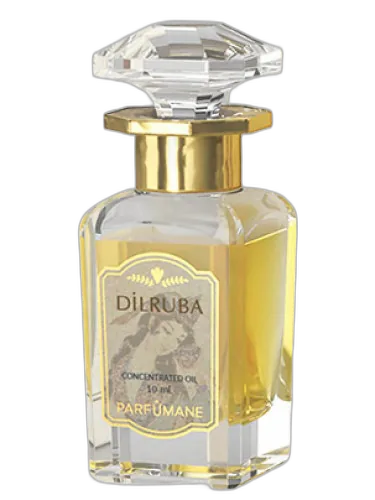
Parfumane
Dilruba Parfumane
Shared top notes: bergamot, saffron