
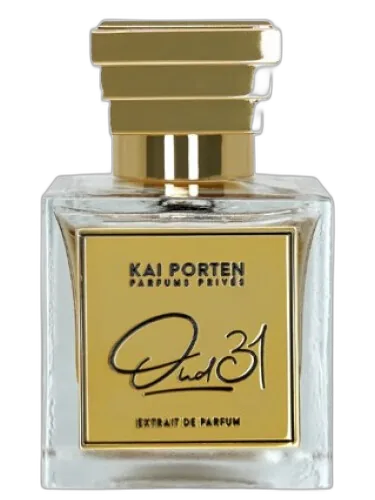

Oud 31 Kai Porten
Fragrance Story
Oud 31 by Kai Porten is a Oriental Woody fragrance for women and men. This is a new fragrance. Oud 31 was launched in 2023. The nose behind this fragrance is Chris Maurice.
Composition Profile
About the Perfumer

Fragrance Notes
All Notes
Complete scent profile
Oud 31 Kai Porten by Kai Porten offers a distinctive olfactory experience that stands out from other fragrances in its category.
Crafted with the finest ingredients and a blend of traditional and modern perfumery techniques, this fragrance represents the pinnacle of the perfumer's art.
Oud 31 Kai Porten embodies the distinctive style of Kai Porten while adding a unique chapter to their fragrance portfolio.
Character Profile
The Sage Archetype: Portrait of Oud 31 Kai Porten
Essence
Oud 31 Kai Porten is not a fragrance for the faint of spirit. It is dark, resinous, and layered-an olfactory paradox that balances smoky depth with a whisper of leather and spice. The person who chooses this scent does not seek to be understood at first glance; they invite curiosity, demanding a second encounter, a deeper inhalation. They are drawn to complexity, to the interplay of shadow and light, much like the Sage archetype that defines them.
The Sage is a seeker of truth, a thinker who navigates the world with quiet intensity. They are not swayed by trends or fleeting passions but are instead devoted to the pursuit of wisdom, authenticity, and meaning. Oud 31 Kai Porten, with its enigmatic blend of oud, cedar, and labdanum, mirrors this-opaque yet revealing, ancient yet timeless.
Style & Aesthetic
This individual moves through life with deliberate grace. Their tastes are refined but never ostentatious; they prefer the weight of a well-bound book over the glare of a screen, the texture of aged leather over synthetic polish. Their home is a sanctuary of curated objects-antique maps, a vintage typewriter, a collection of rare vinyl records. They do not accumulate for the sake of possession but for the stories these objects carry.
Philosophy is not an abstract exercise for them but a lived experience. They might quote Nietzsche with ease but are equally likely to find profundity in the silence between words. Their values are rooted in intellectual independence-they distrust dogma, preferring to question, to dissect, to arrive at their own conclusions. This can make them seem aloof, but in truth, they are deeply engaged with the world, just on their own terms.
Relationships, for them, are a matter of depth over breadth. They have few close confidants, but those they choose are bound by mutual respect and unspoken understanding. Romantic partners must be their equals-not in knowledge, but in curiosity. They are drawn to those who challenge them, who can match their intensity without demanding constant validation.
Their style is understated but intentional-tailored coats in muted tones, a single piece of heirloom jewelry, boots that have weathered years of use. They favor craftsmanship over mass production, valuing the imprint of time.
Professionally, they thrive in roles that demand depth-writers, researchers, philosophers, or perhaps a perfumer who understands that scent is memory distilled. They are not driven by ambition in the traditional sense but by the need to engage deeply with their craft.
Shadow
Yet, the Sage is not without their burdens. Their love of wisdom can become a prison-they may overanalyze, dissecting emotions until they lose their vitality. They risk becoming detached, observing life rather than living it. Their skepticism, while a shield against naivety, can harden into cynicism, closing them off from spontaneity and joy.
In relationships, their need for intellectual parity can make them impatient with those who think differently. They may dismiss emotions as irrational, forgetting that wisdom is not only in the mind but in the heart. Their solitude, once a refuge, can turn into isolation, leaving them stranded in their own thoughts.
Conclusion
The Sage’s greatest strength is their intellect, not in the sterile sense of mere knowledge, but as a tool for navigating existence. They see patterns where others see chaos, extracting meaning from the mundane. They are the friend who offers not comfort but clarity, the one who asks, "Why does this trouble you?" rather than "It will be alright."
They are fiercely self-reliant, unafraid of solitude, even finding a kind of sacredness in it. Their independence allows them to resist societal pressures, to live authentically in a world that often rewards conformity. There is a quiet magnetism to them-people sense their depth and are drawn to it, even if they cannot fully grasp it.
Similar Fragrances
Fragrances with a comparable profile - shared accords, notes, and character.
Kai Porten
Oud 31 Kai Porten
Shared accords: floral, musky, oud
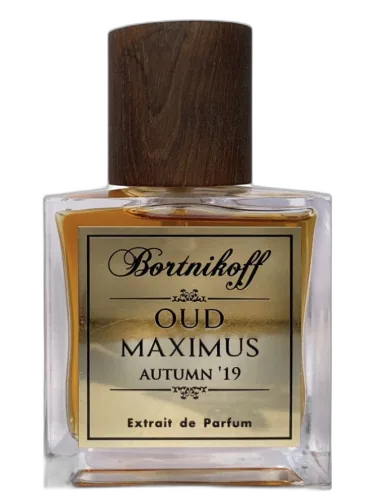
Bortnikoff
Oud Maximus Autumn 2019 Bortnikoff
Shared accords: floral, musky, oud
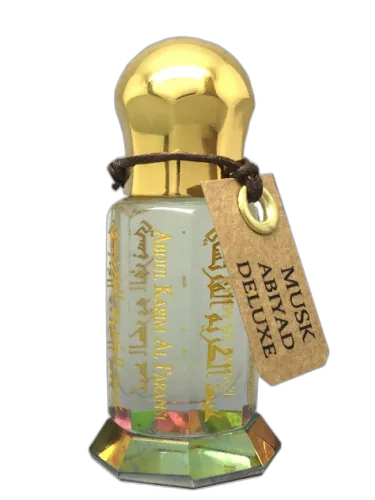
Abdul Karim Al Faransi
Musk Abiyad Deluxe Abdul Karim Al Faransi
Shared accords: floral, musky, powdery
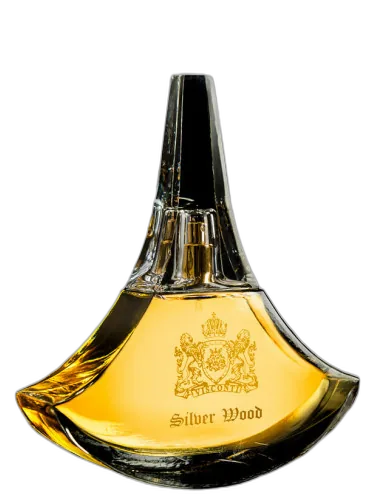
Antonio Visconti
Silver Wood Antonio Visconti
Shared accords: floral, musky, oud

Orens
Undea Des Iles Orens
Shared accords: floral, musky, oud