


Winter On Sakhalin (зима На Сахалине) Kamila Robinson
Fragrance Story
Winter on Sakhalin (Зима на Сахалине) by Kamila Robinson is a Chypre fragrance for women and men. This is a new fragrance. Winter on Sakhalin (Зима на Сахалине) was launched in 2023. The nose behind this fragrance is Kamila Robinson.
Composition Profile
About the Perfumer

Kamila Robinson
Kamila Robinson is a perfumer who creates fragrances under her own name. Her catalog includes 266st Pontiff's Harley, Afrodite, Autunno Atmosferico, Be Capone??, Brutal Man, Caer Hasta, Caramel Angel, and East Mcconauhey. Robinson's work spans a wide range of styles, from bold and masculine to sweet and whimsical.
Fragrance Notes
All Notes
Complete scent profile
 Chrysanthemum
 Smoke
Smoke
 White Pepper
 Ginger
 Amber
Pine
Amber
Pine
 Fir
Fir
 Ice
Ice
Winter On Sakhalin (зима На Сахалине) Kamila Robinson by Kamila Robinson offers a distinctive olfactory experience that stands out from other fragrances in its category.
Crafted with the finest ingredients and a blend of traditional and modern perfumery techniques, this fragrance represents the pinnacle of the perfumer's art.
Winter On Sakhalin (зима На Сахалине) Kamila Robinson embodies the distinctive style of Kamila Robinson while adding a unique chapter to their fragrance portfolio.
Character Profile
The Lover Archetype: Portrait of Winter On Sakhalin (зима На Сахалине) Kamila Robinson
Essence
This person is most closely aligned with the Sage-a seeker of truth, wisdom, and depth. The Sage thrives in contemplation, drawn to the quiet austerity of winter, the intellectual rigor of solitude, and the layered complexity of a fragrance like Winter on Sakhalin. They are not merely observers of life but interpreters, always searching for meaning beneath the surface.
The Sage’s shadow, however, is detachment-a tendency to retreat too far into the mind, becoming cold or aloof. They may intellectualize emotions rather than feel them, mistaking analysis for connection.
Style & Aesthetic
Their wardrobe reflects their temperament: structured, muted, deliberate. They favor wool coats, tailored lines, and a palette of grays, deep blues, and blacks-colors that speak of depth rather than ornamentation. Their accessories are minimal but meaningful-perhaps a single silver ring, a well-worn leather journal.
Their living space is similarly curated: uncluttered, with books arranged by theme rather than color, a single piece of art dominating a wall. They dislike excess, seeing it as a distraction from thought.
Philosophy & Values
Their philosophy is one of essentialism-they strip away the superfluous, seeking only what is true and necessary. They distrust loud declarations of emotion, preferring the unspoken, the implied. Their values are rooted in authenticity, though they may mistake solitude for strength, isolation for independence.
They believe wisdom is earned through hardship, and thus, they do not shy away from discomfort. The harshness of Sakhalin’s winter is not a deterrent but a teacher-its austerity a reminder that clarity comes from enduring the cold.
Relationships
They are not easy to know. Their friendships are few but profound, built on shared intellectual pursuits rather than casual camaraderie. Romantic partners must understand their need for solitude-they do not love lightly, but when they do, it is with a quiet intensity.
Their shadow emerges here: they may withhold affection, believing that love, like wisdom, must be earned through trial. They can be emotionally frugal, expecting others to "prove" their depth before granting trust. This can lead to loneliness, even as they tell themselves they prefer it.
Shadow
The Sage’s greatest flaw is their emotional austerity. They pride themselves on rationality, but this can become a defense against vulnerability. They may dismiss sentimentality as weakness, forgetting that wisdom without warmth is merely cleverness.
At their worst, they become the Hermit-isolated, convinced that others cannot understand them. They may grow bitter, mistaking their own withdrawal for superiority.
Conclusion
This person is a thinker, a seeker, a lover of silence and substance. They find solace in the cold clarity of winter, in fragrances that evoke solitude rather than sweetness. But they must remember: wisdom is not just in knowing, but in feeling. The Sage must sometimes step out of the library and into the world, lest their knowledge become a prison rather than a key.
They are not for everyone-but for those who take the time to understand them, they offer a rare kind of depth, one that lingers like the scent of frost on an empty street.
Similar Fragrances
Fragrances with a comparable profile - shared accords, notes, and character.
Kamila Robinson
Winter On Sakhalin (зима На Сахалине) Kamila Robinson
Shared accords: amber, aromatic, conifer

Smell Bent
Reindeer Games Smell Bent
Shared accords: amber, aromatic, conifer

d.grayi
Calci-fir D.grayi
Shared accords: amber, aromatic, conifer

Goutal
Nuit Etoilee Goutal
Shared accords: amber, aromatic, conifer
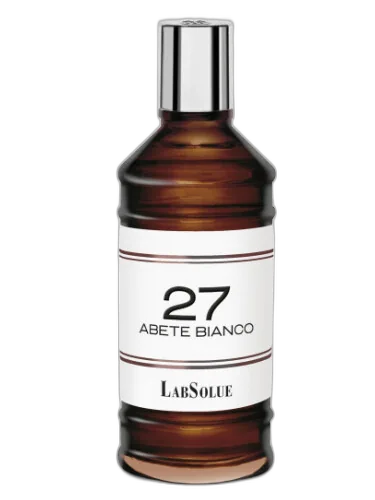
LabSolue
27 Abete Bianco Labsolue
Shared accords: aromatic, conifer, fresh