
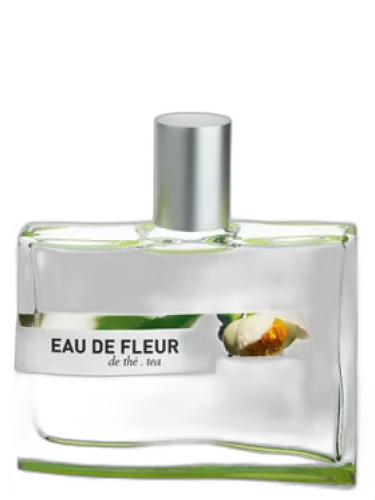

Eau De Fleur De Thé Kenzo
Fragrance Story
Eau De Fleur de Thé by Kenzo is a Floral fragrance for women. Eau De Fleur de Thé was launched in 2008. The nose behind this fragrance is Aurélien Guichard.
Composition Profile
About the Perfumer

Aurélien Guichard
Aurélien Guichard is a French perfumer and the creative director of Givaudan's prestigious Fragrance Division, known for his deep expertise in natural ingredients. His style balances modern minimalism with rich, textured accords, often highlighting woody, aromatic, or green notes with unexpected contrasts. He created the iconic Bond No 9 Chinatown, a bold floral gourmand, and the crisp, verdant Azzaro Aqua Verde, demonstrating his range from opulent to fresh. Guichard's work has helped define contemporary luxury perfumery through its refined yet accessible character.
Fragrance Notes
All Notes
Complete scent profile
 Tea
Tea
 Musk
Musk
Eau De Fleur De Thé Kenzo by Kenzo offers a distinctive olfactory experience that stands out from other fragrances in its category.
Crafted with the finest ingredients and a blend of traditional and modern perfumery techniques, this fragrance represents the pinnacle of the perfumer's art.
Eau De Fleur De Thé Kenzo embodies the distinctive style of Kenzo while adding a unique chapter to their fragrance portfolio.
Character Profile
The Archetype Archetype: Portrait of Eau De Fleur De Thé Kenzo
Essence
This person is most closely aligned with the Sage, the seeker of wisdom and quiet truth. The Sage does not clamor for attention but instead observes, reflects, and distills life into its essence. Like the fragrance they favor-a delicate balance of green tea, citrus, and white musk-they are subtle yet profound, preferring refinement over excess. Their mind is a sanctuary of contemplation, where ideas simmer like steam rising from a porcelain cup.
Yet, the Sage is not merely an intellectual; they are a sensualist of the mind, finding beauty in the interplay of thought and sensation. The lightness of the fragrance mirrors their preference for clarity over dogma, for nuance over absolutes. They are drawn to the ephemeral-the fleeting moment, the half-spoken truth, the quiet spaces between words.
Style & Aesthetic
Their tastes are understated but deliberate. They favor clean lines in design, muted colors, and textures that invite touch-linen, unpolished wood, the smooth weight of a well-bound book. Their home is not cluttered but curated, each object chosen for its quiet resonance. They might keep a single branch in a vase rather than a bouquet, finding elegance in restraint.
Philosophically, they are drawn to Zen Buddhism, Stoicism, or the writings of Montaigne-systems that prize self-awareness and the art of living well. They do not chase happiness as an end but seek equilibrium, a harmony between inner stillness and the world’s chaos. Their values are rooted in authenticity, though they are wary of those who wear their truths too loudly.
In relationships, they are selective but deeply present. They do not crave constant companionship but value exchanges that leave them enriched rather than drained. Their love is not possessive; it is a shared silence, a mutual understanding that needs few words. They are the confidant who listens without judgment, though they may withhold their own vulnerabilities behind a veil of composure.
Shadow
Yet, the Sage’s strength is also their flaw. Their love of solitude can harden into detachment, their pursuit of wisdom into a subtle arrogance. They may mistake observation for participation, believing that understanding life is the same as living it. At times, they withdraw too far, becoming spectators in their own existence.
Their critical mind, so adept at dissecting illusions, can turn inward, breeding self-doubt or a paralyzing perfectionism. They may dismiss passion as chaos, mistaking emotional intensity for lack of control. And though they value truth, they sometimes prefer the safety of ambiguity over the messy demands of commitment.
Conclusion
Eau de Fleur de Thé Kenzo is their essence: fresh yet deep, transparent yet lingering. It does not announce itself with boldness but reveals itself slowly, like a thought unfolding. In wearing it, they declare a quiet rebellion against the noise of the world, choosing instead the path of the observer, the thinker, the one who finds meaning in the spaces between.
They are not without contradictions-no true Sage is. But in their best moments, they embody the wisdom of knowing when to engage and when to retreat, when to speak and when to let silence speak for them. Their life is an ongoing meditation, a search for balance between the seen and the unseen, the said and the unsaid. And in this search, they find their own kind of grace.
Similar Fragrances
Fragrances with a comparable profile - shared accords, notes, and character.

HOC
5:00 Pm Hoc
Shared accords: fresh, green, musky
Anthropologie
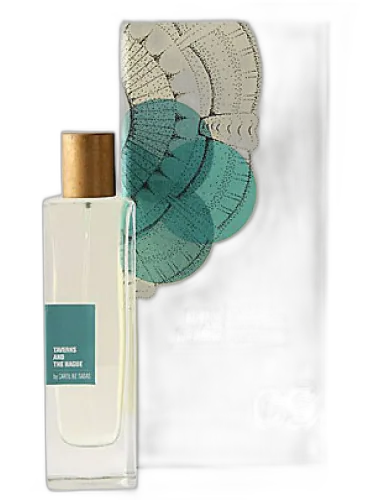
A Rather Novel Collection Taverns & The Hague By Caroline Sabas Anthropologie
Shared accords: fresh, green, musky
Jalaine
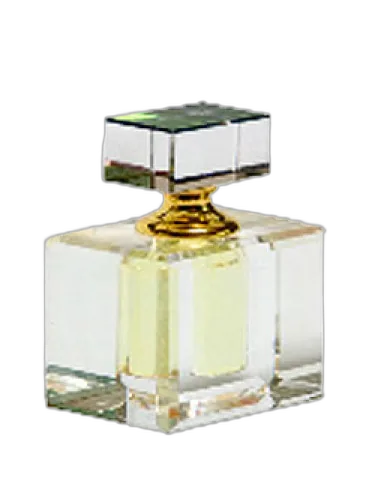
Green Tea Jalaine
Shared accords: fresh, green, ozonic

Alkemia Perfumes
The De Ceylon (tea) Alkemia Perfumes
Shared accords: fresh, green, ozonic
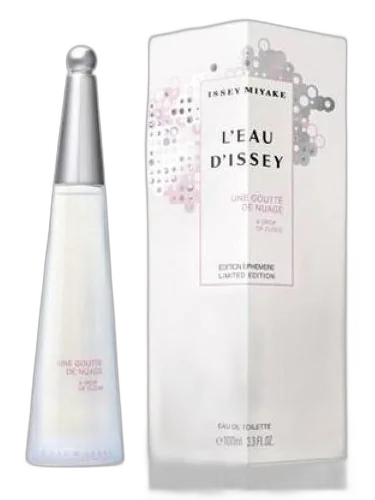
Issey Miyake
L'eau D'issey Une Goutte De Nuage Issey Miyake
Shared accords: fresh, green, musky