
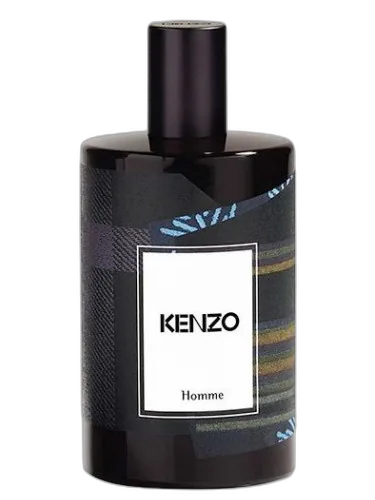

Once Upon A Time Pour Homme Kenzo
At a glance
Is Once Upon A Time Pour Homme Kenzo worth trying?
Once Upon a Time pour Homme by Kenzo is a Woody Spicy fragrance for men.
- Best match
- Casual wear in Fall
- Performance feel
- Moderate longevity with Moderate sillage
- Signature profile
- aromatic, fresh spicy, warm spicy with Nutmeg, Ginger, Vetyver
The first impression
Once Upon a Time pour Homme by Kenzo is a Woody Spicy fragrance for men. Once Upon a Time pour Homme was launched in 2010. Once Upon a Time pour Homme was created by Christine Nagel and Benoist Lapouza.
What shapes the scent
The perfumer behind it

Benoist Lapouza
Benoist Lapouza has contributed to the ALYSONOLDOINI collection, crafting fragrances such as Black Violet, Crystal Oud, Cuir D'encens, Marine Vodka, Marsiglia Musk, Oranger Moi, Rhum D'hiver, and Rose Profond. His work spans a variety of olfactory families, from rich leathers and ouds to fresh marine and citrus notes. Lapouza's style is characterized by a refined balance of traditional and contemporary influences.
Notes pyramid
All Notes
Complete scent profile
 Nutmeg
 Ginger
 Vetyver
 Coriander
The mood it creates
The Wanderer Archetype: Portrait of Once Upon A Time Pour Homme Kenzo
Essence
The person who chooses Once Upon A Time Pour Homme Kenzo as their signature scent is not one to be easily pinned down. This fragrance-fresh, woody, subtly spicy-speaks of a soul that thrives in movement, in the liminal spaces between destinations. They are, at their core, an embodiment of the Wanderer archetype, the seeker who finds meaning not in permanence but in the journey itself.
This individual is drawn to the unknown, to the edges of experience where most hesitate to tread. Their philosophy is one of fluidity-they resist rigid definitions, whether in identity, belief, or purpose. They are not aimless, but rather guided by an inner compass that values discovery over possession. Their style reflects this: effortless yet intentional, favoring textures that suggest movement-soft linens, worn leather, fabrics that breathe and shift with them.
They are not a collector of things but of moments. Their tastes lean toward the elemental-uncomplicated yet profound. A well-brewed coffee, the scent of rain on pavement, the weight of a book in their hands-these are the small pleasures that anchor them. Music, for them, is less about genre and more about mood; they might drift from jazz to ambient electronica, always attuned to the emotional undercurrent of sound.
Shadow
But the Wanderer is not without their burdens. Their aversion to permanence can slip into avoidance. Commitment, whether to a person, a place, or a purpose, may feel like a trap rather than a choice. They might leave relationships just as they deepen, abandon projects when they require sustained effort, or romanticize the "next thing" to escape present discomfort.
This tendency can leave them isolated, always on the periphery of deeper belonging. Their independence, while admirable, sometimes masks a fear of vulnerability-if they never stay long enough, they never have to face the weight of attachment, the pain of being truly known.
Their philosophy of freedom, taken to extremes, risks becoming a form of detachment. They may pride themselves on their lack of materialism, yet fail to cultivate the kind of deep, enduring investments-emotional, professional, spiritual-that give life lasting meaning.
Conclusion
Their greatest strength is their refusal to be confined. They move through life with an open mind, unafraid to question norms or abandon paths that no longer serve them. This makes them exceptional companions-they listen without judgment, offer perspectives untainted by dogma, and inspire others to see beyond their own limitations.
In relationships, they are neither possessive nor indifferent. They love deeply but without chains, valuing connection over control. Their partners often find in them a rare balance of presence and independence-someone who is fully engaged yet never stifling. Friends admire their ability to adapt, to find beauty in the unexpected, to turn even mundane encounters into something memorable.
Professionally, they thrive in roles that allow for exploration-creative fields, travel, academia, or entrepreneurship. Routine is their enemy; stagnation, their greatest fear. They are the kind of person who might leave a stable job to backpack through South America or start a passion project with no guarantee of success. And yet, they rarely regret these choices-for them, the act of choosing is itself a form of fulfillment.
If you like this, try these
Fragrances with a comparable profile - shared accords, notes, and character.

Vero Profumo
Onda Extrait De Parfum Vero Profumo
Shared top notes: coriander, ginger, nutmeg

Vero Profumo
Onda Voile D'extrait Vero Profumo
Shared top notes: coriander, ginger, nutmeg
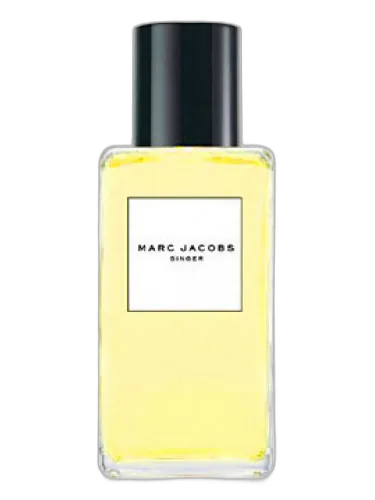
Marc Jacobs
Cocktail Splash Ginger Marc Jacobs
Shared top notes: coriander, ginger
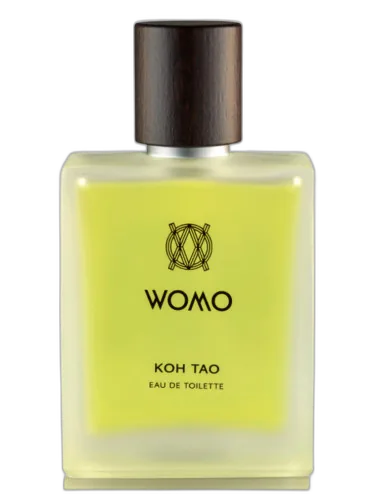
Womo
Koh Tao Womo
Shared top notes: coriander, ginger

Avon
Individual Blue Casual Avon
Shared top notes: ginger