


Time For Peace Kenzo
Fragrance Story
Time for Peace by Kenzo is a Aromatic Fougere fragrance for men. Time for Peace was launched in 1999. The nose behind this fragrance is Annick Menardo. Top notes are Sage and Mandarin Orange; middle notes are Tonka Bean and Chestnut; base notes are Virginia Cedar, Vetyver, Amber and Vanille.
Composition Profile
About the Perfumer

Annick Menardo
Annick Menardo is a French perfumer known for her work at Firmenich and her bold, modern compositions. She often blends gourmand, woody, and leathery accords, creating fragrances that are both striking and wearable. Her portfolio includes the rich, smoky Figment Man for Amouage and the sophisticated, floral-amber Portrayal Woman, as well as the iconic Azzaro Visit.
Fragrance Notes
Top Notes
First impression · 15-30 min
 Sage
Sage
 Mandarin Orange
Heart Notes
Core character · 2-4 hours
 Tonka Bean
 Chestnut
Base Notes
Lasting impression · 4+ hours
 Virginia Cedar
Vetyver
Virginia Cedar
Vetyver
 Amber
Vanille
Amber
Vanille
Time For Peace Kenzo by Kenzo offers a distinctive olfactory experience that stands out from other fragrances in its category.
Crafted with the finest ingredients and a blend of traditional and modern perfumery techniques, this fragrance represents the pinnacle of the perfumer's art.
Time For Peace Kenzo embodies the distinctive style of Kenzo while adding a unique chapter to their fragrance portfolio.
Character Profile
The Lover Archetype: Portrait of Time For Peace Kenzo
Essence
The one who cherishes Time For Peace by Kenzo is not merely drawn to its delicate blend of white tea, bergamot, and musk-they are seduced by its quiet promise of equilibrium. This fragrance, serene yet subtly complex, mirrors the essence of the Sage, an archetype devoted to wisdom, introspection, and the pursuit of inner balance. The Sage does not shout; they observe. They do not conquer; they understand. Their power lies not in force but in clarity-yet clarity, when ungrounded, can become detachment, and wisdom, when unchecked, can harden into dogma.
Style & Aesthetic
Their wardrobe is an extension of their mind: refined, understated, yet with a quiet confidence. They favor clean lines, muted tones, fabrics that breathe and move with ease-linen, cashmere, unadorned cotton. They do not chase trends but cultivate a timeless elegance, a style that speaks of deliberation rather than vanity.
The same restraint applies to their surroundings. Their home is not cluttered but curated-each object chosen for its meaning, not its status. A well-worn book, a single stem in a slender vase, the faintest trace of Time For Peace lingering in the air. They find beauty in absence as much as presence.
Their days are structured but not rigid. Mornings begin with ritual-tea, a few pages of philosophy or poetry, perhaps a walk where they observe the world without the need to possess it. They work with focus but not obsession, valuing quality over quantity, depth over speed. They may be drawn to professions that reward patience and insight-writing, psychology, design, academia-fields where thought is currency.
Yet their love of solitude can tip into isolation. They must remind themselves that wisdom untested by life is merely theory, that books alone cannot teach the weight of a human hand in theirs.
Philosophy & Values
For this person, life is an exercise in discernment. They seek truth not in grand proclamations but in the quiet spaces between words, in the pauses of conversation, in the way light shifts at dusk. Their philosophy is one of measured depth-they distrust extremes, preferring the middle path where contradictions dissolve into harmony. They value intelligence but despise arrogance; they admire kindness but see through empty sentimentality.
Yet their pursuit of balance can sometimes render them indecisive. The Sage knows too well that every choice carries consequence, and so they hesitate, weighing options until the moment for action has passed. Their shadow is not impulsivity but paralysis by analysis-a reluctance to commit, to dirty their hands with the messiness of life.
Relationships
They are not the life of the party, nor do they wish to be. Their social circle is small but profound, built on mutual understanding rather than obligation. They listen more than they speak, and when they do speak, their words carry weight. Friends come to them for counsel, for they have a rare ability to see situations with detachment-yet this very detachment can make them seem aloof, even cold, to those who crave emotional abandon.
In love, they are slow to trust but fiercely loyal once they do. They seek a partner who respects their need for solitude, who understands that silence is not rejection but a form of intimacy. Yet their reluctance to fully surrender to passion can frustrate lovers who mistake their restraint for indifference.
Shadow
The Sage’s greatest danger is not ignorance but disengagement. When overwhelmed by the noise of the world, they may retreat too far, mistaking solitude for enlightenment and withdrawal for wisdom. They must remember that true harmony is not found in escape but in the delicate dance between solitude and communion.
Time For Peace is their olfactory manifesto-a scent that whispers of stillness without stagnation, of depth without dogma. It is the fragrance of one who walks the line between knowing and living, between thought and action. And if they can bridge that divide, they become not just a thinker, but a true sage-one who understands that peace is not the absence of chaos, but the mastery of it.
Similar Fragrances
Fragrances with a comparable profile - shared accords, notes, and character.
Kenzo
Time For Peace Kenzo
Shared accords: amber, aromatic, citrus
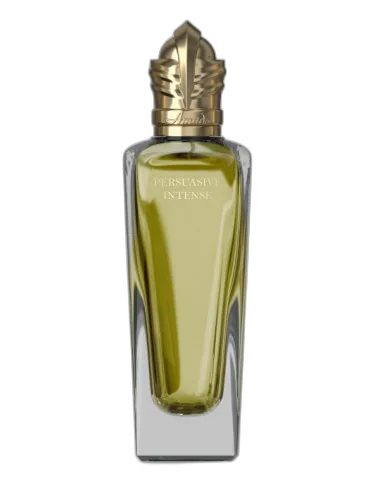
Amado
Persuasive Intense Amado
Shared accords: amber, aromatic, citrus
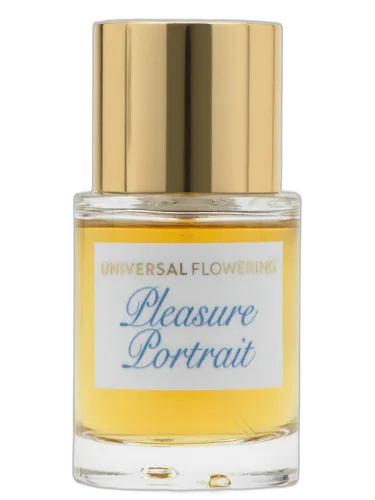
Universal Flowering
Pleasure Portrait Universal Flowering
Shared accords: amber, aromatic, citrus

Natura
Ambarado Masculino Natura
Shared accords: amber, aromatic, citrus

Issey Miyake
L'eau D'issey Pour Homme Summer Eau De Toilette Issey Miyake
Shared accords: aromatic, citrus, earthy