
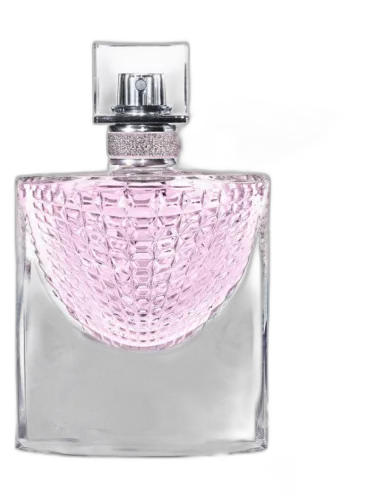

La Vie Est Belle Flowers Of Happiness Lancôme
Fragrance Story
La Vie Est Belle Flowers of Happiness by Lancôme is a Floral Fruity fragrance for women. La Vie Est Belle Flowers of Happiness was launched in 2018. La Vie Est Belle Flowers of Happiness was created by Fanny Bal, Anne Flipo, Dominique Ropion and Domitille Michalon Bertier. Top notes are Pear, Citruses and Bergamot; middle notes are Peony, Rose, Jasmine and Lily-of-the-Valley; base notes are Musk and Sandalwood.
Composition Profile
About the Perfumer

Anne Flipo
Anne Flipo is a French perfumer and a master of delicate, luminous compositions, often working with IFF and known for her refined floral and woody accords. Her style balances transparency with depth, creating scents that feel both airy and substantial, as seen in the ethereal Pleine Lune and the sophisticated Serpent Bohème. Among her notable creations are the bold 212 Vip Black and the radiant Joyphoria, showcasing her versatility across modern and classic aesthetics.
Fragrance Notes
Top Notes
First impression · 15-30 min
 Pear
Pear
 Citruses
 Bergamot
Heart Notes
Core character · 2-4 hours
 Peony
Peony
 Rose
Rose
 Jasmine
 Lily-of-the-Valley
Base Notes
Lasting impression · 4+ hours
 Musk
Musk
 Sandalwood
La Vie Est Belle Flowers Of Happiness Lancôme by Lancôme offers a distinctive olfactory experience that stands out from other fragrances in its category.
Crafted with the finest ingredients and a blend of traditional and modern perfumery techniques, this fragrance represents the pinnacle of the perfumer's art.
La Vie Est Belle Flowers Of Happiness Lancôme embodies the distinctive style of Lancôme while adding a unique chapter to their fragrance portfolio.
Character Profile
The Lover Archetype: Portrait of La Vie Est Belle Flowers Of Happiness Lancôme
Essence
To wear La Vie Est Belle Flowers of Happiness is to declare an allegiance to joy-not the fleeting kind, but a radiant, almost defiant optimism. This fragrance, with its luminous peony, jasmine, and orange blossom, is an ode to pleasure, sensuality, and the belief that beauty is not merely an accident but a choice. The person who cherishes this scent is most closely aligned with The Lover archetype-one who seeks connection, passion, and the sublime in everyday life.
Philosophy & Values
For them, life is not a problem to be solved but an experience to be savored. They are drawn to the philosophy of carpe diem, though not in the reckless sense-rather, as a deliberate embrace of the present. They believe in the transformative power of beauty, whether in art, nature, or human connection. Their worldview is not naive; they have known sorrow, but they choose to meet it with grace, as if to say: Even in darkness, there are flowers.
Their tastes reflect this. They prefer spaces bathed in light, filled with fresh blooms, soft textures, and warm hues. Their wardrobe leans toward elegance with a playful touch-flowing dresses, delicate jewelry, fabrics that move with them. They are drawn to music that swells with emotion, literature that explores love in all its forms, and food that delights the senses.
Relationships
The Lover thrives in intimacy. They are not merely social but deeply relational, seeking bonds that are both tender and intense. Friends and lovers are drawn to their warmth, their ability to make others feel seen and cherished. They are the ones who remember birthdays, who bring small gifts "just because," who listen with an open heart.
Yet, their shadow emerges here. Their desire for harmony can make them avoid conflict, smoothing over tensions rather than confronting them. They may cling to relationships long after they have soured, fearing the loss of connection more than the pain of dishonesty. At their worst, they can become people-pleasers, molding themselves to others’ expectations until they no longer recognize their own desires.
Shadow
The Lover’s greatest strength-their capacity for joy-can also be their undoing. When life refuses to conform to their vision of beauty, they may retreat into denial, insisting on optimism even when it rings hollow. Their pursuit of pleasure can tip into hedonism, a distraction from deeper wounds they refuse to examine.
There is also the danger of superficiality. Not all that glitters is gold, and their love of beauty can blind them to the raw, unpolished truths of existence. They may dismiss suffering as a failure of attitude rather than an inevitable part of life.
Conclusion
They are not untouched by hardship, but they meet it with a quiet resilience. Their laughter is genuine, but so are their tears. They understand that happiness is not the absence of pain but the courage to embrace life despite it.
In the end, the wearer of La Vie Est Belle Flowers of Happiness is neither naive nor frivolous. They are a testament to the power of choosing joy-not as an escape, but as a rebellion against despair. Their life is a garden: carefully tended, occasionally storm-swept, but always, always blooming.
Similar Fragrances
Fragrances with a comparable profile - shared accords, notes, and character.

Lancôme
La Vie Est Belle Flowers Of Happiness Sparkling Limited Edition Lancôme
Shared accords: citrus, floral, fresh
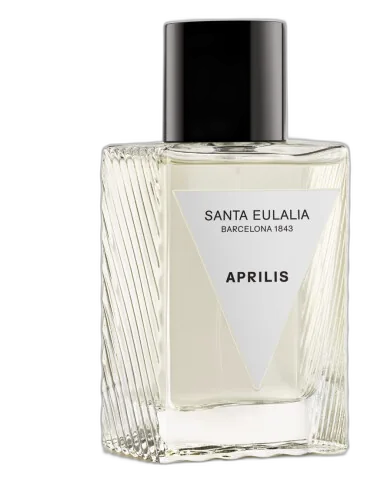
Santa Eulalia
Aprilis Santa Eulalia
Shared accords: floral, fresh, fruity
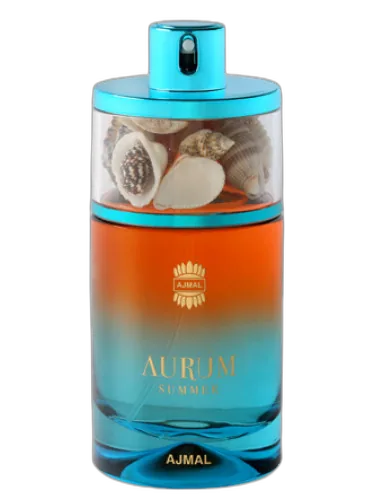
Ajmal
Aurum Summer Ajmal
Shared accords: citrus, floral, fresh
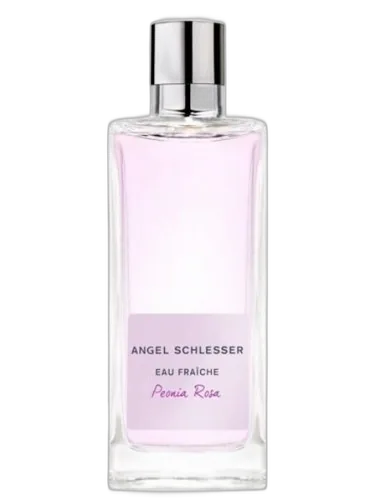
Angel Schlesser
Eau Fraiche Peonia Rose Angel Schlesser
Shared accords: citrus, floral, fresh

Lanvin
Jeanne Lanvin Scandal Lanvin
Shared accords: citrus, floral, fresh