
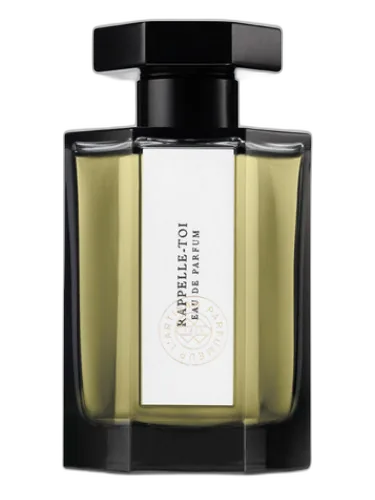
Rappelle-toi L'artisan Parfumeur
Fragrance Story
Rappelle-Toi by L'Artisan Parfumeur is a Floral Woody Musk fragrance for women and men. Rappelle-Toi was launched in 2014. The nose behind this fragrance is Bertrand Duchaufour. Top notes are Gin and Sichuan Pepper; middle notes are Gardenia and Incense; base notes are Honey, Sandalwood and Musk.
Composition Profile
About the Perfumer

Bertrand Duchaufour
Bertrand Duchaufour is a renowned French perfumer with a prolific career spanning many brands. He has created fragrances for Acqua di Parma, including Blu Mediterraneo - Cipresso Di Toscana and Colonia Assoluta, as well as for Aedes de Venustas, such as Café Tabac and Copal Azur. His style is known for its complexity and use of natural ingredients.
Fragrance Notes
Top Notes
First impression · 15-30 min
 Gin
Gin
 Sichuan Pepper
Heart Notes
Core character · 2-4 hours
 Gardenia
 Incense
Base Notes
Lasting impression · 4+ hours
 Honey
Honey
 Sandalwood
 Musk
Musk
Rappelle-toi L'artisan Parfumeur by L'Artisan Parfumeur offers a distinctive olfactory experience that stands out from other fragrances in its category.
Crafted with the finest ingredients and a blend of traditional and modern perfumery techniques, this fragrance represents the pinnacle of the perfumer's art.
Rappelle-toi L'artisan Parfumeur embodies the distinctive style of L'Artisan Parfumeur while adding a unique chapter to their fragrance portfolio.
Character Profile
The Lover Archetype: Portrait of Rappelle-toi L'artisan Parfumeur
Essence
Rappelle-toi by L'Artisan Parfumeur is a scent of memory and longing-soft, poetic, and suffused with the melancholy of fleeting beauty. Its wearer is no stranger to the ephemeral; they are drawn to the delicate, the transient, the emotionally resonant. This person is, above all, a Lover-not in the trivial sense of romantic pursuit, but in the Jungian sense of one who seeks connection, beauty, and meaning in all things.
The Lover archetype thrives on sensory and emotional richness. They are the kind of person who lingers in museums not just to see, but to feel the art. Their home is a carefully curated sanctuary, filled with objects that tell stories-antique books, dried flowers, handwritten letters, and perhaps a vintage record player spinning Chopin or Debussy. Their style is elegant but never ostentatious; they favor natural fabrics, muted colors, and textures that invite touch.
Philosophically, they are drawn to the Romantics-Keats’ "beauty is truth, truth beauty" resonates deeply. They believe in the sacredness of experience, in the way a scent can resurrect a forgotten moment, how a glance can hold an entire conversation. They are not materialistic, but they are deeply sensual, finding transcendence in the small, perfect details of life.
Shadow
Yet, the Lover’s intensity has its costs. Their nostalgia can tip into melancholy, their idealism into disillusionment. They may romanticize the past to the point of paralysis, replaying old loves, old hurts, as if time could be rewound. They are prone to avoiding harsh realities, retreating into aestheticism when life becomes too abrasive.
In relationships, their desire for deep connection can become possessive or overly dependent. They may mistake intensity for intimacy, conflating drama with love. When disappointed, they withdraw into a world of their own making, where emotions are safer because they are controlled.
Conclusion
Their greatest strength is their capacity for emotional depth. They do not merely observe life; they immerse themselves in it. Relationships are sacred to them-they remember birthdays, anniversaries, the way someone takes their coffee. They are the friend who listens with full presence, who writes letters instead of texts, who gifts not things but experiences-a bottle of wine from a memorable trip, a book underlined with their thoughts.
Professionally, they thrive in creative or empathetic fields-art, poetry, therapy, curation. They are not driven by ambition in the traditional sense, but by the desire to connect, to make others feel seen. Their work is often deeply personal, a reflection of their inner world.
Similar Fragrances
Fragrances with a comparable profile - shared accords, notes, and character.

Valentino
Voce Viva Valentino
Shared accords: aromatic, fresh spicy, musky
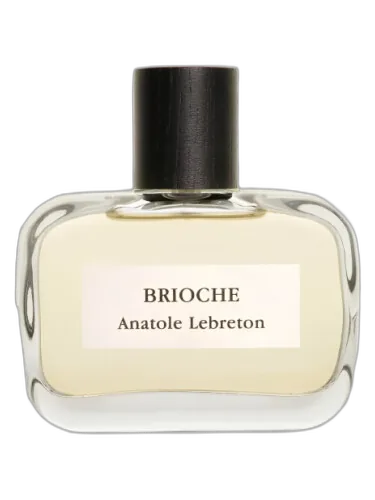
Anatole Lebreton
Brioche Anatole Lebreton
Shared accords: aromatic, fresh spicy, herbal
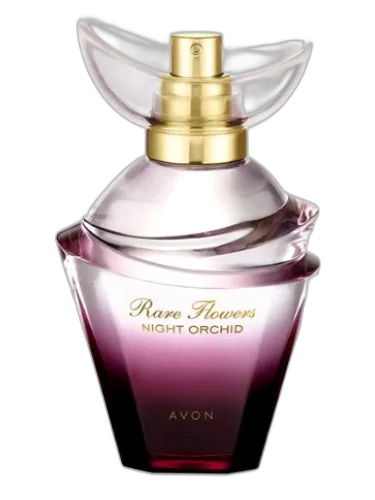
Avon
Rare Flowers Night Orchid Avon
Shared accords: fresh spicy, lactonic, musky

Estée Lauder
Bronze Goddess Flora Verde Estée Lauder
Shared accords: lactonic, musky, powdery
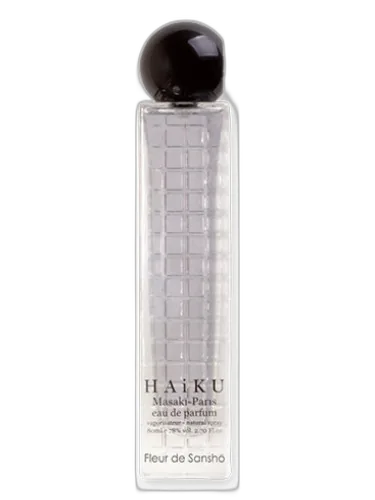
Masaki Matsushima
Fleur De Sanshō Masaki Matsushima
Shared accords: aromatic, fresh spicy, herbal