
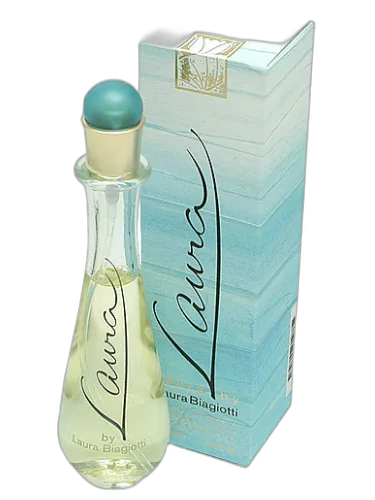

Laura Laura Biagiotti
At a glance
Is Laura Laura Biagiotti worth trying?
Laura by Laura Biagiotti is a Floral fragrance for women.
- Best match
- Casual wear in Spring
- Performance feel
- Good longevity with Moderate sillage
- Signature profile
- fruity, floral, powdery with Peach, Watermelon, Litchi
The first impression
Laura by Laura Biagiotti is a Floral fragrance for women. Laura was launched in 1994. The nose behind this fragrance is Anne Flipo. Top notes are Peach, Watermelon, Litchi, Green Notes, Plum, Bergamot and Brazilian Rosewood; middle notes are Freesia, Cyclamen, Lily-of-the-Valley, Violet, Orchid, Jasmine and Rose; base notes are Musk, Vanilla, Sandalwood, Cedar, Amber and Vetiver.
What shapes the scent
The perfumer behind it

Anne Flipo
Anne Flipo is a French perfumer and a master of delicate, luminous compositions, often working with IFF and known for her refined floral and woody accords. Her style balances transparency with depth, creating scents that feel both airy and substantial, as seen in the ethereal Pleine Lune and the sophisticated Serpent Bohème. Among her notable creations are the bold 212 Vip Black and the radiant Joyphoria, showcasing her versatility across modern and classic aesthetics.
Notes pyramid
Top Notes
First impression · 15-30 min
 Peach
Peach
 Watermelon
 Litchi
 Green Notes
 Plum
Plum
 Bergamot
 Brazilian Rosewood
Heart Notes
Core character · 2-4 hours
 Freesia
 Cyclamen
 Lily-of-the-Valley
 Violet
 Orchid
 Jasmine
 Rose
Rose
Base Notes
Lasting impression · 4+ hours
 Musk
Musk
 Vanilla
 Sandalwood
 Cedar
Cedar
 Amber
Amber
 Vetiver
The mood it creates
The Lover Archetype: Portrait of Laura Laura Biagiotti
Essence
To wear Laura by Laura Biagiotti is to embrace a fragrance that is soft yet enduring-a delicate veil of floral warmth, powdery elegance, and quiet sensuality. It is not a scent that demands attention, but one that lingers in memory, like the echo of a whispered secret. The person who chooses this fragrance is drawn to beauty in its most refined and understated forms, embodying the Lover archetype-one who seeks harmony, connection, and the sublime in both life and relationships.
Style & Aesthetic
Their world is curated with an instinct for grace. They favor flowing fabrics, muted pastels, and textures that invite touch-cashmere, silk, fine linen. Their wardrobe is not dictated by trends but by an intuitive sense of what feels harmonious. They might be drawn to Italian design, where craftsmanship and sensuality meet, or to the quiet luxury of Scandinavian minimalism. Their home is a sanctuary: fresh flowers on the table, soft lighting, perhaps a well-worn book of poetry left open on the bedside table.
They appreciate art that stirs emotion-a Botticelli painting, a Chopin nocturne, a line from Rilke. Beauty is not merely decorative to them; it is a necessity, a way of transcending the mundane. Yet theirs is not a life of decadence, but of measured indulgence. They know the value of restraint-too much opulence would feel garish, too little would feel barren.
Philosophy & Values
At their core, they believe in the power of connection-to people, to nature, to art. They are not cynics; they still trust in tenderness, even if the world often seems indifferent to it. Their philosophy is one of presence: to savor the moment, to listen deeply, to touch with intention. They are not naive, but they refuse to armor themselves against vulnerability.
They value kindness over dominance, subtlety over spectacle. They dislike crassness, aggression, and the transactional nature of modern life. Yet this very idealism can become their shadow-when reality fails to meet their expectations, they may retreat into melancholy or passive resignation.
Relationships
In love, they are both giving and demanding. They seek a partner who understands the language of nuance-someone who reads between the lines, who knows when silence speaks louder than words. They are not possessive, but they crave emotional depth. Superficial connections leave them hollow.
Their friendships are carefully chosen, built on mutual appreciation rather than convenience. They are the confidant, the one who remembers birthdays with handwritten notes, who brings a small but meaningful gift when visiting. Yet their sensitivity makes them prone to taking things personally-a careless remark can wound them more deeply than they let on.
Shadow
The Lover’s greatest strength-their capacity for deep feeling-can also be their undoing. When disillusioned, they may slip into escapism, losing themselves in nostalgia or fantasy rather than confronting harsh truths. They might avoid conflict to preserve harmony, even when silence only prolongs the pain.
At their worst, they can become passively resentful, expecting others to intuit their needs without clear communication. Their aversion to ugliness may make them avoid difficult but necessary conversations. And if their idealism hardens into disappointment, they may grow wistful, longing for a world that never quite was.
Conclusion
They are not conquerors, nor do they wish to be. Their power lies in their ability to elevate the ordinary-to turn a simple meal into an occasion, a conversation into a shared revelation. They do not seek to dominate life, but to experience it fully, to suffuse each moment with meaning.
Yet they must learn that beauty alone cannot shield them from life’s abrasions. The true test of their spirit is not in avoiding pain, but in integrating it-allowing sorrow to deepen their capacity for joy, letting imperfection coexist with their vision of the sublime.
In the end, the one who wears Laura is both a dreamer and a realist-a soul who understands that love, in all its forms, is the closest thing to eternity we will ever know.
If you like this, try these
Fragrances with a comparable profile - shared accords, notes, and character.

Montana
Suggestion Eau D'or Montana
Shared top notes: bergamot, green notes, peach
Água de Cheiro
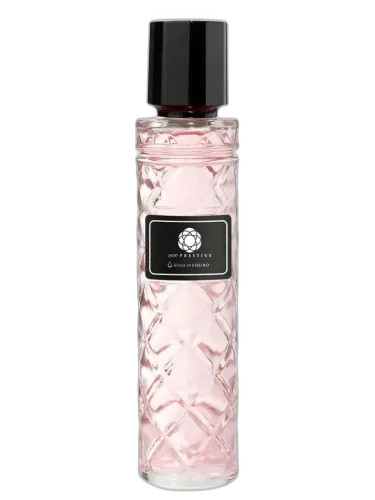
1920 Prestige Água De Cheiro
Shared top notes: bergamot, peach, plum
O Boticário
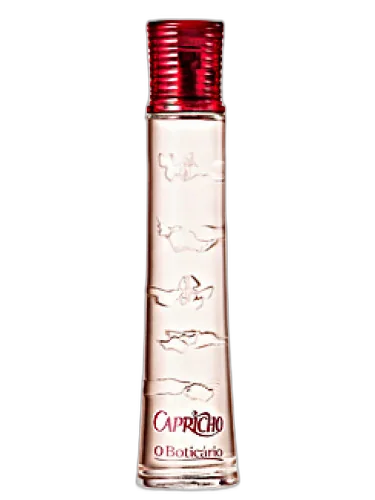
Capricho O Boticário
Shared top notes: bergamot, green notes

Montana
Suggestion Eau D'argent 1994 Montana
Shared top notes: bergamot, brazilian rosewood, green notes
Givenchy
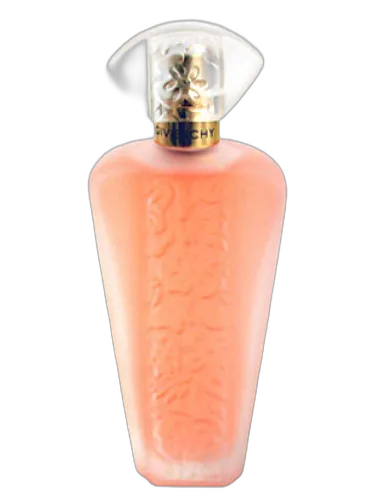
Fleur D'interdit Givenchy
Shared top notes: bergamot, green notes, peach