
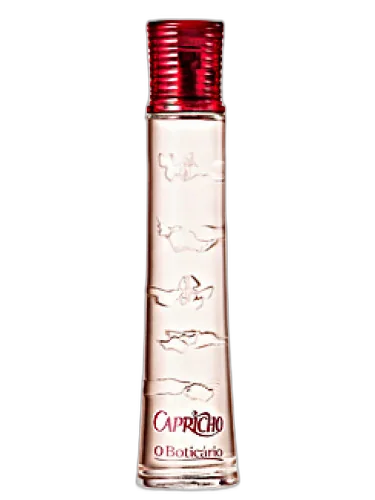

Capricho O Boticário
At a glance
Is Capricho O Boticário worth trying?
Capricho by O Boticário is a Floral Fruity fragrance for women.
- Best match
- Evening wear in Fall
- Zodiac
- Best for Virgo
- Performance feel
- Good longevity with Moderate sillage
- Signature profile
- green, fresh spicy, fruity with Red Fruits, Bergamot, Green Notes
The first impression
Capricho by O Boticário is a Floral Fruity fragrance for women. Capricho was launched in 2001. The nose behind this fragrance is Adilson Rato. Top notes are Red Fruits, Bergamot, Green Notes, Mint and Pepper; middle notes are Almond, Freesia, Tonka Bean, Cyclamen and Jasmine; base notes are Vanilla, Amber, Musk, Cedar and Sandalwood.
What shapes the scent
The perfumer behind it

Adilson Rato
Adilson Rato is a Brazilian perfumer known for his extensive work with Avon, where he has created many of the brand's popular fragrances. His style often balances fresh, energetic accords with warm, sensual undertones, making his scents versatile and widely appealing. Notable creations include Avon's Alpha, Attraction, and Herstory lines, as well as the limited-edition Musk + Storm.
Notes pyramid
Top Notes
First impression · 15-30 min
 Red Fruits
 Bergamot
 Green Notes
 Mint
Mint
 Pepper
Heart Notes
Core character · 2-4 hours
 Almond
 Freesia
 Tonka Bean
 Cyclamen
 Jasmine
Base Notes
Lasting impression · 4+ hours
 Vanilla
 Amber
Amber
 Musk
Musk
 Cedar
Cedar
 Sandalwood
The mood it creates
The Lover Archetype: Portrait of Capricho O Boticário
Essence
To wear Capricho O Boticário is to embrace the essence of the Lover archetype-a soul drawn to beauty, passion, and the intoxicating dance of desire. This fragrance, with its floral and fruity warmth, is not merely a scent but a declaration: a whisper of romance, a touch of nostalgia, a promise of pleasure. The person who chooses it does not merely wish to smell pleasant; they seek to seduce the world itself.
Shadow
Yet, like all archetypes, the Lover has a shadow-one of excess and dependency. Their pursuit of beauty can tip into vanity, their sensuality into indulgence. They may grow restless when life becomes too mundane, seeking out new thrills-whether in love, travel, or material pleasures-to stave off the emptiness that lurks beneath their vibrant exterior.
Their greatest flaw is perhaps their fear of being unloved. They may cling too tightly to relationships, fearing abandonment, or lose themselves in the desires of others, becoming a mirror rather than a self-defined individual. At their worst, they can be manipulative, using charm as a weapon, or melancholic, mourning lost loves with an intensity that borders on self-destruction.
Conclusion
Their life is an aesthetic pursuit, a devotion to the sensory richness of existence. They surround themselves with textures that beg to be touched-velvet cushions, silk scarves, the worn pages of poetry books. Their home is a sanctuary of soft lighting, fresh flowers, and carefully curated music-perhaps bossa nova or a melancholic piano piece-that lingers in the air like the perfume they wear.
They are drawn to the romantic and the ephemeral, finding beauty in fleeting moments: the golden hour before sunset, the first sip of wine shared with a kindred spirit, the scent of rain on warm pavement. Their philosophy is one of deep emotional engagement-they believe life should be felt, not merely endured.
In relationships, they are magnetic, often unintentionally so. Their presence is warm, their laughter infectious, their gaze lingering just a moment too long. They do not merely listen; they absorb the emotions of others, making people feel seen in a way few others can. Their love language is touch, taste, and shared experience-gifts are never just objects, but carefully chosen treasures meant to evoke a memory or a feeling.
If you like this, try these
Fragrances with a comparable profile - shared accords, notes, and character.
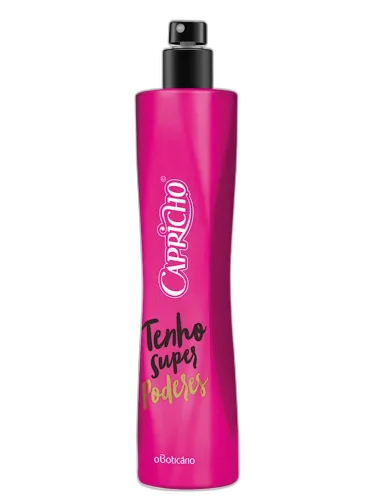
O Boticário
Capricho Tenho Super Poderes O Boticário
Shared top notes: bergamot, green notes, mint
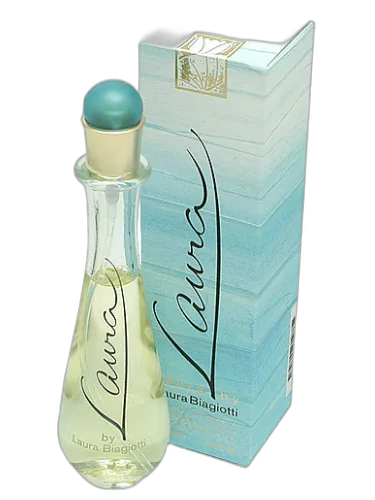
Laura Biagiotti
Laura Laura Biagiotti
Shared top notes: bergamot, green notes

Montana
Suggestion Eau D'or Montana
Shared top notes: bergamot, green notes
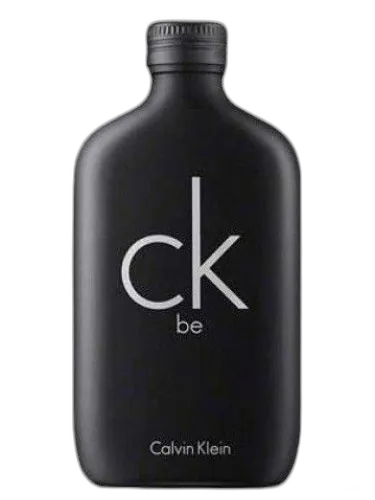
Calvin Klein
Ck Be Calvin Klein
Shared top notes: bergamot, green notes, mint

Ghalati
Attraction Ghalati
Shared top notes: bergamot