
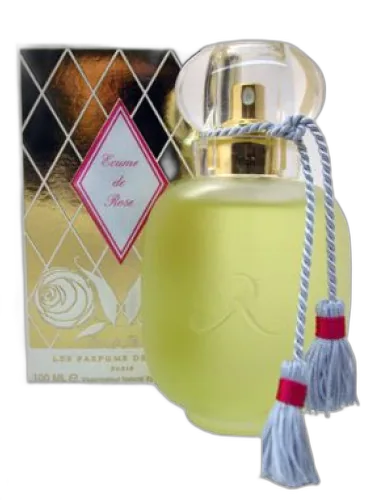

Ecume De Rose Les Parfums De Rosine
At a glance
Is Ecume De Rose Les Parfums De Rosine worth trying?
Ecume de Rose by Les Parfums de Rosine is a Floral Aquatic fragrance for women.
- Best match
- Casual wear in Spring
- Performance feel
- Moderate longevity with Moderate sillage
- Signature profile
- rose, aromatic, floral with Water Lily, Cassis, Rose
The first impression
Ecume de Rose by Les Parfums de Rosine is a Floral Aquatic fragrance for women. Ecume de Rose was launched in 2002. The nose behind this fragrance is François Robert. Top notes are Water Lily and Cassis; middle notes are Rose and Artemisia; base notes are Vetiver, Musk and Amber.
What shapes the scent
The perfumer behind it

François Robert
François Robert is a perfumer who has created fragrances for Bex London, Charlotte Tilbury, and Friedemodin. His work for Bex London includes a series of scents named after London postal codes, such as Londoner EC2 and SW1X, each capturing a distinct urban character. Robert also composed Scent of a Dream for Charlotte Tilbury and the floral Jardin Mystique for Friedemodin, showing a range from sophisticated cityscapes to romantic gardens.
Notes pyramid
Top Notes
First impression · 15-30 min
 Water Lily
 Cassis
Heart Notes
Core character · 2-4 hours
 Rose
Rose
 Artemisia
Base Notes
Lasting impression · 4+ hours
 Vetiver
 Musk
Musk
 Amber
Amber
The mood it creates
The Ecume De Rose Admirer Archetype: Portrait of Ecume De Rose Les Parfums De Rosine
Essence
The person who cherishes Ecume de Rose by Les Parfums de Rosine is most closely aligned with The Romantic archetype-a soul intoxicated by beauty, emotion, and the sublime. This is not mere sentimentality, but a deep, almost mythic reverence for the poetic dimensions of life. The Romantic does not simply wear a fragrance; they embody it, allowing the scent to become an extension of their inner world-a world where every sensation is heightened, every moment potentially transcendent.
Yet, like all archetypes, The Romantic has its shadow. Where there is ecstasy, there may also be melancholy; where there is idealism, disillusionment often lurks. The Romantic’s greatest strength-their capacity to feel deeply-can also be their undoing, as they risk drowning in their own emotions or becoming lost in fantasies that reality cannot sustain.
Relationships
In love, they are both enchanting and demanding. They crave a connection that feels fated, a meeting of souls rather than mere companionship. Their relationships are intense, suffused with poetic gestures-handwritten letters, unexpected gifts, whispered confessions under moonlit skies. Yet this very idealism can become a burden. They may grow impatient with the ordinary rhythms of partnership, restless when the initial magic fades into routine. Their shadow emerges when they mistake human imperfection for betrayal, when they demand from others the same depth they themselves embody.
Friendship, too, is a carefully curated affair. They do not collect acquaintances but cultivate kindred spirits-those who understand the language of symbolism, who can discuss a film or a scent with the same reverence others reserve for religion. They are loyal, but their standards are exacting. A careless word, a moment of vulgarity, can wound them more deeply than they admit.
Shadow
The Romantic’s greatest peril is disenchantment. When reality fails to match their vision, they may retreat into fantasy, growing distant or melancholic. They might indulge in nostalgia to the point of paralysis, mourning lost loves, missed opportunities, or eras they never lived in but long for nonetheless. At worst, they become the tragic figure-always yearning, never satisfied, mistaking their own sensitivity for a curse rather than a gift.
Yet even in their sorrow, there is a strange nobility. They suffer, yes, but they suffer beautifully. And when they learn to temper their idealism with wisdom-to love the world as it is, not as they wish it to be-they become something rare: a soul who does not just dream of beauty but embodies it, effortlessly, like the lingering trace of rose on skin long after the perfume has faded.
Conclusion
Their tastes are refined but never ostentatious. They prefer the delicate to the bold, the nuanced to the obvious. Ecume de Rose, with its aquatic freshness softening the voluptuousness of rose, mirrors their own duality-a spirit both tender and passionate. They are drawn to art that whispers rather than shouts: the watercolors of Turner, the nocturnes of Chopin, the prose of Virginia Woolf. Their home is a sanctuary of soft textures, muted colors, and carefully chosen objects-antique teacups, dried petals pressed between pages, a well-worn volume of Rilke on the bedside table.
Their philosophy is one of aesthetic devotion. They believe beauty is not frivolous but essential, a counterbalance to life’s inevitable harshness. They do not seek to escape reality but to elevate it, to find the sacred in the mundane. A morning coffee is not just caffeine; it is a ritual, the steam curling like incense. A walk in the rain is not just weather; it is an ephemeral ballet of droplets and light.
If you like this, try these
Fragrances with a comparable profile - shared accords, notes, and character.
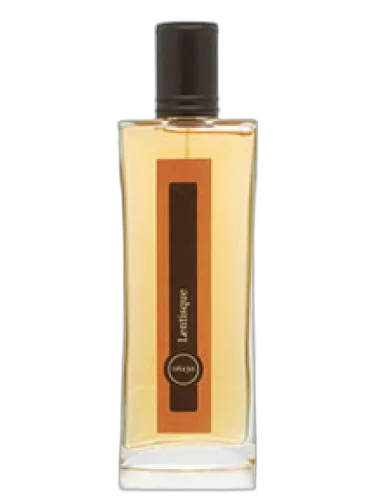
Parfums 06130
Lentisque Parfums 06130
Shared heart notes: rose
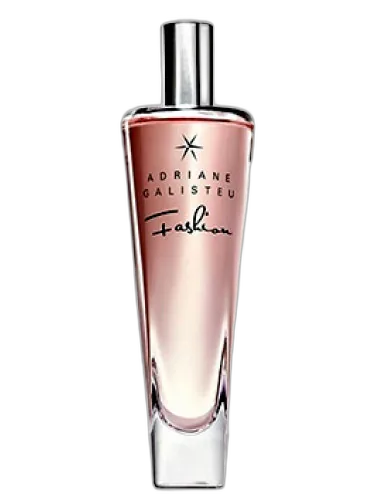
Jequiti
Adriane Galisteu Fashion Jequiti
Shared top notes: cassis
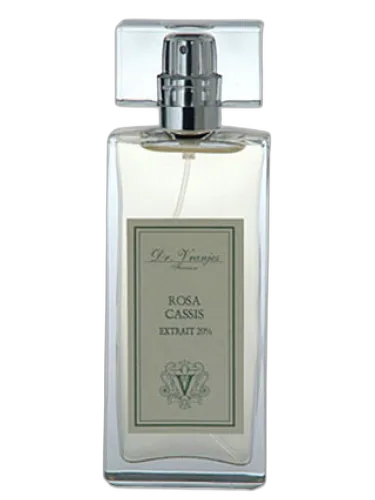
Dr. Vranjes Firenze
Rosa E Cassis Dr. Vranjes Firenze
Shared top notes: cassis
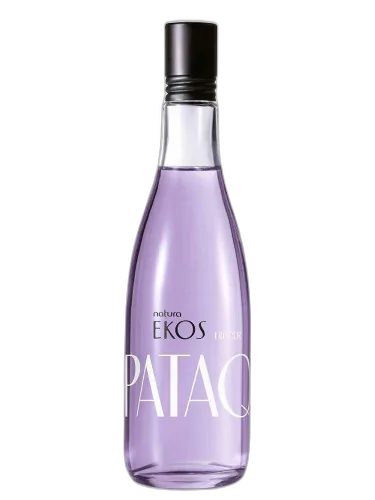
Natura
Frescor Pataqueira Natura
Shared top notes: cassis
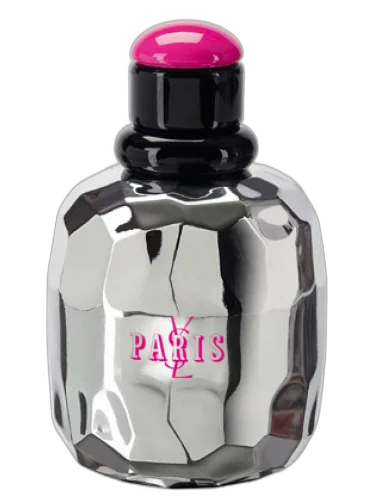
Yves Saint Laurent
Paris Rebel Collector 2014 Yves Saint Laurent
Shared heart notes: rose