
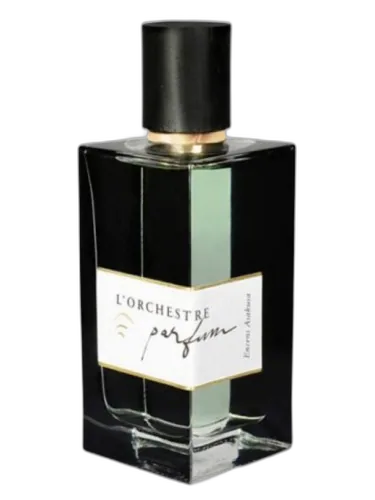
Encens Asakusa L'orchestre Parfum
Fragrance Story
Encens Asakusa by L'Orchestre Parfum is a Oriental Woody fragrance for women and men. Encens Asakusa was launched in 2017. Encens Asakusa was created by Anne-Sophie Behaghel and Amelie Bourgeois.
Composition Profile
About the Perfumer

Amelie Bourgeois
Amelie Bourgeois is a French perfumer known for her work with the niche houses Aether and Alexandre.J. Her style blends experimental, synthetic accords with natural elements, often exploring contrasts like citrus and musk or rose and alkanes. She created the Aether Oxyde and Carboneum compositions, as well as Alexandre.J’s Mandarine Sultane and Passion Bliss.
Fragrance Notes
All Notes
Complete scent profile
 Olibanum
White Musk
Olibanum
White Musk
 Myrrh
Myrrh
 Iris
Iris
 Cypress
 Violet
 Red Berries
Encens Asakusa L'orchestre Parfum by L'Orchestre Parfum offers a distinctive olfactory experience that stands out from other fragrances in its category.
Crafted with the finest ingredients and a blend of traditional and modern perfumery techniques, this fragrance represents the pinnacle of the perfumer's art.
Encens Asakusa L'orchestre Parfum embodies the distinctive style of L'Orchestre Parfum while adding a unique chapter to their fragrance portfolio.
Character Profile
The Sage Archetype: Portrait of Encens Asakusa L'orchestre Parfum
Essence
Encens Asakusa by L'Orchestre Parfum is a scent of quiet intensity-smoky, resinous, with the faintest whisper of spice and citrus. It does not announce itself with brashness but lingers like a thought half-remembered, an echo of something sacred. The person who chooses this fragrance is drawn to the interplay of depth and restraint, to the spaces between words, where meaning simmers beneath the surface. They are, at their core, a Sage-an archetype defined by wisdom, introspection, and the pursuit of truth.
Philosophy & Values
Truth is their guiding star. They despise dishonesty, not out of moral rigidity, but because falsehoods obscure understanding. They believe in the power of knowledge, but not knowledge for its own sake-rather, wisdom that transforms the self. They may be drawn to Eastern philosophy, Stoicism, or Jungian psychology, seeing life as a series of symbols to be deciphered.
They value silence as much as speech, finding meaning in pauses, in the unsaid. Their spirituality, if they have one, is private, rooted in personal experience rather than dogma. They are not necessarily religious, but they are deeply reverent toward the mysteries of existence.
Shadow
Yet, no archetype is without its darkness. The Sage’s pursuit of wisdom can become a retreat from life itself. They may grow overly detached, mistaking observation for participation, thinking about love instead of loving, analyzing pain instead of feeling it. Their introspection can curdle into self-absorption, their silence into emotional withdrawal.
They may also struggle with arrogance-the quiet conviction that they see more deeply than others, that their understanding elevates them above the mundane. This can isolate them, making them impatient with those who do not share their depth. Their quest for truth can become a refusal to accept ambiguity, leading them to dismiss what cannot be neatly categorized.
Conclusion
Their world is one of books, art, and hushed conversations that stretch into the early hours. They move through life with a measured grace, observing before speaking, listening to understand rather than to respond. Their tastes are refined but never ostentatious-a well-worn leather journal, a single piece of antique jewelry, a carefully curated bookshelf where philosophy mingles with poetry. They prefer dimly lit cafés to crowded bars, solitude to superficial chatter.
In relationships, they are selective but deeply loyal. They do not give their trust lightly, but once earned, it is unwavering. Their friendships are built on intellectual and emotional resonance; small talk exhausts them. Romantic partners must be willing to navigate their introspective nature-they are not the type to wear their heart on their sleeve, but their love, when given, is profound and enduring.
Similar Fragrances
Fragrances with a comparable profile - shared accords, notes, and character.

Headspace
Sauge Headspace Headspace
Shared accords: amber, aromatic, fresh spicy
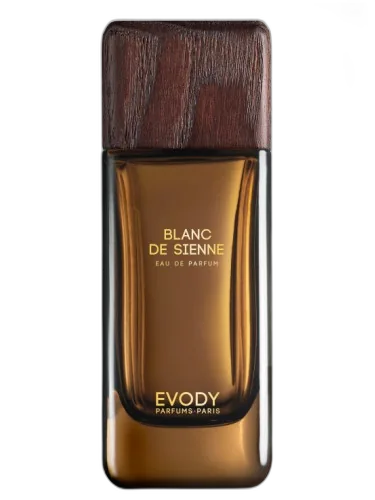
Evody Parfums
Blanc De Sienne Evody Parfums
Shared accords: amber, aromatic, balsamic
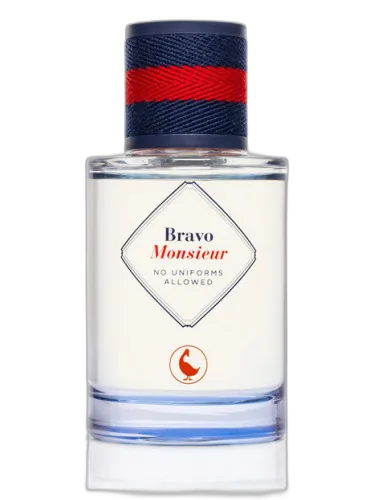
El Ganso
Bravo Monsieur El Ganso
Shared accords: amber, aromatic, balsamic
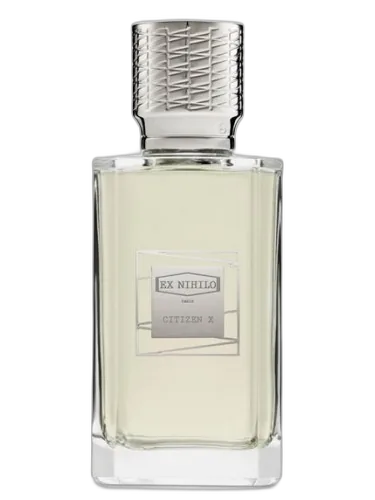
Ex Nihilo
Citizen X Ex Nihilo
Shared accords: amber, aromatic, balsamic
I Fiori Del Male
Iris Obscur I Fiori Del Male
Shared accords: amber, aromatic, balsamic