
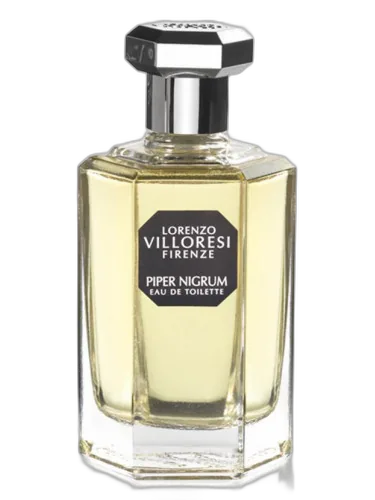

Piper Nigrum Lorenzo Villoresi
At a glance
Is Piper Nigrum Lorenzo Villoresi worth trying?
Piper Nigrum by Lorenzo Villoresi is a Oriental Spicy fragrance for women and men.
- Best match
- Evening wear in Fall
- Performance feel
- Excellent longevity with Strong sillage
- Signature profile
- fresh spicy, warm spicy, aromatic with Mint, Star Anise, Citruses
The first impression
Piper Nigrum by Lorenzo Villoresi is a Oriental Spicy fragrance for women and men. Piper Nigrum was launched in 1999. The nose behind this fragrance is Lorenzo Villoresi. Top notes are Mint, Star Anise, Citruses, Green Notes, Fennel and Watercress; middle notes are Pepper, Clove, Spices, Nutmeg, Rosemary, Elemi resin, Olibanum, Oregano and Petitgrain; base notes are Myrhh, Peru Balsam, Virginia Cedar, Woodsy Notes, Amber, Benzoin and Styrax.
What shapes the scent
The perfumer behind it

Lorenzo Villoresi
Lorenzo Villoresi is an Italian perfumer and founder of his namesake brand, known for a diverse portfolio that includes Gucci's Forever Now. His own creations range from Acqua Di Colonia to Incensi, Atman Xaman, and Dilmun, reflecting a deep exploration of Mediterranean, oriental, and aromatic themes. His work often balances tradition with personal artistic vision.
Notes pyramid
Top Notes
First impression · 15-30 min
 Mint
Mint
 Star Anise
 Citruses
 Green Notes
 Fennel
 Watercress
Heart Notes
Core character · 2-4 hours
 Pepper
Clove
Spices
Pepper
Clove
Spices
 Nutmeg
 Rosemary
Elemi resin
Olibanum
Rosemary
Elemi resin
Olibanum
 Oregano
 Petitgrain
Base Notes
Lasting impression · 4+ hours
Myrhh
 Peru Balsam
Virginia Cedar
Woodsy Notes
Peru Balsam
Virginia Cedar
Woodsy Notes
 Amber
Amber
 Benzoin
 Styrax
The mood it creates
The Sage Archetype: Portrait of Piper Nigrum Lorenzo Villoresi
Essence
To choose Piper Nigrum by Lorenzo Villoresi as one’s signature scent is to embrace paradox-warmth and sharpness, spice and depth, an aroma that is both ancient and immediate. This fragrance, with its peppery intensity softened by woody and resinous undertones, is not for the faint of spirit. It speaks of a person who values complexity, who finds beauty in the interplay of contrasts, and who seeks meaning beyond the superficial.
This individual is most closely aligned with the Sage archetype-the seeker of wisdom, the one who questions, analyzes, and distills truth from the noise of existence. Yet, like all archetypes, the Sage has its shadow: the risk of detachment, of over-intellectualization, of losing oneself in thought rather than action.
Relationships
They are not one for idle chatter. Their friendships are few but enduring, built on mutual respect for intellect and authenticity. Romantic partners must be their equals-not necessarily in knowledge, but in curiosity. They despise superficiality, though they may sometimes mistake another’s simplicity for shallowness.
Their love language is debate, shared silence, the exchange of well-worn books with underlined passages. They are fiercely loyal but demand independence, needing space to retreat into their own mind. This can make them seem distant, even cold-though those who know them well understand that their warmth is simply slow to kindle.
Shadow
The Sage’s greatest strength-their intellect-can also be their undoing. They may fall into the trap of believing that understanding a thing is the same as mastering it. They analyze emotions rather than feeling them, dissect relationships rather than surrendering to them. At their worst, they become the Hermit, isolating themselves in a fortress of thought, mistaking solitude for wisdom.
They may also struggle with impatience for those who do not share their depth of inquiry. A dismissive remark, an unspoken judgment-these are the cracks in their otherwise polished demeanor. Their sharp mind, which cuts through illusion, can just as easily wound.
Conclusion
Their tastes are deliberate, never accidental. They prefer the weight of a well-bound book to the fleeting glow of a screen, the richness of single-origin coffee to the convenience of instant brew. Their wardrobe is understated but precise-tailored fabrics in muted tones, perhaps a single statement piece (a vintage watch, a handcrafted ring) that hints at a deeper narrative.
Philosophy is not an abstract exercise for them but a lived experience. They might be drawn to Stoicism for its discipline, to Nietzsche for his defiance of dogma, or to Eastern thought for its embrace of paradox. They do not accept answers easily; they interrogate them, turning ideas over like stones to see what lies beneath.
If you like this, try these
Fragrances with a comparable profile - shared accords, notes, and character.
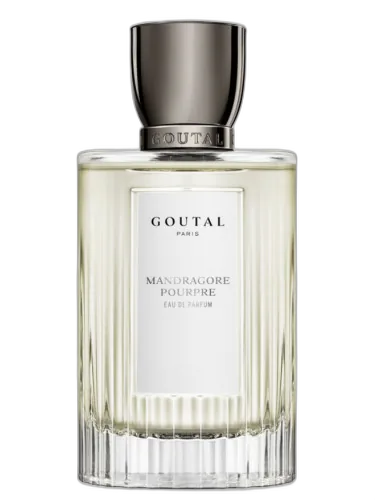
Goutal
Mandragore Pourpre Goutal
Shared top notes: mint, star anise
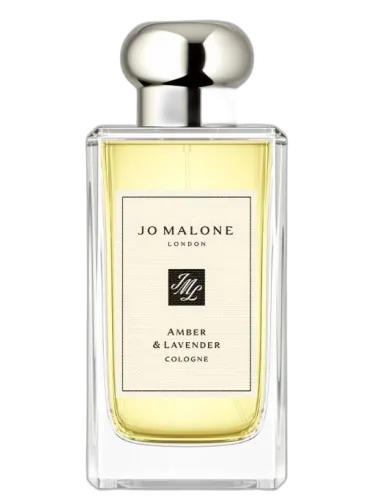
Jo Malone London
Amber & Lavender Jo Malone London
Shared top notes: mint
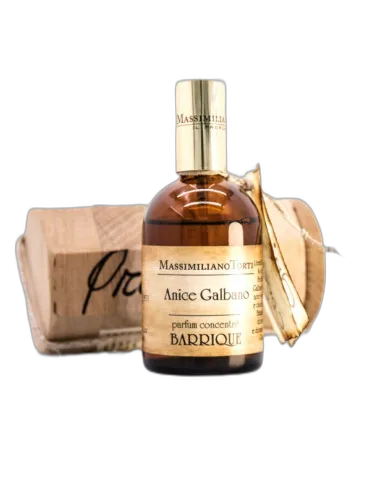
Il Profumiere
Anice Galbano Il Profumiere
Shared top notes: fennel, green notes, star anise
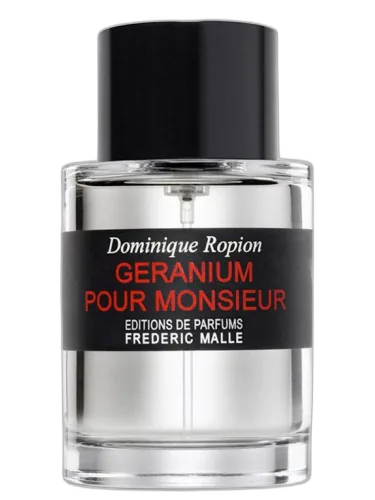
Frederic Malle
Geranium Pour Monsieur Frederic Malle
Shared top notes: mint, star anise
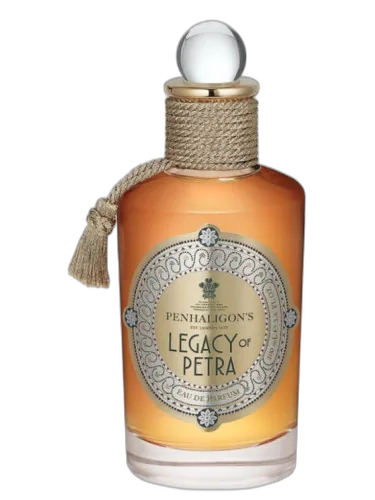
Penhaligon's
Legacy Of Petra Penhaligon's
Shared top notes: fennel