
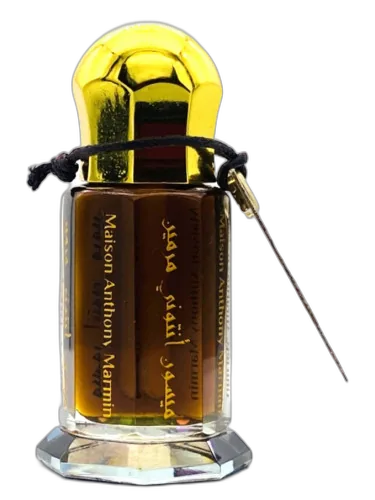

Oud Al Amir Maison Anthony Marmin
Fragrance Story
Oud Al Amir by Maison Anthony Marmin is a fragrance for men. The nose behind this fragrance is Anthony Abdul Karim Marmin.
Composition Profile
About the Perfumer

Anthony Abdul Karim Marmin
Anthony Abdul Karim Marmin is a perfumer closely associated with the house of Abdul Karim Al Faransi, where he has created a wide range of fragrances. His style spans bold, resinous compositions like Amber 4000 and Amber Afghani, as well as more complex, evocative scents such as Al Quds and Amazonia. Known for blending traditional Middle Eastern ingredients with modern accords, his work often features rich amber, oud, and spice notes.
Fragrance Notes
All Notes
Complete scent profile
 Cambodian Oud
 Woody Notes
 Honey
Honey
 Dried Fruits
 Smoke
Smoke
 Caramel
 Sweet Notes
Fruits
Sweet Notes
Fruits
Character Profile
The Sovereign Archetype: Portrait of Oud Al Amir Maison Anthony Marmin
Essence
To wear Oud Al Amir by Maison Anthony Marmin is to embrace an aura of regality, depth, and command. This fragrance-rich, woody, and enveloping-is not for the faint of heart. It is chosen by those who understand power, not as brute force, but as an invisible magnetism, an unspoken authority that lingers in the air long after they have left the room.
The dominant archetype here is The Ruler-a figure who thrives on order, influence, and mastery. Like the oud at the heart of their chosen scent, they are complex, layered, and enduring. The Ruler does not merely exist in the world; they shape it, consciously or not, through sheer presence. They are drawn to structure, legacy, and the quiet confidence of someone who knows their worth.
Yet, as with all archetypes, there is a shadow. The Ruler risks becoming the Tyrant-rigid, domineering, or lost in the illusion of control. The very qualities that make them formidable can isolate them, turning their strength into a fortress rather than a bridge.
Shadow
The Ruler’s greatest weakness is their reluctance to surrender-to spontaneity, to vulnerability, to the chaos that life inevitably brings. They may mistake adaptability for weakness, flexibility for instability. In their pursuit of mastery, they can become rigid, unable to tolerate perceived disorder.
This rigidity may manifest in subtle ways: impatience with inefficiency, frustration when plans unravel, or an unspoken expectation that others should meet their exacting standards. Their strength can become a cage, both for themselves and those around them.
Conclusion
This person moves through the world with deliberate grace. Their tastes are not loud but exacting-tailored suits in deep hues, minimalist watches, leather-bound books. They prefer understatement to ostentation, yet everything they own carries weight, a sense of permanence. Their home is not cluttered but curated: dark wood furniture, a well-stocked bar of aged spirits, perhaps a single painting that commands the room.
Philosophically, they believe in discipline as the path to freedom. They do not resent rules; they understand them, bend them, or rewrite them when necessary. Their values are rooted in loyalty, competence, and respect-qualities they demand from others as fiercely as they uphold them themselves.
In relationships, they are protective but not possessive. They do not give their trust lightly, but once earned, it is unshakable. Their love is not effusive but steady, a quiet force that others lean into. They attract those who seek strength, but they must be wary of becoming merely an anchor for others rather than a true companion.
Similar Fragrances
Fragrances with a comparable profile - shared accords, notes, and character.
Maison Anthony Marmin
Oud Al Amir Maison Anthony Marmin
Shared accords: animalic, fruity, honey
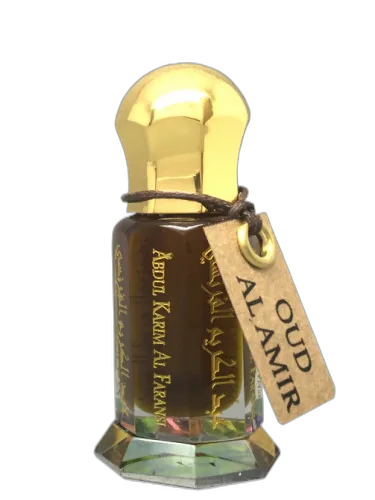
Abdul Karim Al Faransi
Oud Al Amir Abdul Karim Al Faransi
Shared accords: animalic, fruity, honey

Abdul Karim Al Faransi
Wild Oud Cambodi Abdul Karim Al Faransi
Shared accords: animalic, fruity, honey
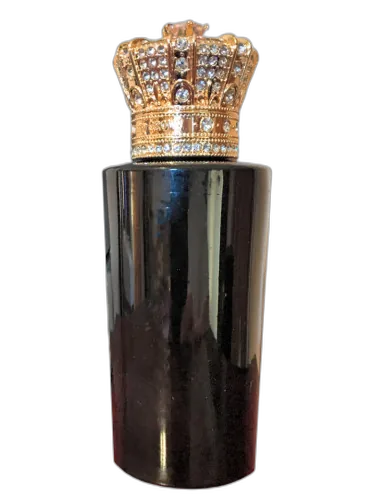
Royal Crown
Oud Al Ain Royal Crown
Shared accords: animalic, fruity, smoky
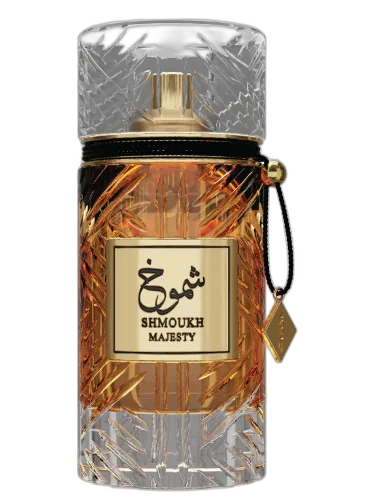
FAAN
Shmoukh Majesty Faan
Shared accords: animalic, smoky, sweet