


Oud Sumatra Maison Anthony Marmin
At a glance
Is Oud Sumatra Maison Anthony Marmin worth trying?
Oud Sumatra by Maison Anthony Marmin is a fragrance for men.
- Best match
- Evening wear in Fall
- Performance feel
- Excellent longevity with Strong sillage
- Signature profile
- oud, woody, citrus with Agarwood (Oud), Green Notes, Woody Notes
The first impression
Oud Sumatra by Maison Anthony Marmin is a fragrance for men. The nose behind this fragrance is Anthony Abdul Karim Marmin.
What shapes the scent
The perfumer behind it

Anthony Abdul Karim Marmin
Anthony Abdul Karim Marmin is a perfumer closely associated with the house of Abdul Karim Al Faransi, where he has created a wide range of fragrances. His style spans bold, resinous compositions like Amber 4000 and Amber Afghani, as well as more complex, evocative scents such as Al Quds and Amazonia. Known for blending traditional Middle Eastern ingredients with modern accords, his work often features rich amber, oud, and spice notes.
Notes pyramid
All Notes
Complete scent profile
 Agarwood (Oud)
 Green Notes
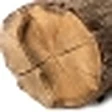 Woody Notes
 Lemongrass
 Orange
 Patchouli
 Almond
 Watery Notes
The mood it creates
The Mystic Archetype: Portrait of Oud Sumatra Maison Anthony Marmin
Essence
This person is most closely aligned with the Mystic-a seeker of depth, drawn to the unseen, the sacred, and the enigmatic. Oud Sumatra, with its smoky, resinous, and almost sacramental aura, resonates with their soul. It is not merely a fragrance but an invocation, a bridge between the material and the ineffable. The Mystic does not wear scent; they commune with it.
Style & Aesthetic
Their aesthetic is deliberate, tactile, and timeless. They favor garments that age beautifully-raw silk, aged leather, linen softened by wear. Their home is a sanctuary of textured minimalism: low light, wooden surfaces darkened by time, incense lingering in the air. They collect objects not for status, but for the stories they carry-antique brass, well-thumbed books, a single piece of amber holding a fossilized secret.
In music, they lean toward the hypnotic and meditative-droning strings, Sufi chants, or the deep resonance of a Tibetan singing bowl. Their palate craves the bitter and the complex-black coffee, dark chocolate, the smokiness of lapsang souchon tea.
Their days are structured around ritual. Morning may begin with meditation, the lighting of a candle, the slow application of oud oil-each act a deliberate pause. They move through the world with measured grace, avoiding haste, for they believe that true presence requires slowness.
Work, if they choose it, must have meaning beyond profit. They may be drawn to craftsmanship, healing arts, or philosophy-anything that allows them to delve beneath the surface. But they must guard against passive observation; the Mystic’s danger is becoming so absorbed in contemplation that they forget to act.
Philosophy & Values
Their worldview is one of sacred materialism-they find the divine in the tangible, whether in the grain of aged wood, the texture of handwoven fabric, or the slow burn of oud on skin. They reject superficiality, not out of elitism, but because they crave meaning in substance. Their values are rooted in authenticity, introspection, and a quiet reverence for the mysteries of existence.
Yet, this depth comes with a shadow: a tendency toward withdrawal. The world, with its noise and haste, often disappoints them. They may retreat into solitude, not always by necessity, but sometimes as a defense against the trivial.
Relationships
They do not seek many companions, but those they choose are keepers of depth. Their friendships are slow to form but enduring, built on shared silences as much as shared words. Romantic partners must understand their need for solitude-not as rejection, but as a sacred space where they replenish.
Yet, their introspective nature can make them elusive, even to those who love them. They may struggle with emotional transparency, preferring the symbolic over the direct. At worst, they risk becoming isolated prophets, speaking in riddles no one else understands.
Shadow
The Mystic’s strength is their depth-their weakness is escapism. When reality becomes too harsh, they may vanish into inner worlds, leaving responsibilities unattended. Their love of the esoteric can tip into dogmatism, dismissing anything mundane as unworthy.
Yet, when balanced, they are alchemists of the ordinary, revealing the sacred in everyday life. Their presence is a quiet reminder that beauty and meaning are not found in excess, but in what lingers, what smolders, what endures.
Conclusion
Oud Sumatra is not an accessory for them-it is an extension of their essence. Its smokiness mirrors their contemplative nature; its longevity reflects their patience; its rarity speaks to their refusal to conform. They are not of this time, yet entirely present within it-a paradox as rich and layered as the fragrance they wear.
If you like this, try these
Fragrances with a comparable profile - shared accords, notes, and character.
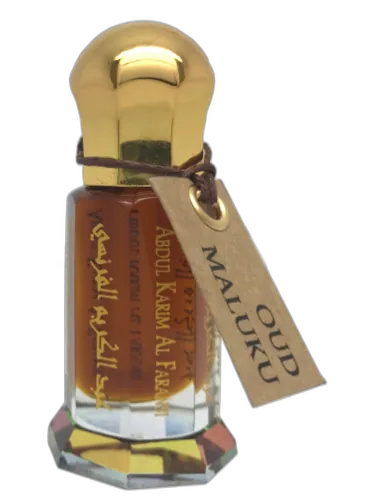
Abdul Karim Al Faransi
Oud Maluku Abdul Karim Al Faransi
Shared top notes: agarwood (oud), green notes, lemongrass
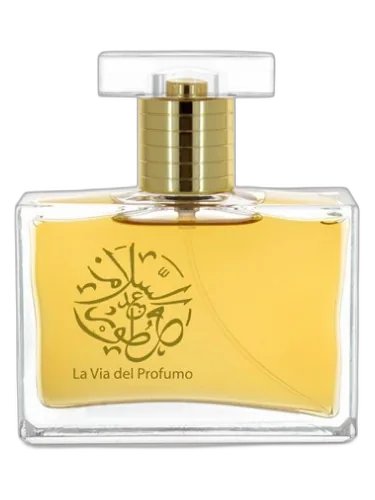
Abdes Salaam Attars Perfumes
Oud Caravan No 1 Abdes Salaam Attars Perfumes
Shared top notes: agarwood (oud), patchouli

Maison Anthony Marmin
Oud Assam Maison Anthony Marmin
Shared top notes: agarwood (oud), patchouli, watery notes
ABD Malik
Tobacco & Oud Abd Malik
Shared top notes: agarwood (oud), patchouli, woody notes
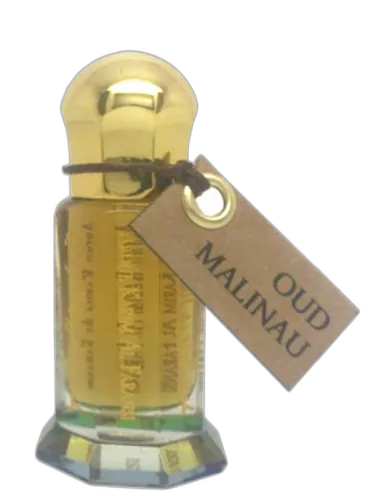
Abdul Karim Al Faransi
Oud Malinau Abdul Karim Al Faransi
Shared top notes: agarwood (oud), green notes, watery notes