
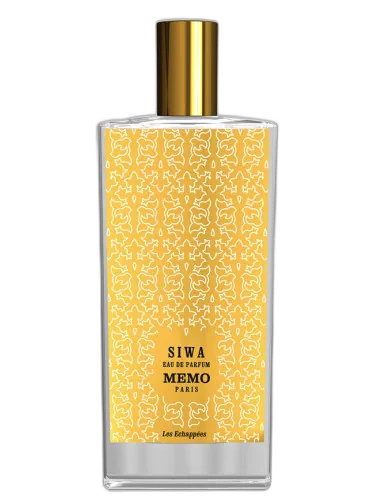
Siwa Memo Paris
At a glance
Is Siwa Memo Paris worth trying?
Siwa by Memo Paris is a Oriental fragrance for women.
- Best match
- Evening wear in Winter
- Performance feel
- Excellent longevity with Strong sillage
- Signature profile
- vanilla, whiskey, yellow floral with Aldehydes, Violet Leaf, Whiskey
The first impression
Siwa by Memo Paris is a Oriental fragrance for women. Siwa was launched in 2007. The nose behind this fragrance is Alienor Massenet. Top notes are Aldehydes and Violet Leaf; middle notes are Whiskey, Narcissus and Cinnamon; base notes are Vanilla, Popcorn and Musk.
What shapes the scent
The perfumer behind it

Alienor Massenet
Alienor Massenet is a French perfumer known for her work with major fragrance houses, including Givaudan. Her style balances modern elegance with subtle complexity, often highlighting floral and woody contrasts. Notable creations include the luminous Rose Lumiere for Armand Basi and the enigmatic Black Swan for Brocard.
Notes pyramid
Top Notes
First impression · 15-30 min
 Aldehydes
 Violet Leaf
Heart Notes
Core character · 2-4 hours
 Whiskey
 Narcissus
 Cinnamon
Base Notes
Lasting impression · 4+ hours
 Vanilla
 Popcorn
 Musk
Musk
The mood it creates
The Wanderer Archetype: Portrait of Siwa Memo Paris
Essence
The one who chooses Siwa by Memo Paris is drawn to the scent’s golden warmth-amber, vanilla, and incense swirling like desert winds over ancient ruins. This fragrance is not merely worn; it is an invocation, a whispered promise of something beyond the mundane. At their core, this person is the Seeker, an archetype defined by restlessness, curiosity, and an unquenchable thirst for meaning. They are not content with the well-trodden path; they crave the uncharted, the mystical, the sublime.
Style & Aesthetic
Their style is an elegant paradox-bohemian yet refined, earthy yet luxurious. They favor flowing fabrics, artisanal jewelry, and textures that tell a story: handwoven silks, aged leather, the patina of time. Their home is a sanctuary of curated treasures-Moroccan rugs, incense burners, well-thumbed books on philosophy and myth. They drink spiced tea from hammered copper cups and prefer vinyl records to digital streams, savoring the ritual as much as the experience.
In art and music, they gravitate toward the evocative-the poetry of Rumi, the paintings of Klimt, the compositions of Debussy. Their taste is not merely aesthetic but symbolic; every object is a talisman, a fragment of a larger narrative they are piecing together.
They thrive in cities with ancient souls-Marrakech, Istanbul, Kyoto-places where past and present blur. Yet they are equally at home in remote cabins, where silence amplifies their inner voice. Their career is unconventional: perhaps a writer, a perfumer, a guide for spiritual retreats. Money is secondary to meaning; they would rather barter skills than chain themselves to a desk.
They move through the world with quiet intensity, leaving impressions rather than footprints. Their life is a series of departures and returns, each journey refining their essence like incense smoke curling toward the sky.
Philosophy & Values
For them, life is a pilgrimage. They reject dogma but revere wisdom, weaving together threads from Eastern mysticism, Western philosophy, and indigenous traditions. They believe in the sacredness of the journey itself-not the destination. Their values are fluid, shaped by experience rather than doctrine. Authenticity is paramount; they despise pretense, though they are not immune to it.
They are drawn to the liminal-the spaces between waking and dreaming, the sacred and the profane. Their spirituality is experiential: meditation at dawn, solitary walks in the wilderness, the silent reverence of an empty cathedral. They seek not answers, but better questions.
Relationships
Their relationships are deep but transient, like campfires in the desert-warm, illuminating, but never permanent. They attract kindred spirits: artists, mystics, fellow wanderers. Yet intimacy is a double-edged sword; they crave connection but fear confinement. Their love is passionate but ephemeral, leaving behind traces of incense and longing.
They are fiercely loyal to those who understand their need for space, but they struggle with routine. Partners may find them enchanting yet elusive, their heart a mirage that recedes as one approaches. Their shadow here is a reluctance to commit-not out of malice, but out of an unconscious belief that settling is a kind of death.
Shadow
But every Seeker risks becoming the Exile-one who wanders not out of purpose, but out of avoidance. Their strength-independence-can calcify into isolation. Their disdain for convention may harden into contempt for those who choose stability. At their worst, they romanticize their own rootlessness, mistaking motion for progress.
They may grow weary, haunted by the question: What if I’ve been seeking not because the truth is out there, but because I fear what I’ll find within?
Conclusion
Yet in their finest moments, they embody the alchemist’s dream-turning wanderlust into wisdom, solitude into self-knowledge. Siwa is their olfactory sigil, a reminder that the sacred is not hidden in some distant temple, but in the act of seeking itself. They are the ones who teach us that the journey is the destination-and that the most profound discoveries are often those we carry within.
If you like this, try these
Fragrances with a comparable profile - shared accords, notes, and character.
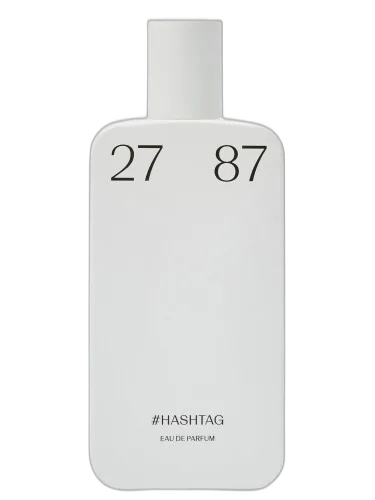
27 87
#hashtag 27 87
Shared top notes: aldehydes, violet leaf
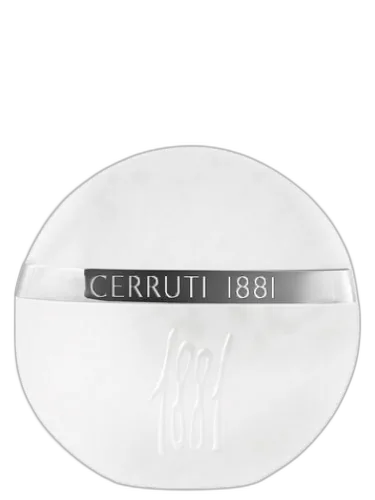
Cerruti
1881 Edition Blanche Cerruti
Shared top notes: violet leaf
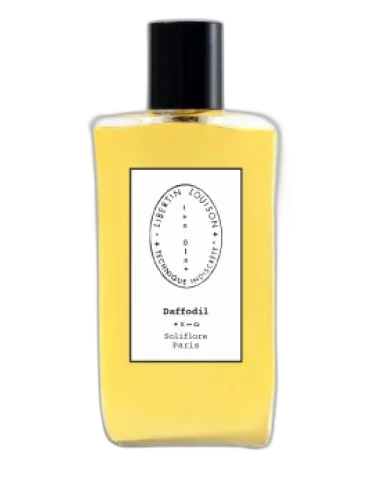
Libertin Louison Technique Indiscrete
Daffodil Libertin Louison Technique Indiscrete
Shared top notes: aldehydes
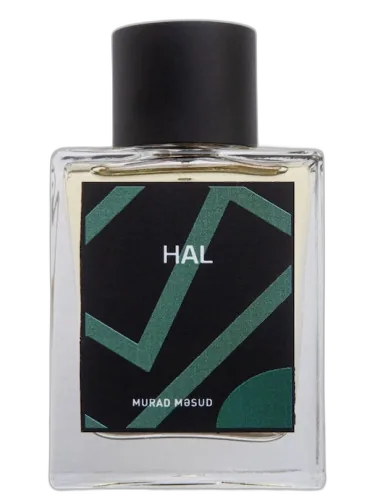
Murad Mesud
Hal Murad Mesud
Shared heart notes: whiskey
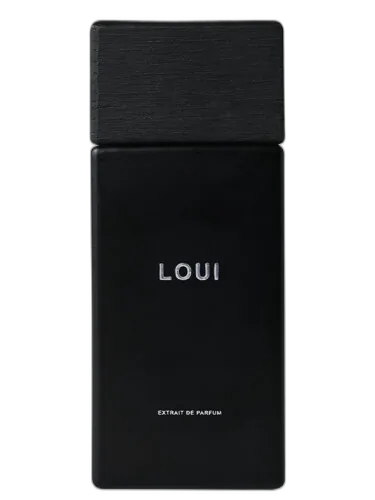
SAFF & Co.
Loui Saff & Co.
Shared top notes: aldehydes, violet leaf