
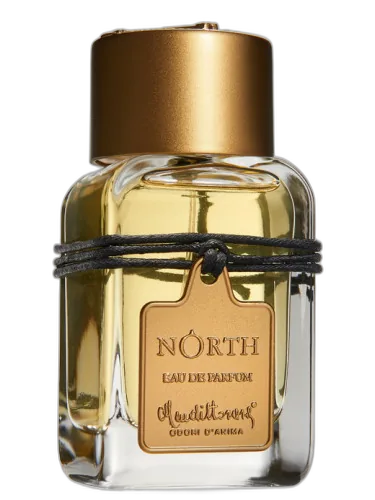

North Mendittorosa
At a glance
Is North Mendittorosa worth trying?
North by Mendittorosa is a Floral Woody Musk fragrance for women and men.
- Best match
- Evening wear in Fall
- Performance feel
- Good longevity with Moderate sillage
- Signature profile
- woody, fresh spicy, aromatic with Atlas Cedar, Virginian Cedar, Aldehydes
The first impression
North by Mendittorosa is a Floral Woody Musk fragrance for women and men. North was launched in 2013. The nose behind this fragrance is Anne-Sophie Behaghel.
What shapes the scent
The perfumer behind it

Anne-Sophie Behaghel
Anne-Sophie Behaghel is a French perfumer known for her work with independent and niche fragrance houses. Her style often blends natural and synthetic elements to create bold, textural compositions with a modern edge. She has created distinctive scents for Adi Ale Van, including the floral-powdery Hai Hui Flower Power and the earthy Mioritic, as well as the mineral-driven Sel d'Argent for BDK Parfums. Her work continues to push boundaries in contemporary perfumery.
Notes pyramid
All Notes
Complete scent profile
 Atlas Cedar
 Virginian Cedar
 Aldehydes
Black Pepper
Ozonic notes
Aldehydes
Black Pepper
Ozonic notes
 Nutmeg
Haitian Vetiver
Calabrian bergamot
Nutmeg
Haitian Vetiver
Calabrian bergamot
 Patchouli
 Floral Notes
 Jasmine
The mood it creates
The Sage Archetype: Portrait of North Mendittorosa
Essence
To wear North Mendittorosa is to embrace the scent of solitude-a fragrance of cold stone, distant forests, and the quiet before dawn. It is not for those who seek warmth in crowds but for those who find meaning in the spaces between words, in the silence of contemplation. The person who chooses this scent is drawn to the Sage archetype, the seeker of hidden truths, the one who walks the path of wisdom with a measured step.
Shadow
Yet wisdom has its price. The Sage’s greatest strength-their ability to stand apart-can also be their greatest flaw. Detachment can become isolation, solitude can harden into aloofness. They may struggle with emotional intimacy, preferring the safety of ideas over the messiness of feelings. Their love of silence can turn into withdrawal, leaving others feeling shut out, unable to reach them.
There is also the danger of intellectual pride, the belief that their way of seeing the world is superior. They may dismiss those who think differently as shallow or unenlightened, forgetting that wisdom is not the sole property of the solitary. At their worst, they can become cold, overly critical, retreating into their own mind like a fortress, leaving warmth and spontaneity behind.
Their days are structured but not rigid, shaped by rituals that ground them-morning tea in silence, long walks with no destination, the slow turning of pages in the evening. They are drawn to places of quiet grandeur: mist-covered mountains, ancient libraries, empty cathedrals at dusk. They do not fear loneliness, but they must be wary of mistaking it for enlightenment.
The North Mendittorosa wearer is not a hermit by necessity but by choice. They understand that the deepest truths are often found in the spaces between people, in the unspoken, in the pause before speech. Yet they must remember that wisdom, if kept too tightly, becomes a cage. To live fully, they must sometimes step out of the shadows and into the light-not to abandon their solitude, but to ensure it does not become a prison.
In the end, they are both the observer and the observed, the one who stands at the edge of the firelight, content to watch-but wise enough to know when to step forward and feel its warmth.
Conclusion
This is a person who values depth over breadth, who would rather know one thing profoundly than many things superficially. Their mind is a labyrinth of thought, always turning inward, always questioning. They are not swayed by trends or the clamor of popular opinion; their tastes are deliberate, refined, yet never ostentatious. In fashion, they favor muted tones, textures that suggest age and endurance-wool, linen, leather worn smooth by time. Their home is sparse but meaningful: a few well-chosen books, a single piece of art that speaks to them, a space designed for thought rather than display.
Philosophy is not an abstract exercise for them but a way of living. They might be drawn to Stoicism, Zen Buddhism, or the existentialists, not as doctrines to follow blindly but as tools to sharpen their own understanding. They believe in the power of silence, in the idea that truth is often found not in answers but in the willingness to sit with the question.
In relationships, they are loyal but not clingy, valuing independence in themselves and others. They do not seek constant companionship but rather the rare connection that requires no explanation. Their love is quiet, expressed in gestures rather than declarations-a book left on a pillow, a shared glance that carries more weight than words.
If you like this, try these
Fragrances with a comparable profile - shared accords, notes, and character.
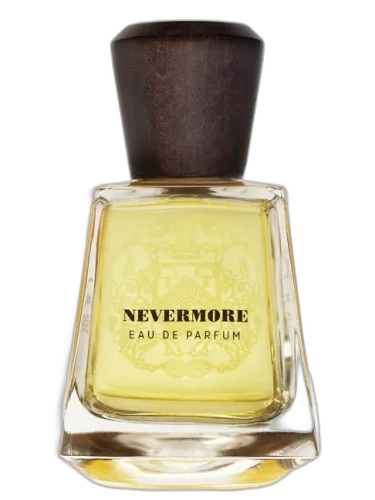
Frapin
Nevermore Frapin
Shared top notes: aldehydes, atlas cedar, black pepper

Perfumer H
Bergamot Perfumer H
Shared top notes: aldehydes, calabrian bergamot
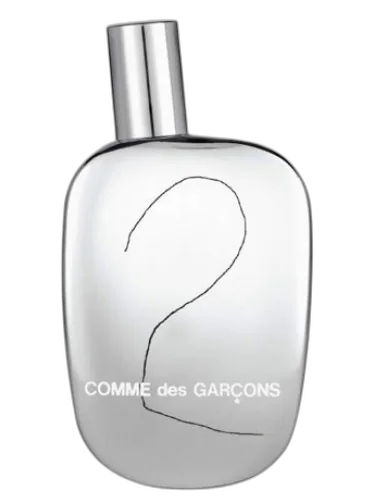
Comme des Garcons
Comme Des Garcons 2 Comme Des Garcons
Shared top notes: aldehydes

Alfred Dunhill
Dunhill Edition Alfred Dunhill
Shared top notes: nutmeg
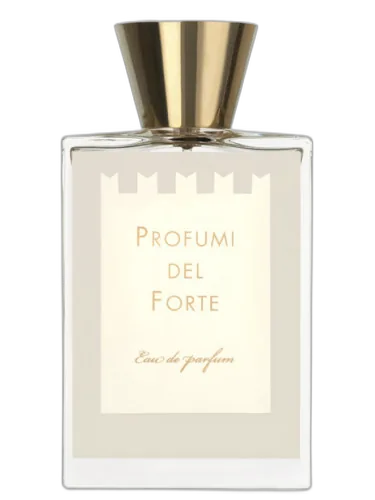
Profumi del Forte
Prima Rugiada Profumi Del Forte
Shared top notes: aldehydes, black pepper, calabrian bergamot