
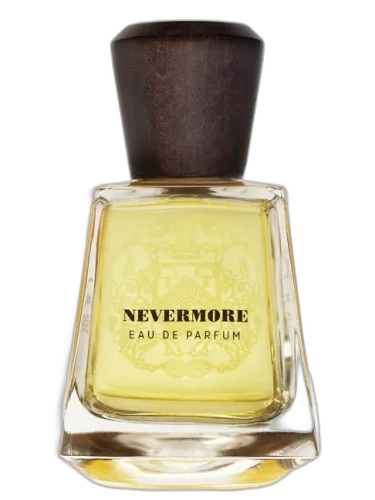
Nevermore Frapin
At a glance
Is Nevermore Frapin worth trying?
Nevermore by Frapin is a Floral Woody Musk fragrance for women and men.
- Best match
- Evening wear in Fall
- Performance feel
- Good longevity with Moderate sillage
- Signature profile
- fresh spicy, warm spicy, rose with Rose, Black Pepper, Nutmeg
The first impression
Nevermore by Frapin is a Floral Woody Musk fragrance for women and men. Nevermore was launched in 2014. The nose behind this fragrance is Anne-Sophie Behaghel.
What shapes the scent
The perfumer behind it

Anne-Sophie Behaghel
Anne-Sophie Behaghel is a French perfumer known for her work with independent and niche fragrance houses. Her style often blends natural and synthetic elements to create bold, textural compositions with a modern edge. She has created distinctive scents for Adi Ale Van, including the floral-powdery Hai Hui Flower Power and the earthy Mioritic, as well as the mineral-driven Sel d'Argent for BDK Parfums. Her work continues to push boundaries in contemporary perfumery.
Notes pyramid
All Notes
Complete scent profile
 Rose
Rose
 Black Pepper
 Nutmeg
 Saffron
 Aldehydes
 Atlas Cedar
 Amber
Amber
The mood it creates
The Sage Archetype: Portrait of Nevermore Frapin
Essence
The person who cherishes Nevermore by Frapin is most closely aligned with the Sage archetype-a seeker of truth, wisdom, and depth. This fragrance, with its dark, intellectual blend of ink, leather, and incense, speaks to someone who values contemplation, solitude, and the mysteries of existence. The Sage does not merely consume knowledge; they dissect it, question it, and often find themselves at odds with the superficiality of the world. Yet, like all archetypes, the Sage has a shadow-one that can slip into detachment, cynicism, or even a self-imposed exile from human warmth.
Style & Aesthetic
Their tastes are refined but never ostentatious. They favor dark, textured aesthetics-worn leather-bound books, vintage typewriters, dimly lit rooms with heavy drapes. Their wardrobe leans toward timeless, slightly austere pieces: tailored wool coats, structured blazers, perhaps a single piece of antique jewelry with a story behind it.
In art, they are drawn to symbolism and melancholy-the paintings of Caspar David Friedrich, the poetry of Baudelaire, the films of Tarkovsky. Music for them is an atmospheric experience-perhaps the brooding compositions of Arvo Pärt or the haunting vocals of Chelsea Wolfe. They do not seek entertainment; they seek resonance.
They thrive in environments that allow for solitude and reflection-a quiet study, a secluded cabin, a dimly lit café in the early hours. Their daily rituals are deliberate: strong black coffee, long walks without destination, journaling in ink-stained notebooks. They may work in academia, writing, or another field that rewards deep thought, though they often chafe at institutional constraints.
Their shadow side manifests in procrastination and paralysis. The Sage’s love of contemplation can become a trap-endless analysis without action. They may delay decisions, waiting for perfect clarity that never comes, or they may dismiss practical concerns as beneath them, leaving their material life in disarray.
Philosophy & Values
This individual moves through life with the quiet intensity of a philosopher who has seen too much to be easily satisfied. They are drawn to the esoteric, the overlooked, and the paradoxical. Their mind is a labyrinth of half-formed theories, literary references, and existential musings. They do not believe in easy answers, preferring instead the tension of unanswered questions.
Their values revolve around authenticity-they despise pretense, small talk, and the performative nature of social niceties. They respect those who think deeply, speak honestly, and act with intention. Yet this very idealism can make them impatient with those who lack intellectual rigor or emotional depth.
Relationships
They are not a social butterfly, nor do they wish to be. Their relationships are few but intense, built on mutual intellectual stimulation and emotional honesty. They attract-and are attracted to-people who are unafraid of darkness, who can engage in conversations about death, desire, and the absurdity of existence without flinching.
Yet their shadow emerges in their tendency to withdraw. When disappointed (and they often are, for their standards are high), they retreat into solitude, convincing themselves that most people are incapable of true depth. This can lead to a self-fulfilling prophecy-their aloofness pushes others away, reinforcing their belief in human superficiality.
Shadow
The Sage’s greatest weakness is their disdain for the mundane. They risk becoming the Cynic-mocking what they cannot change, withdrawing into bitterness rather than engaging with the flawed world. At their worst, they may adopt a hermit-like existence, convinced that true understanding can only be found in isolation.
Yet if they integrate their shadow, they learn that wisdom is not just in questioning, but in choosing to live-to embrace imperfection, to engage with the world even when it disappoints. The true Sage does not merely observe life; they participate in it, bringing their depth into the light rather than hoarding it in darkness.
Conclusion
Nevermore is not a scent for the casual wearer-it is for one who walks the line between brilliance and isolation, who finds beauty in the melancholy and wisdom in the unresolved. The Sage who wears it is both a thinker and a wanderer, forever drawn to the edges of understanding. Their challenge-and their redemption-lies in remembering that even the deepest mind must sometimes return to the warmth of human touch.
If you like this, try these
Fragrances with a comparable profile - shared accords, notes, and character.
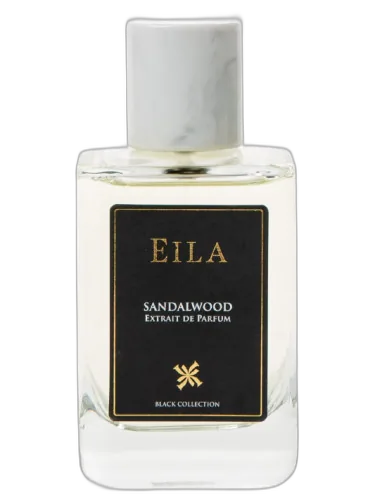
Eila
Sandalwood Eila
Shared top notes: nutmeg, rose, saffron
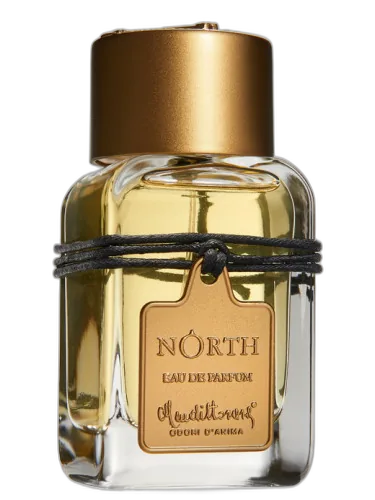
Mendittorosa
North Mendittorosa
Shared top notes: aldehydes, atlas cedar, black pepper
Goldfield & Banks Australia
White Sandalwood Goldfield & Banks Australia
Shared top notes: amber, saffron

Natura
Homem Cor.agio Natura
Shared top notes: black pepper, nutmeg
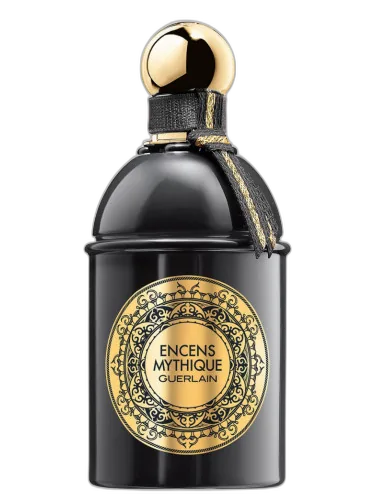
Guerlain
Les Absolus D'orient Encens Mythique Guerlain
Shared top notes: aldehydes, rose, saffron