


Wonderlust Michael Kors
At a glance
Is Wonderlust Michael Kors worth trying?
Wonderlust by Michael Kors is a Oriental Floral fragrance for women.
- Best match
- Evening wear in Fall
- Performance feel
- Good longevity with Moderate sillage
- Signature profile
- almond, powdery, woody with Almond Milk, Bergamot, Pink Pepper
The first impression
Wonderlust by Michael Kors is a Oriental Floral fragrance for women. Wonderlust was launched in 2016. Wonderlust was created by Aurélien Guichard, Honorine Blanc and Alexis Grugeon. Top notes are Almond Milk, Bergamot and Pink Pepper; middle notes are Heliotrope, Jasmine Sambac and Carnation; base notes are Sandalwood, Cashmere Wood and Benzoin.
What shapes the scent
The perfumer behind it

Alexis Grugeon
Alexis Grugeon is a French perfumer known for his work with major houses like Amouage, Cacharel, and Bath & Body Works. His style balances bold, modern compositions with refined elegance, often blending unexpected contrasts. Notable creations include the opulent Amouage Opus XV - King Blue and the vibrant Cacharel Yes I Am Bloom Up!
Notes pyramid
Top Notes
First impression · 15-30 min
 Almond Milk
 Bergamot
 Pink Pepper
Heart Notes
Core character · 2-4 hours
 Heliotrope
Jasmine Sambac
Heliotrope
Jasmine Sambac
 Carnation
Base Notes
Lasting impression · 4+ hours
 Sandalwood
Cashmere Wood
Sandalwood
Cashmere Wood
 Benzoin
The mood it creates
The Wanderer Archetype: Portrait of Wonderlust Michael Kors
Essence
The one who wears Wonderlust by Michael Kors is not merely a traveler in the physical sense-though they may well be-but a seeker of the unseen, a collector of experiences, a soul drawn to the horizon not for conquest, but for the promise of transformation. This fragrance, with its warm spices, creamy coconut, and ambered depth, is the olfactory signature of a person who thrives on movement, discovery, and the intoxicating allure of the unknown. Their archetype is unmistakable: The Wanderer.
To the Wanderer, life is not a fixed destination but an unfolding path. They are defined by curiosity, independence, and an insatiable hunger for novelty. Their philosophy is one of fluidity-they resist stagnation, whether in thought, place, or relationship. They are not reckless, but deliberate in their pursuit of freedom, always ensuring they have room to pivot, to change course, to follow the whisper of a new idea.
Their tastes reflect this restlessness. They favor textures that evoke movement-soft leather, flowing fabrics, the kind of effortless elegance that suggests they could board a plane at a moment’s notice. Their style is polished but never stiff, blending bohemian ease with metropolitan sophistication. They might wear a cashmere wrap one day and a linen shirt the next, always adapting, never confined.
In relationships, they are magnetic but elusive. They draw people in with stories of far-off places, with an openness that feels rare and intoxicating. Yet they are slow to anchor themselves-not out of coldness, but out of an instinctive fear of being trapped. Their love is deep but transient, intense but fleeting, like the scent of Wonderlust itself: warm and enveloping, yet always fading, always leaving a trace of something just out of reach.
Shadow
Yet every strength has its inverse. The Wanderer’s relentless pursuit of the new can become a form of avoidance. They may flee from depth, mistaking commitment for confinement, mistaking stability for stagnation. Their relationships may suffer-not because they lack love, but because they fear the weight of permanence.
Their adaptability can also become rootlessness. Without a center, they risk becoming a collection of experiences without a core, a person who has seen everything but understood little. The very freedom they cherish can, in excess, leave them untethered, drifting without purpose.
And then there is the danger of romanticizing escape. The Wanderer may mistake motion for growth, assuming that every new place, every new person, will bring the fulfillment they seek-only to find that the emptiness they carry is not geographical, but existential.
Conclusion
The Wanderer’s greatest virtue is their refusal to be complacent. They are the antidote to stagnation, the force that disrupts the mundane. They see possibility where others see routine, and their presence alone can make the world feel larger, more alive.
They are adaptable, capable of thriving in unfamiliar environments, absorbing cultures, languages, and perspectives with an ease that borders on alchemy. Their mind is a mosaic of influences, and they synthesize ideas in ways that surprise even themselves.
Their independence is not mere selfishness-it is a quiet rebellion against the expectation to conform. They live by their own compass, and in doing so, they remind others that it is possible to do the same.
If you like this, try these
Fragrances with a comparable profile - shared accords, notes, and character.

Montana
Eau Cuivrée Montana
Shared top notes: bergamot
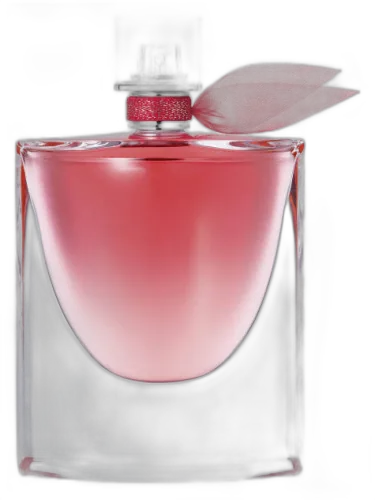
Lancôme
La Vie Est Belle Intensément Lancôme
Shared top notes: bergamot, pink pepper
Mona di Orio
Tubereuse Mona Di Orio
Shared top notes: bergamot, pink pepper
Nikkos-Oskol Fragrance
Я (ja/ya) Nikkos-oskol Fragrance
Shared top notes: bergamot, pink pepper
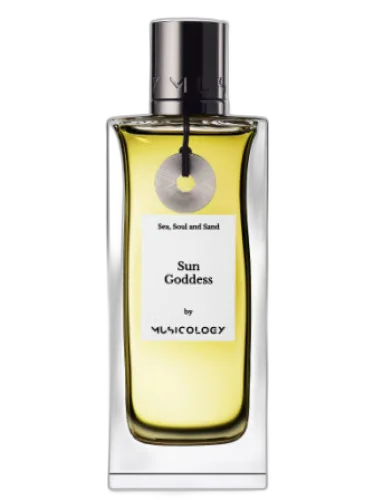
Musicology
Sun Goddess Musicology
Shared heart notes: heliotrope, jasmine sambac