
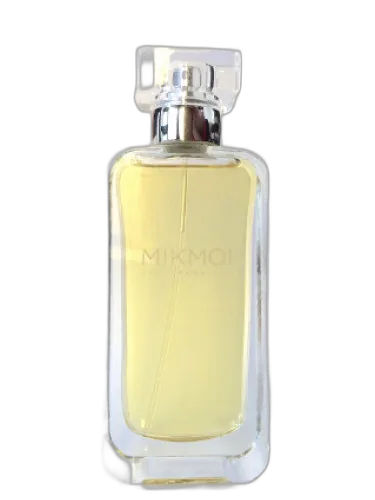

Lingua Franca Mikmoi
At a glance
Is Lingua Franca Mikmoi worth trying?
Lingua Franca by MIKMOI is a Oriental fragrance for women and men.
- Best match
- Evening wear in Fall
- Performance feel
- Very Good longevity with Moderate sillage
- Signature profile
- citrus, amber, fresh spicy with Lemongrass, Marigold, Yellow Mandarin
The first impression
Lingua Franca by MIKMOI is a Oriental fragrance for women and men. Lingua Franca was launched in 2014. The nose behind this fragrance is Michael Coyle. Top notes are Lemongrass, Marigold, Yellow Mandarin, Yuzu, Lime and Pineapple; middle notes are White Tobacco, Allspice, Neroli, Ylang-Ylang, Carnation and Rose; base notes are Palo Santo, Labdanum, Olibanum, Ambergris, Agarwood (Oud), Castoreum and Vetiver.
What shapes the scent
The perfumer behind it

Michael Coyle
Michael Coyle is the creative force behind the MIKMOI brand, which offers a range of minimalist and conceptual fragrances. His catalog includes scents like Aldwych, Ao, and Aqua Fortis, each designed to evoke specific moods or places. Coyle’s work is characterized by clean, modern compositions with a focus on simplicity and quality ingredients.
Notes pyramid
Top Notes
First impression · 15-30 min
 Lemongrass
 Marigold
 Yellow Mandarin
 Yuzu
Yuzu
 Lime
Lime
 Pineapple
Heart Notes
Core character · 2-4 hours
 White Tobacco
 Allspice
 Neroli
 Ylang-Ylang
 Carnation
 Rose
Rose
Base Notes
Lasting impression · 4+ hours
 Palo Santo
 Labdanum
Olibanum
Labdanum
Olibanum
 Ambergris
 Agarwood (Oud)
 Castoreum
 Vetiver
The mood it creates
The Sage Archetype: Portrait of Lingua Franca Mikmoi
Essence
Lingua Franca’s Mikmoi is a fragrance of paradox-earthy yet ethereal, grounded yet elusive. It carries the scent of moss and vetiver, softened by whispers of fig and cedar, evoking the quiet wisdom of a forest after rain. The person who chooses this scent is drawn to its balance of depth and delicacy, a fragrance that does not announce itself but lingers, leaving traces of contemplation.
This individual is, at their core, a Sage-the Jungian archetype of the seeker, the philosopher, the one who values knowledge not as mere accumulation but as a means of understanding existence. They are not content with surface truths; they crave the hidden layers beneath.
Style & Aesthetic
Their life is an ongoing dialogue between solitude and connection. They are drawn to spaces where thought flourishes-libraries, quiet cafés, misty morning walks. Their home is curated but not sterile, filled with books, art, and objects that carry meaning rather than mere aesthetic appeal. They prefer quality over quantity, choosing well-worn leather-bound journals over fleeting digital notes.
Their philosophy is one of measured curiosity. They do not rush to conclusions but let ideas unfold naturally, like the slow unfurling of a fern. They value silence as much as speech, knowing that some truths are best understood in stillness.
In fashion, they favor understatement-linen, wool, muted tones that speak of restraint rather than austerity. Their wardrobe is a reflection of their mind: layered, intentional, free from excess. They might wear a single piece of jewelry, something ancient or symbolic, not for adornment but as a talisman.
Their taste in art and music leans toward the evocative rather than the overtly emotional. They appreciate the abstract brushstrokes of a Rothko, the haunting minimalism of Arvo Pärt, the quiet intensity of a Bergman film. They are not afraid of melancholy; they see it as a companion to clarity.
Relationships
Their relationships are deep but few. They do not suffer fools gladly, yet they are patient with those who genuinely seek understanding. Their love is not possessive but expansive-they want their partner to grow alongside them, not as an extension of themselves.
Yet, here lies their shadow: the risk of detachment. The Sage can become so enamored with ideas that they forget the warmth of human touch. They may rationalize emotions rather than feel them, retreating into the safety of thought when vulnerability beckons. Their greatest fear is not ignorance but irrelevance-the dread that their insights might never truly reach another soul.
Shadow
The Sage’s strength-discernment-can curdle into aloofness. They may dismiss what they deem "superficial," forgetting that even the shallowest waters reflect the sky. Their pursuit of truth can become a fortress, isolating them from the messy, beautiful chaos of lived experience.
At their worst, they may grow secretly arrogant, believing their depth makes them superior to those who live more instinctively. They must remember that wisdom without compassion is merely cleverness in disguise.
Conclusion
For the Sage who wears Mikmoi, the challenge is to embody their knowledge rather than hoard it. They must learn that wisdom is not just in seeing but in sharing-not just in thinking but in doing. The scent they love is a reminder: the earth is both solid and fragrant, just as the mind is both sharp and sensual.
They are at their best when they allow their intellect to be warmed by humanity, when they step out of the library and into the world, not as an observer but as a participant. For the Sage, true enlightenment is not in knowing everything but in knowing that some mysteries are meant to be lived, not solved.
If you like this, try these
Fragrances with a comparable profile - shared accords, notes, and character.
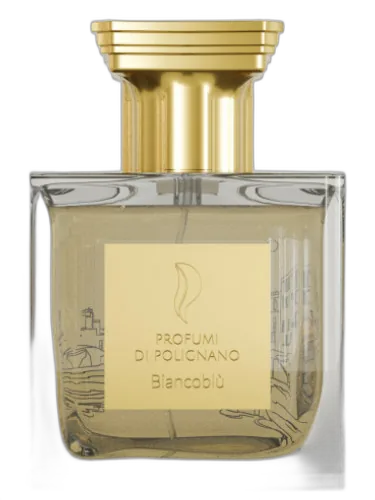
Profumi Di Polignano
Biancoblù Extrait De Parfum Profumi Di Polignano
Shared heart notes: rose, ylang-ylang
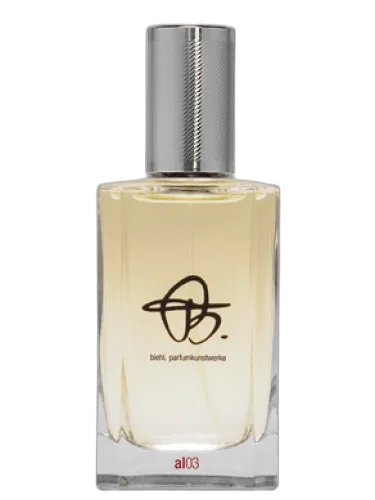
biehl parfumkunstwerke
Al03 Biehl Parfumkunstwerke
Shared top notes: lime, pineapple
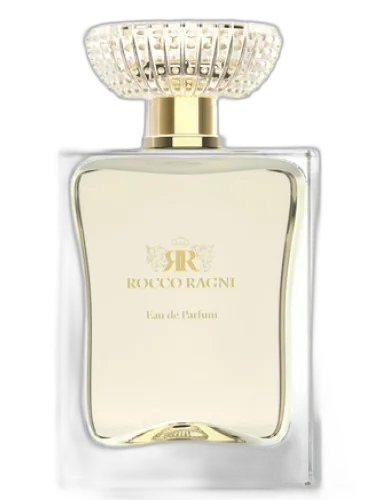
Rocco Ragni
Cashmere Cedar Rocco Ragni
Shared top notes: lime, pineapple
Aromas de Salazar
Yuzu Grove Aromas De Salazar
Shared top notes: yuzu
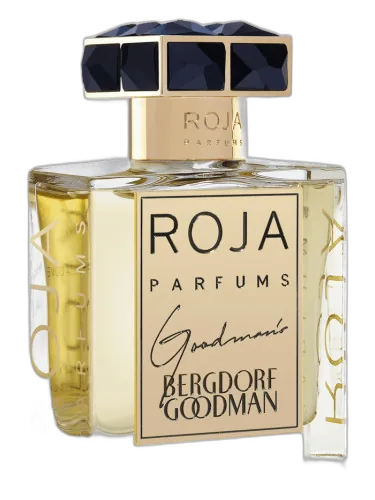
Roja Dove
Goodman's Bergdorf Goodman Roja Dove
Shared heart notes: neroli, rose, ylang-ylang