
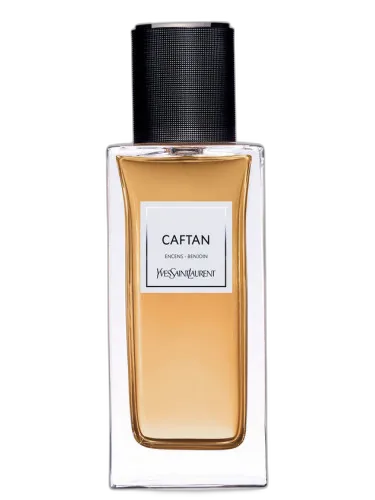

Caftan Yves Saint Laurent
At a glance
Is Caftan Yves Saint Laurent worth trying?
Caftan by Yves Saint Laurent is a Oriental fragrance for women and men.
- Best match
- Evening, Special Occasion wear in Fall, Winter
- Performance feel
- Good longevity with Moderate sillage
- Signature profile
- amber, warm spicy, musky with Pink Pepper, Tangerine, Bergamot
The first impression
Caftan by Yves Saint Laurent is a Oriental fragrance for women and men. Caftan was launched in 2015. The nose behind this fragrance is Calice Becker. Top notes are Pink Pepper, Tangerine and Bergamot; middle notes are Benzoin, Olibanum and Styrax; base notes are Labdanum and Musk.
What shapes the scent
The perfumer behind it

Calice Becker
Calice Becker is a renowned French perfumer who has worked with major houses like Avon and Bath & Body Works. Her creations include Arquiste's Almond Suede and Indigo Smoke, as well as Avon's Far Away Gold. She is celebrated for her ability to craft both commercial and artistic fragrances with a refined, elegant touch.
Notes pyramid
Top Notes
First impression · 15-30 min
 Pink Pepper
 Tangerine
 Bergamot
Heart Notes
Core character · 2-4 hours
 Benzoin
 Olibanum
 Styrax
Base Notes
Lasting impression · 4+ hours
 Labdanum
 Musk
Musk
The mood it creates
The Mystic Archetype: Portrait of Caftan Yves Saint Laurent
Essence
The one who wears Caftan Yves Saint Laurent is not merely drawn to its warm, woody opulence-they are summoned by it. This fragrance, with its rich blend of incense, amber, and spices, speaks to the soul of The Sage, the archetype of wisdom, introspection, and quiet authority. The Sage seeks not to dominate, but to understand; not to dazzle, but to illuminate. They are the keeper of secrets, the silent observer who deciphers the world through intuition and reflection.
Yet, like all archetypes, The Sage has a shadow-one that veers into detachment, intellectual pride, and an over-reliance on solitude. The wearer of Caftan is no exception; their wisdom can harden into dogma, their introspection into withdrawal.
Style & Aesthetic
Their tastes are deliberate, almost ritualistic. They favor textures that whisper rather than shout-cashmere, aged leather, silk that has known decades of wear. Their home is a sanctuary of deep hues: burnt umber, midnight blue, the faintest trace of gold where the light catches just so. Books line their shelves, not as trophies, but as companions-well-thumbed volumes of philosophy, poetry, and esoteric lore.
Music is not mere entertainment but an invocation-Gregorian chants, the drone of a sitar, the melancholic hum of a cello. They drink black tea steeped with cardamom or red wine so dark it mirrors their thoughts. Their palate craves the bitter as much as the sweet-dark chocolate, espresso, the lingering smoke of a single-malt whisky.
Their days are structured yet fluid, governed by rituals that ground them in the present. Morning meditation, evening walks under dim streetlights, the slow turning of pages by lamplight. They work in fields that reward depth-writing, psychology, the arts, perhaps even the mystic traditions.
Yet their shadow lurks in their routines. Their self-sufficiency can curdle into isolation. Their disdain for the mundane may blind them to the beauty of simplicity. They risk becoming the hermit who forgets that wisdom must sometimes step into the light.
Philosophy & Values
They believe in the unseen architecture of life-the patterns beneath the chaos. Their philosophy is not one of rigid doctrine but of fluid inquiry. They trust intuition as much as reason, knowing that some truths are felt rather than proven.
Yet this very openness can become a flaw. Their reluctance to commit-to people, to ideologies, to simple certainties-can leave them stranded in perpetual contemplation. They disdain dogma but sometimes replace it with a different kind of rigidity: the belief that only the complex is true.
Relationships
They do not love lightly, but neither do they love carelessly. Their affections are deep, though often undemonstrative. They prefer a few enduring bonds to many fleeting ones. In romance, they are drawn to those who mirror their own depth-someone who understands silence as well as speech.
But their shadow emerges here too. Their love of solitude can harden into emotional distance. They may retreat into their inner world, leaving others stranded at the gates of their mind. They demand understanding but do not always offer it in return.
Conclusion
The Sage is both liberated and confined by their own mind. Caftan-with its incense and spice, its warmth and mystery-is their scent because it mirrors this paradox. It is a fragrance that lingers, that demands attention without clamoring for it.
But the wearer must remember: wisdom untested by life is mere theory. The true Sage does not merely contemplate the world-they engage with it, knowing that even the deepest truths must sometimes be spoken aloud.
If you like this, try these
Fragrances with a comparable profile - shared accords, notes, and character.
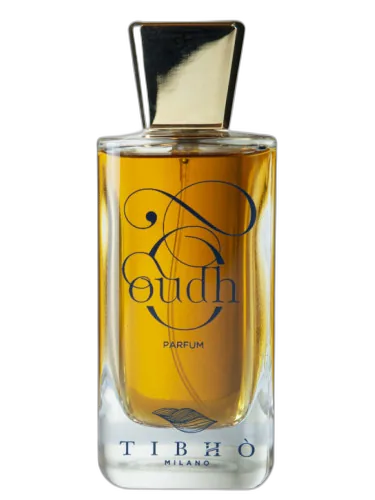
Tibhò
Oudh Tibhò
Shared top notes: bergamot, pink pepper
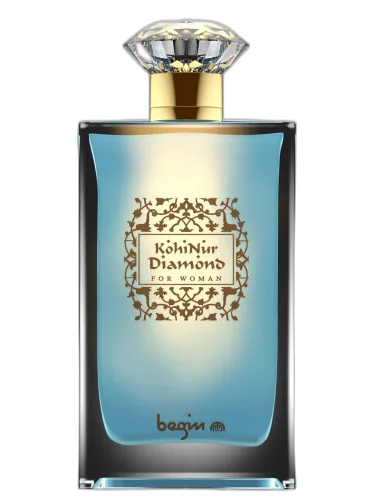
Begim
Kohinur Diamond For Woman Begim
Shared top notes: bergamot, pink pepper
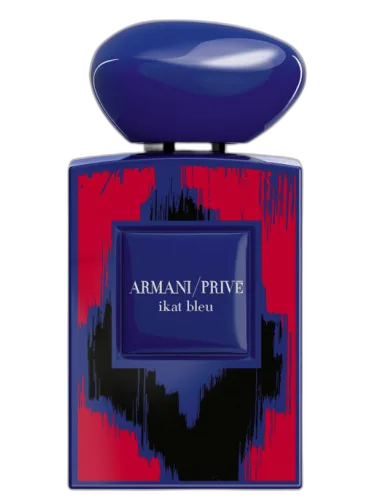
Giorgio Armani
Ikat Bleu Giorgio Armani
Shared top notes: bergamot, pink pepper
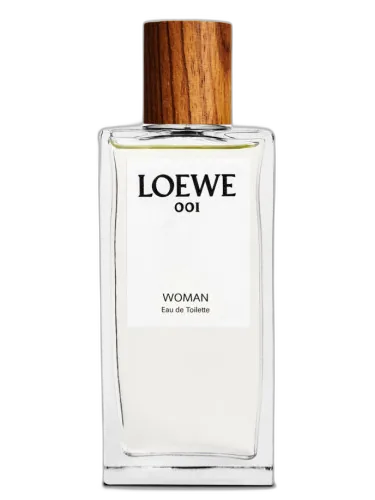
Loewe
Loewe 001 Woman Edt Loewe
Shared top notes: bergamot, pink pepper, tangerine
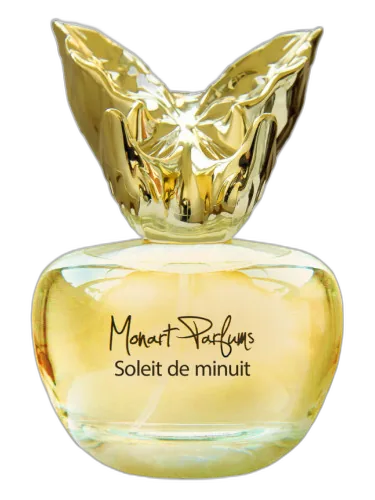
Monart Parfums
Soleil De Minuit Monart Parfums
Shared top notes: bergamot