


Worodi Nabeel
At a glance
Is Worodi Nabeel worth trying?
Worodi by Nabeel is a Floral Fruity Gourmand fragrance for women and men.
- Best match
- Evening wear in Fall
- Performance feel
- Very Good longevity with Strong sillage
- Signature profile
- sweet, fruity, tropical with Banana, Exotic Fruits, Coconut
The first impression
Worodi by Nabeel is a Floral Fruity Gourmand fragrance for women and men. This is a new fragrance. Worodi was launched in 2024. Top notes are Banana, Exotic Fruits, Coconut and Blackcurrant; middle notes are Sandalwood, White Flowers, Cedarwood and Vanilla; base notes are Chocolate, Musk, Agarwood and Dry Wood.
What shapes the scent
The perfumer behind it

Nabeel
Nabeel is a perfumer whose work spans a wide range of fragrances, from the bold Asateer Nabeel to the refined Irth Nabeel. His creations often feature rich, oriental accords with a focus on depth and longevity. Nabeel's scents cater to diverse tastes, balancing tradition with contemporary appeal. His portfolio demonstrates versatility and a keen understanding of Middle Eastern perfumery.
Notes pyramid
Top Notes
First impression · 15-30 min
 Banana
Exotic Fruits
Banana
Exotic Fruits
 Coconut
Blackcurrant
Coconut
Blackcurrant
Heart Notes
Core character · 2-4 hours
 Sandalwood
 White Flowers
Cedarwood
White Flowers
Cedarwood
 Vanilla
Base Notes
Lasting impression · 4+ hours
Chocolate
 Musk
Musk
 Agarwood
 Dry Wood
The mood it creates
The Archetype Archetype: Portrait of Worodi Nabeel
Essence
The person who gravitates toward Worodi Nabeel is not one to be confined by convention. They are an alchemist of experience, a seeker who distills life into something richer, more intoxicating. This fragrance-warm, complex, and slightly enigmatic-mirrors their essence: a blend of depth and mystery, of sensuality and intellect. They are not merely a consumer of scents but a curator of meaning, transforming the mundane into the extraordinary.
Style & Aesthetic
Their aesthetic is deliberate, a fusion of the timeless and the avant-garde. They might favor tailored yet unconventional clothing-linen shirts with subtle embroidery, leather jackets softened by years of wear, or jewelry that carries personal symbolism. Their home is a sanctuary of textures: aged wood, handwoven textiles, the faint scent of oud lingering in the air. They appreciate craftsmanship, valuing objects that tell a story.
In music, they are drawn to compositions that defy easy categorization-jazz that bends structure, world music that evokes distant lands, or classical pieces with modern dissonance. Their literary tastes lean toward the philosophical and the poetic-Neruda, Rumi, or Nietzsche himself-words that provoke rather than comfort.
Their life is an ongoing pilgrimage, both literal and metaphorical. They might split their time between cities, seeking inspiration in unfamiliar streets, or they may cultivate a carefully constructed solitude in a secluded home. Routine is their enemy; spontaneity, their muse. They thrive on sensory indulgence-slow meals with robust flavors, late-night debates over wine, solitary walks at dawn.
Yet this refusal to be bound by structure can manifest as restlessness. They may struggle with commitment, not out of fear but from an insatiable hunger for the next revelation. Stability, to them, risks stagnation.
Philosophy & Values
For them, existence is an experiment-one to be conducted with curiosity and boldness. They reject dogma, preferring instead to navigate life through intuition and a refined aesthetic sense. Beauty is not superficial but a language, a way to communicate truths that words fail to capture. They believe in the transformative power of experience, whether through art, travel, or intimate human connection. Their morality is fluid, shaped by empathy rather than rigid rules, though this can sometimes lead to moral ambiguity.
Relationships
They are magnetic, drawing others in with their quiet intensity. Conversations with them are never trivial; they probe, challenge, and seduce with ideas. Yet intimacy is a double-edged sword-they crave deep connection but fear being fully known. Their relationships are often layered, intense, and occasionally tumultuous, as they struggle to reconcile their need for freedom with their longing for union.
They are not a crowd-pleaser but a soul-awakener. Some find them intoxicating; others, frustratingly elusive. Their love is passionate but not possessive, demanding authenticity above all else. They despise superficiality, and if a relationship lacks depth, they will withdraw-sometimes without explanation.
Shadow
Their greatest strength-their refusal to settle-is also their flaw. The same curiosity that fuels their brilliance can leave them perpetually unsatisfied. They may abandon projects (or people) prematurely, always chasing the next spark of inspiration. Their disdain for the ordinary can make them dismissive of those who find contentment in simplicity.
At their worst, they become detached, treating life as an intellectual exercise rather than a lived experience. Their fear of mundanity may drive them to extremes-exotic escapes, reckless passions, or existential melancholy. The very depth they seek can become a prison if they forget that wisdom also resides in stillness.
Conclusion
The lover of Worodi Nabeel is neither hedonist nor ascetic but something in between-a philosopher of the senses. They walk the line between passion and detachment, creation and destruction, always searching for the alchemy that turns the base metal of existence into gold. Their life is not one of answers but of beautiful, haunting questions. And perhaps that is enough.
If you like this, try these
Fragrances with a comparable profile - shared accords, notes, and character.
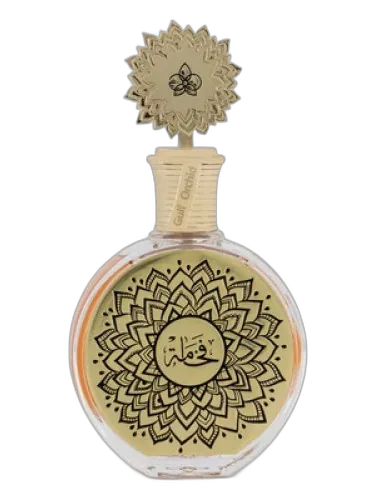
MAISON ASRAR
Fakhama Maison Asrar
Shared heart notes: vanilla, white flowers

Yves Saint Laurent
Magnificent Gold Yves Saint Laurent
Shared heart notes: sandalwood, vanilla

Wilhelm Perfume
Schikkimikki Wilhelm Perfume
Shared top notes: exotic fruits

Afnan
9 Pm Rebel Afnan
Shared heart notes: cedarwood, vanilla
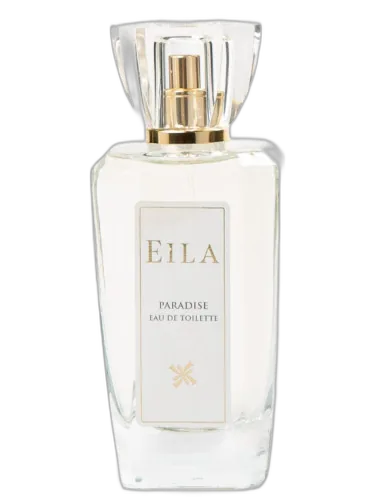
Eila
Paradise Eila
Shared top notes: coconut