
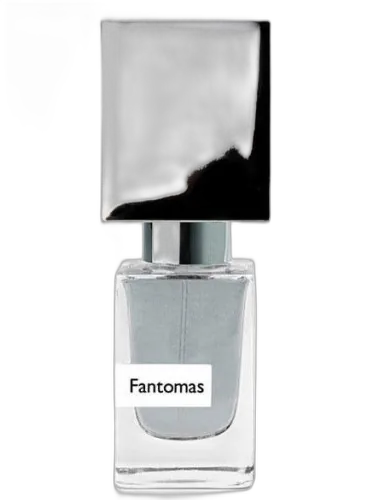

Fantomas Nasomatto
At a glance
Is Fantomas Nasomatto worth trying?
Fantomas by Nasomatto is a Aromatic fragrance for women and men.
- Best match
- Evening wear in Fall
- Performance feel
- Excellent longevity with Strong sillage
- Signature profile
- sweet, smoky, plastic with Melon, Rubber, Plastic
The first impression
Fantomas by Nasomatto is a Aromatic fragrance for women and men. Fantomas was launched in 2020. The nose behind this fragrance is Alessandro Gualtieri.
What shapes the scent
The perfumer behind it

Alessandro Gualtieri
Alessandro Gualtieri is an Italian perfumer and founder of the Nasomatto brand, known for his bold, unconventional approach to fragrance. His olfactory style emphasizes raw materials and intense, often provocative compositions that challenge traditional perfumery. Notable creations from our catalog include Nasomatto’s Absinth, Baraonda, and Blamage, as well as the MariaLux series and L’essence de Mastenbroek, all reflecting his signature dramatic and unapologetic aesthetic.
Notes pyramid
All Notes
Complete scent profile
 Melon
Melon
 Rubber
 Plastic
 Sweet Notes
 Smoke
gunpowder
Smoke
gunpowder
 Caramel
 Earthy Notes
Tropical Fruit
Earthy Notes
Tropical Fruit
 Cashmeran
 Patchouli
The mood it creates
The Magician Archetype: Portrait of Fantomas Nasomatto
Essence
The person who gravitates toward Fantomas by Nasomatto is not one to be easily defined. Their scent-dark, enigmatic, and playfully unsettling-mirrors the essence of the Trickster, an archetype that thrives on ambiguity, subversion, and the dissolution of rigid structures. The Trickster is neither hero nor villain but exists in the liminal space between, challenging norms and exposing hypocrisy with a smirk. They are the jester who speaks uncomfortable truths, the shape-shifter who refuses to be pinned down.
This individual does not wear Fantomas to be liked; they wear it to provoke thought, to unsettle, to leave an impression that lingers like the scent itself-smoky, leathery, with an undercurrent of something indefinable.
Shadow
Yet, the Trickster’s gift is also their curse. Their refusal to take anything at face value can curdle into cynicism, a dismissal of sincerity as naivety. Their love of disruption sometimes crosses into cruelty-they may tear down without building up, leaving others destabilized in their wake.
Their relationships suffer from their fear of permanence. They flirt with depth but retreat when things grow too real, preferring the safety of irony over vulnerability. Their detachment, once a shield, can become a prison.
Conclusion
This person is not for everyone. They unsettle as much as they fascinate. But in a world that often mistakes comfort for truth, they serve a vital function-the one who reminds us that reality is stranger, darker, and more malleable than we pretend.
Their flaw is their virtue taken to excess. Their genius is their refusal to be tamed. And in the end, they would have it no other way.
If you like this, try these
Fragrances with a comparable profile - shared accords, notes, and character.
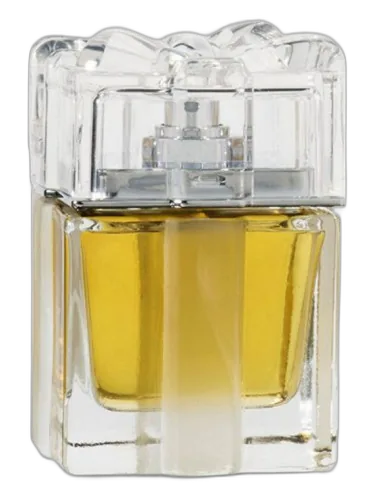
Stella Dustin
La Priere Stella Dustin
Shared top notes: caramel, melon
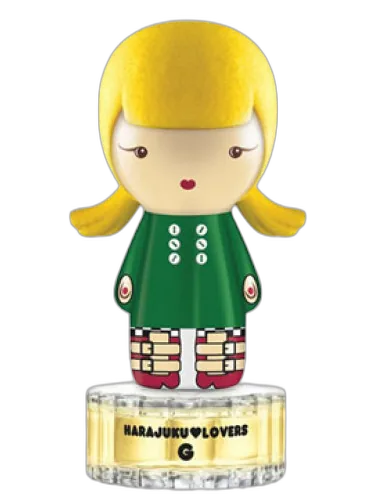
Harajuku Lovers
Harajuku Lovers Wicked Style G Harajuku Lovers
Shared accords: aquatic, fresh, fruity
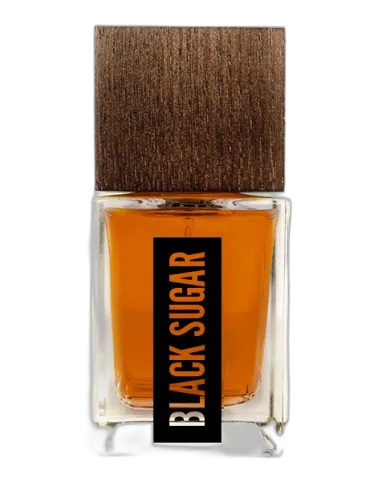
Sixteen92
Black Sugar Sixteen92
Shared top notes: caramel, earthy notes, smoke
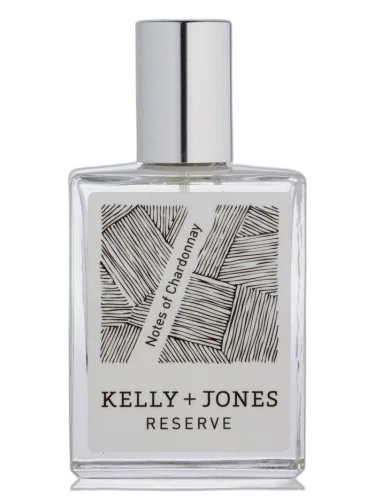
Kelly & Jones
Notes Of Chardonnay Reserve Kelly & Jones
Shared top notes: melon, patchouli, smoke
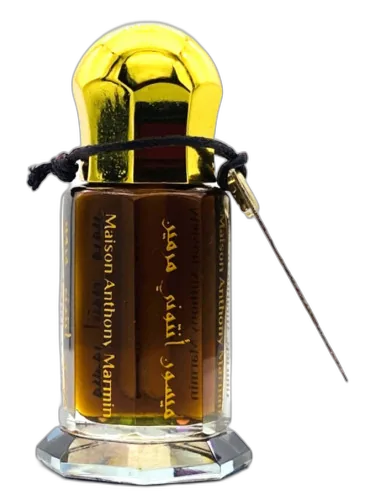
Maison Anthony Marmin
Oud Al Amir Maison Anthony Marmin
Shared top notes: caramel, smoke, sweet notes