


Capim Limão E Hortelã Natura
Fragrance Story
Capim Limão e Hortelã by Natura is a Citrus fragrance for women. This is a new fragrance. Capim Limão e Hortelã was launched in 2022. Top notes are Lemongrass, Italian Lemon, Lemon Balm, Verbena, Bergamot, Petitgrain, Tea, White Tea, Green Leaves and Mandarin Orange; middle notes are Water Flowers, Lily of the Valley, Lavender, Cardamom, Cedar and Geranium; base notes are Musk, Sandalwood, Patchouli and Amber.
Composition Profile
About the Perfumer

Unknown Perfumer
Fragrance Notes
Top Notes
First impression · 15-30 min
 Lemongrass
 Italian Lemon
 Lemon Balm
Verbena
Lemon Balm
Verbena
 Bergamot
 Petitgrain
 Tea
White Tea
Green Leaves
Tea
White Tea
Green Leaves
 Mandarin Orange
Heart Notes
Core character · 2-4 hours
 Water Flowers
Lily of the Valley
Water Flowers
Lily of the Valley
 Lavender
 Cardamom
 Cedar
Cedar
 Geranium
Base Notes
Lasting impression · 4+ hours
 Musk
Musk
 Sandalwood
 Patchouli
 Amber
Amber
Capim Limão E Hortelã Natura by Natura offers a distinctive olfactory experience that stands out from other fragrances in its category.
Crafted with the finest ingredients and a blend of traditional and modern perfumery techniques, this fragrance represents the pinnacle of the perfumer's art.
Capim Limão E Hortelã Natura embodies the distinctive style of Natura while adding a unique chapter to their fragrance portfolio.
Character Profile
The Lover Archetype: Portrait of Capim Limão E Hortelã Natura
Essence
Capim Limão E Hortelã-lemon grass and mint-is a fragrance of crisp clarity, a verdant burst of freshness that evokes open fields, morning dew, and unspoiled simplicity. The person who cherishes this scent is drawn to purity, not in a naive sense, but as a deliberate embrace of life’s uncomplicated joys. Their essence aligns with the Innocent archetype, one who seeks harmony, authenticity, and a return to the elemental.
This is not the innocence of ignorance, but of choice-a refusal to be corrupted by cynicism, a belief in the possibility of goodness. They move through the world with lightness, their presence like a breeze that carries the scent of green things growing. Yet, beneath this ease lies a quiet strength, a resolve to remain untarnished by the world’s harshness.
Philosophy & Values
They believe in kindness as a radical act. In a world that often rewards hardness, they choose softness-not weakness, but a deliberate gentleness. Their philosophy is one of trust: in people, in nature, in the idea that life, when stripped of artifice, is fundamentally good.
Yet this optimism is not blind. They have known disappointment, perhaps even betrayal, but they refuse to let it define them. Their resilience lies in their ability to return, again and again, to hope. They are not naive enough to think the world is without darkness, but they are wise enough to know that light must be nurtured, not taken for granted.
Relationships
In love and friendship, they are open-hearted, sometimes to a fault. They give freely, expecting little in return, but this very generosity can leave them exposed. They attract those who crave their warmth but may not always reciprocate it in equal measure.
Their greatest strength in relationships is their ability to see the good in others, to offer acceptance without judgment. But this can also be their shadow-a reluctance to acknowledge malice, a tendency to forgive too easily. They may stay too long in situations that drain them, believing that patience and kindness will eventually soften even the hardest hearts.
Shadow
The Innocent’s greatest flaw is not naivety, but avoidance. There are moments when their love of harmony tips into a fear of conflict, when their preference for simplicity becomes an unwillingness to engage with complexity. They may ignore problems, hoping they will dissolve on their own, or suppress their own anger in the name of peace.
At their worst, they risk becoming passive, allowing life to happen to them rather than shaping it. Their optimism, if unchecked, can turn into a form of escapism-a refusal to face the darker, messier aspects of existence.
Conclusion
Their lifestyle is an ode to simplicity. They prefer open spaces-sunlit rooms with wooden floors, linen curtains swaying in the wind, a balcony where herbs grow in terracotta pots. Their home is uncluttered, not out of minimalism as a trend, but because excess distracts from what truly matters. They might be drawn to natural fabrics, loose-fitting clothes in muted earth tones, or the occasional splash of white, as if to mirror their inner clarity.
They savor the small rituals: brewing fresh tea, walking barefoot on grass, reading poetry in the late afternoon. There is no pretense in their pleasures-they do not chase sophistication for its own sake. A meal is as much about the crispness of the vegetables as the company; a conversation is valued for its sincerity, not its wit.
Similar Fragrances
Fragrances with a comparable profile - shared accords, notes, and character.
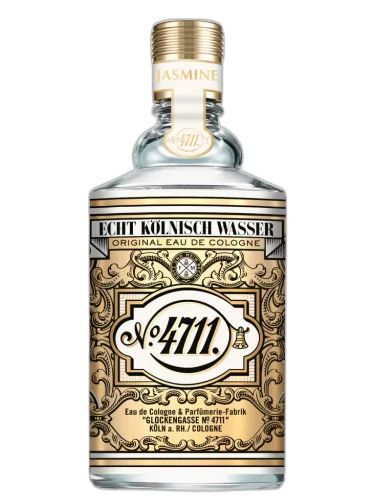
4711
4711 Jasmine Eau De Cologne 4711
Shared accords: aromatic, citrus, floral

Moresque
Fiore Di Portofino Moresque
Shared accords: aromatic, citrus, fresh

Exuma Parfums
Eau De Palermo Exuma Parfums
Shared accords: aromatic, citrus, fresh spicy
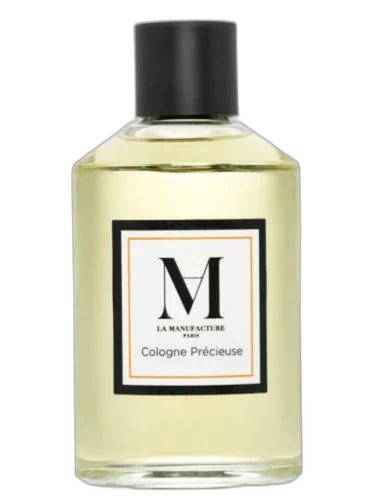
La Manufacture
Cologne Precieuse La Manufacture
Shared accords: aromatic, citrus, floral

L'Occitane en Provence
Verveine Fleur De Carotte L'occitane En Provence
Shared accords: aromatic, citrus, fresh spicy