
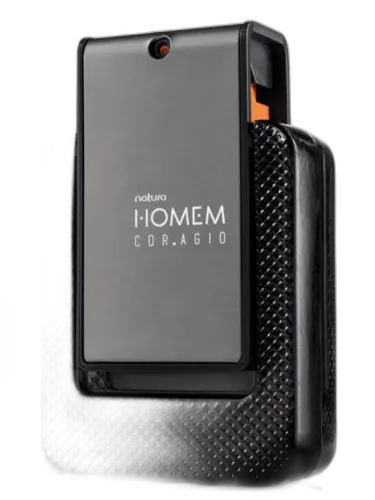

Homem Cor.agio Natura
Fragrance Story
Homem Cor.Agio by Natura is a Woody fragrance for men. Homem Cor.Agio was launched in 2018. Homem Cor.Agio was created by Verônica Kato and Jean-Christophe Hérault. Top notes are Black Pepper, Nutmeg, Pink Pepper, Cinnamon, Grapefruit, Bergamot, Apple and Mint; middle notes are Rose, Leather, Lavender, Angelica and Lily-of-the-Valley; base notes are Amber, Copahu Balm, Coumarin, Cedar and Labdanum.
Composition Profile
About the Perfumer

Jean-Christophe Hérault
Jean-Christophe Hérault is a French perfumer known for his work with major houses like Balenciaga and Azzaro. He created Florabotanica and Rosabotanica for Balenciaga, as well as Azzaro Chrome Aqua. His portfolio also includes fragrances for Boucheron and Balchaud, showcasing a range from fresh aquatics to floral compositions.
Fragrance Notes
Top Notes
First impression · 15-30 min
 Black Pepper
 Nutmeg
 Pink Pepper
 Cinnamon
 Grapefruit
 Bergamot
 Apple
Apple
 Mint
Mint
Heart Notes
Core character · 2-4 hours
 Rose
Rose
 Leather
 Lavender
 Angelica
 Lily-of-the-Valley
Base Notes
Lasting impression · 4+ hours
 Amber
Amber
 Copahu Balm
 Coumarin
 Cedar
Cedar
 Labdanum
Character Profile
The Sage Archetype: Portrait of Homem Cor.agio Natura
Essence
To wear Homem Cor.agio Natura is to embody an unspoken pact with the earth-a quiet but deliberate choice to align oneself with the raw, unrefined beauty of nature. This fragrance, with its woody, herbal, and subtly animalic notes, does not announce itself with the brashness of modern perfumery but lingers like the scent of damp soil after rain. The person who chooses it is not seduced by artifice; they seek authenticity, a return to something primal yet refined.
Above all, this individual is defined by the Sage-the seeker of wisdom, the observer, the one who listens more than they speak. The Sage does not chase trends but distills meaning from experience. They are drawn to knowledge, but not the kind found in textbooks alone; theirs is a wisdom of the senses, of intuition, of patterns recognized in the natural world. The Sage is not a hermit, though they may often feel like one in a world obsessed with noise. They are the quiet philosopher, the one who watches the seasons change and understands something deeper in their passing.
Style & Aesthetic
Their aesthetic is organic minimalism. They favor natural fabrics-linen, wool, raw silk-in muted, earthy tones. Their clothing is well-made but unpretentious, designed to last rather than impress. Their home is likely filled with wood, stone, and plants, arranged with deliberate simplicity. They may collect objects with history-antique maps, weathered books, handmade pottery-each carrying a silent story.
They do not follow fashion; they cultivate a style that feels like an extension of themselves. If they wear jewelry at all, it is likely something understated-a silver ring, a leather bracelet darkened with age.
They rise early, not out of obligation but because dawn holds a clarity that midday cannot replicate. They may practice meditation, journaling, or long walks-rituals that ground them in the present. Their work is meaningful rather than merely profitable; they are drawn to fields like botany, philosophy, writing, or craftsmanship-anything that allows them to engage deeply with the world.
They are deliberate in their pleasures-a perfectly brewed cup of tea, the scent of old paper, the sound of rain against the window. They do not rush; they savor.
But their shadow also manifests in rigidity. Their love of routine can harden into stubbornness. Their disdain for superficiality may turn into contempt for those who do not share their values. They must guard against becoming the critic who sees flaws everywhere but forgets to appreciate the raw, imperfect beauty of human connection.
Philosophy & Values
Their philosophy is one of rootedness-not in the sense of stagnation, but in the way a tree is rooted: stable, yet constantly growing. They believe in the slow accumulation of understanding, in the value of patience, in the idea that truth is not shouted but uncovered. They distrust dogma, preferring instead the fluidity of lived experience.
Material excess holds little appeal; they are more likely to invest in a well-worn leather journal, a handcrafted wooden desk, or a single bottle of exceptional whiskey than in flashy status symbols. Their values are stoic yet sensual-they appreciate the texture of life, the weight of a good book, the warmth of a fire, the silence of an early morning.
Relationships
The Sage is selective in their connections. They do not crave crowds but thrive in the company of those who share their depth. Their friendships are few but enduring, built on mutual respect rather than convenience. They are the confidant, the listener, the one who offers insight without judgment.
Romantically, they are drawn to partners who possess their own quiet strength-someone who does not need constant validation but understands the beauty of silence. Their love is not dramatic but steady, like the slow growth of roots beneath the soil.
Yet, here lies the shadow of the Sage: isolation. Their self-sufficiency can become a fortress, their wisdom a barrier. They may withdraw too deeply, mistaking solitude for strength and connection for weakness. At their worst, they become the recluse, the one who observes life but does not fully participate in it.
Conclusion
The wearer of Homem Cor.agio Natura is neither ascetic nor hedonist-they are the harmonizer, the one who finds richness in restraint. Their strength lies in their ability to see deeply, to live intentionally, to remain anchored in a world that often values speed over substance.
But like all archetypes, the Sage must beware of their own depths. Wisdom is not merely knowing-it is also remembering to step into the light, to let the world touch them as much as they observe it. In balance, they are not just a thinker but a living testament to the idea that the truest knowledge is found not in books, but in the quiet, breathing world around them.
Similar Fragrances
Fragrances with a comparable profile - shared accords, notes, and character.
Natura
Homem Cor.agio Natura
Shared accords: amber, aromatic, citrus
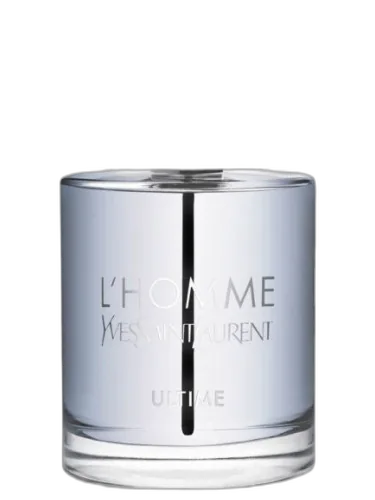
Yves Saint Laurent
L'homme Ultime Yves Saint Laurent
Shared accords: aromatic, citrus, floral
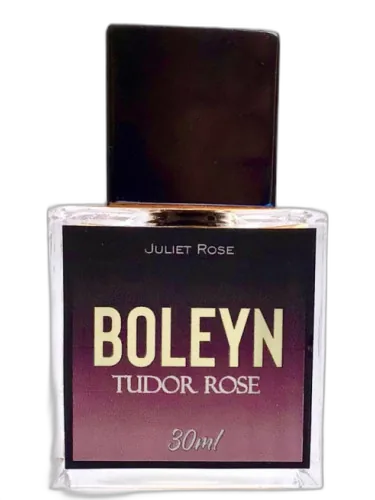
Juliet Rose
Boleyn Tudor Rose Juliet Rose
Shared accords: amber, aromatic, citrus
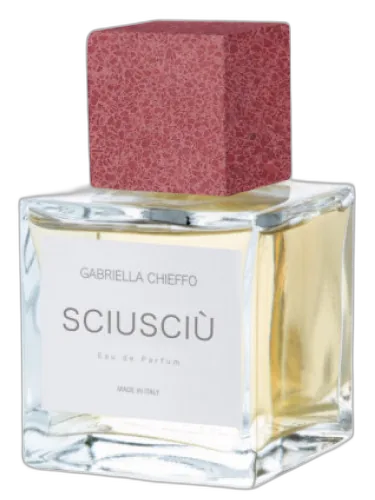
Maison Gabriella Chieffo
Sciusciù Maison Gabriella Chieffo
Shared accords: amber, aromatic, citrus
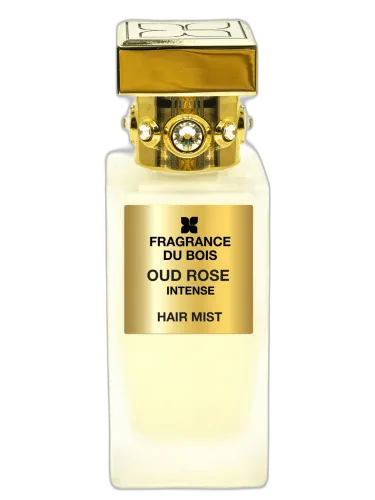
Fragrance Du Bois
Oud Rose Intense Hair Mist Fragrance Du Bois
Shared accords: amber, aromatic, citrus