


Connexion O Boticário
Fragrance Story
Connexion by O Boticário is a Aromatic Spicy fragrance for men. Connexion was launched in 1988. Connexion was created by Olivier Paget and Antonio Amador. Top notes are Bergamot and Tangerine; middle notes are Spices, Amber, Geranium, Tarragon and Caraway; base notes are Patchouli and Oakmoss.
Composition Profile
About the Perfumer

Antonio Amador
Antonio Amador has created fragrances for several major Brazilian brands, including Natura, O Boticário, and Ésika. His portfolio includes Natura's Horus and Revelar, O Boticário's Connexion and North Wind, and Ésika's Expression and Salvaje. His work often balances modern freshness with accessible, wearable compositions.
Fragrance Notes
Top Notes
First impression · 15-30 min
 Bergamot
 Tangerine
Heart Notes
Core character · 2-4 hours
 Spices
 Amber
Amber
 Geranium
 Tarragon
 Caraway
Base Notes
Lasting impression · 4+ hours
 Patchouli
 Oakmoss
Character Profile
The Lover Archetype: Portrait of Connexion O Boticário
Essence
The one who chooses Connexion O Boticário is drawn to the warmth of amber, the richness of vanilla, and the depth of woody accords-a fragrance that lingers like an embrace. This person is not merely wearing a scent; they are embodying an invitation, a magnetic pull toward intimacy and sensuality. Their soul is ruled by the Lover archetype, the eternal seeker of beauty, connection, and pleasure.
They move through life with an instinctive understanding of allure, not in a calculated way, but as an organic extension of their nature. Their presence is felt before they speak-a subtle intensity, a quiet confidence in the power of touch, gaze, and whispered words. They are not afraid of vulnerability, for they know that true connection is forged in the space between surrender and desire.
Style & Aesthetic
Their taste is tactile, favoring textures that invite closeness-soft cashmere, silk that glides against skin, leather that carries the memory of touch. They prefer deep, earthy tones-burgundy, emerald, warm browns-colors that evoke richness and depth. Their home is a sanctuary of sensory indulgence: low lighting, candles that flicker like secrets, music that hums beneath conversation.
They are drawn to art that speaks to the body as much as the mind-sculptures that beg to be traced with fingertips, paintings that pulse with life, poetry that tastes like a kiss. Their bookshelf holds Rilke’s Letters to a Young Poet, Anaïs Nin’s diaries, and Neruda’s odes to love’s raw, unfiltered truth.
They are the confidant, the one who listens with their whole being, who remembers the way someone takes their coffee, the way their voice cracks when they’re tired. Their friendships are deep, often lasting decades, built on shared laughter, tears, and the kind of trust that comes from mutual surrender.
Romantically, they are both a dream and a challenge. They love fiercely, but their intensity can overwhelm those who prefer emotional distance. They crave a partner who meets their passion with equal fervor, who understands that love is not a quiet harbor but a storm that reshapes the shore. When they are hurt, they retreat into silence, not out of spite, but because they know words cannot mend what only time and touch can heal.
Their lifestyle is one of deliberate pleasure. They cook with spices that linger on the tongue, travel to places where the air itself feels alive, and seek experiences that leave them trembling with wonder. They are not afraid of decadence, but neither are they slaves to it-they understand the difference between indulgence and emptiness.
Philosophy & Values
To them, life is not merely to be lived but to be felt. They reject the cold efficiency of modernity, the transactional nature of relationships, the sterile detachment of logic without passion. Their philosophy is simple yet profound: To love deeply is to know the divine.
They value authenticity above all else-not the performative vulnerability of social media, but the quiet, trembling honesty of a whispered confession in the dark. They believe in the sacredness of touch, the language of the body, the unspoken truths that pass between lovers, friends, even strangers in fleeting moments of recognition.
Yet, their devotion to feeling makes them wary of rigidity. They chafe against rules, traditions, and obligations that lack soul. They are not reckless, but they refuse to let fear dictate their choices.
Shadow
Yet, like all who live by feeling, they are not without their darkness. Their greatest strength-their capacity for deep connection-can become their greatest weakness. When love is denied or betrayed, they do not simply grieve; they burn. Their passion, once life-giving, can turn inward like a fever, consuming them in jealousy, obsession, or self-destructive longing.
They may struggle with boundaries, mistaking intensity for intimacy, possession for devotion. In their hunger for connection, they sometimes lose themselves in others, forgetting where they end and the beloved begins. Their shadow is the fear of being unseen, unloved, abandoned-a terror so profound it can drive them to cling too tightly or flee too soon.
And when the world feels too harsh, too indifferent to beauty, they may retreat into hedonism, using pleasure as an anesthetic rather than a celebration.
Conclusion
But this is the paradox of the Lover: their depth of feeling is both their salvation and their trial. To love as they do is to risk devastation, yet they would rather ache than live numb. Their journey is not toward detachment, but toward wise passion-learning to love without losing themselves, to burn without turning to ash.
In the end, the one who wears Connexion is a living testament to the power of presence. They remind us that life is not just to be understood, but to be tasted, touched, and treasured-one breath, one heartbeat, one fleeting moment of connection at a time.
Similar Fragrances
Fragrances with a comparable profile - shared accords, notes, and character.
Siela
Tizita Siela
Shared accords: amber, aromatic, balsamic

Orto Parisi
Brutus Orto Parisi
Shared accords: amber, aromatic, balsamic
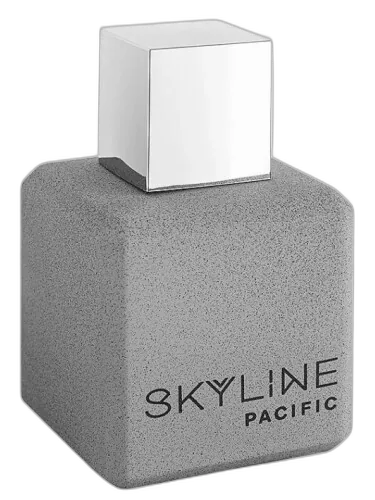
Parfums Genty
Skyline Pacific 2020 Parfums Genty
Shared accords: amber, aromatic, balsamic
LaBron
Uptown Intense Labron
Shared accords: amber, aromatic, citrus

Mercedes-Benz
Amg Silver Thrill Mercedes-benz
Shared accords: amber, aromatic, balsamic