


Tarsila O Boticário
Fragrance Story
Tarsila by O Boticário is a Floral Fruity fragrance for women. Tarsila was launched in 2002. Tarsila was created by Harry Fremont and Jean Claude Delville. Top notes are Pear, Mimosa, Peony, Orchid and Cactus; middle notes are Nectarine, Dove tree, Hibiscus and Vanille; base notes are Amber, Incense, Sandalwood and Musk.
Composition Profile
About the Perfumer

Harry Fremont
Harry Fremont is a prolific perfumer whose portfolio includes a wide range of commercial and niche fragrances, such as Power By 50 Cent, Adidas Fresh Impact, and Avon Sensuelle. He has worked with major brands like Aramis and Avon, creating both masculine and feminine scents. Fremont is known for his versatility and ability to craft appealing, mass-market compositions.
Fragrance Notes
Top Notes
First impression · 15-30 min
 Pear
Pear
 Mimosa
 Peony
Peony
 Orchid
 Cactus
Heart Notes
Core character · 2-4 hours
 Nectarine
 Dove tree
 Hibiscus
 Vanille
Base Notes
Lasting impression · 4+ hours
 Amber
Amber
 Incense
 Sandalwood
 Musk
Musk
Tarsila O Boticário by O Boticário offers a distinctive olfactory experience that stands out from other fragrances in its category.
Crafted with the finest ingredients and a blend of traditional and modern perfumery techniques, this fragrance represents the pinnacle of the perfumer's art.
Tarsila O Boticário embodies the distinctive style of O Boticário while adding a unique chapter to their fragrance portfolio.
Character Profile
The Lover Archetype: Portrait of Tarsila O Boticário
Essence
To wear Tarsila O Boticário is to embrace a fragrance that is both sensual and poetic-a scent that lingers like a whispered secret. The person who chooses this fragrance is drawn to beauty in its most tactile form, not merely as an aesthetic indulgence but as a vital force that animates their existence. They are, above all, a Lover-not in the trivial sense of romantic conquest, but in the Jungian archetype that embodies passion, connection, and the pursuit of the sublime.
Their life is a tapestry woven with rich textures-velvet, silk, the warmth of skin against skin. They move through the world with an innate appreciation for the pleasures of the senses, yet they are not mere hedonists. Their love of beauty is philosophical, a way of engaging with the world that seeks to dissolve the boundaries between self and experience.
Style & Aesthetic
Their tastes are refined but never ostentatious. They prefer the understated elegance of a well-worn leather-bound book over the cold gleam of a new gadget. Their home is a sanctuary of curated objects-antique perfume bottles, dried flowers pressed between pages, a record player spinning vinyl that crackles with nostalgia. They are drawn to art that evokes emotion, whether it be the melancholic brushstrokes of a Frida Kahlo painting or the haunting cadence of a Chopin nocturne.
In fashion, they favor flowing fabrics, deep jewel tones, and garments that feel like a second skin. Their style is not dictated by trends but by what stirs their soul. They might wear a vintage kimono as casually as another person wears a t-shirt, not for the sake of eccentricity, but because it feels true to them.
Philosophy & Values
For them, life is not a problem to be solved but an experience to be savored. They reject the sterile utilitarianism of modern existence, instead embracing the idea that meaning is found in moments of intensity-whether in love, art, or quiet contemplation. Their philosophy is one of embodied transcendence: they seek the divine not in asceticism, but in the very act of feeling deeply.
Relationships are their crucible. They love with a fierce loyalty, but their intensity can be overwhelming. They crave connection that is both intellectual and physical, a meeting of minds and bodies. Yet, they are not possessive-their love is expansive, often seeing the potential for beauty in others before they see it themselves.
Shadow
But every archetype has its shadow, and the Lover is no exception. Their devotion to beauty can tip into indulgence, losing themselves in sensory pleasures as a means of escape. When disillusioned, they may retreat into melancholy, mourning lost loves or idealized versions of people who never existed.
Their greatest flaw is perhaps their idealization-they see the world through the lens of their desires, sometimes refusing to acknowledge harsh realities. A lover who disappoints them is not merely flawed, but a betrayal of their vision. This can lead to cycles of intense passion followed by crushing disappointment.
Conclusion
Yet, even in their shadows, there is a kind of nobility. They would rather feel too much than too little. Their vulnerability is their strength, their passion their guiding star. They are the kind of person who leaves an imprint on others-not through force, but through the lingering trace of their presence, like the faintest whisper of perfume long after they have left the room.
To know them is to understand that life, at its core, is an act of love-sometimes messy, often painful, but always worth the risk.
Similar Fragrances
Fragrances with a comparable profile - shared accords, notes, and character.
O Boticário
Tarsila O Boticário
Shared accords: amber, aquatic, floral
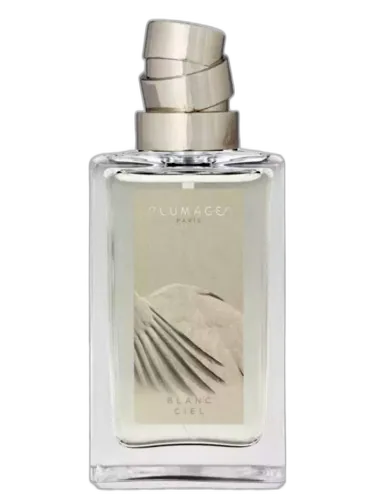
Plumages
Blanc Ciel Plumages
Shared accords: aquatic, floral, fresh
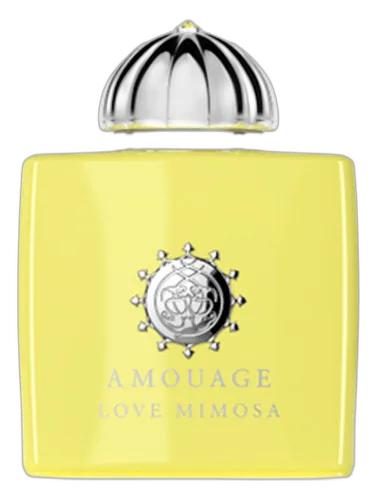
Amouage
Love Mimosa Amouage
Shared accords: amber, aquatic, floral

Les Folies Du Parfum
Capri Extasy Les Folies Du Parfum
Shared accords: aquatic, floral, fresh
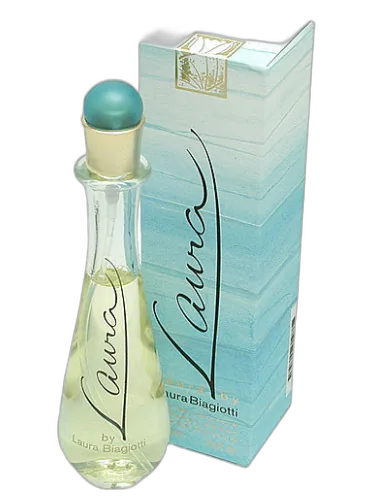
Laura Biagiotti
Laura Laura Biagiotti
Shared accords: aquatic, floral, fresh