
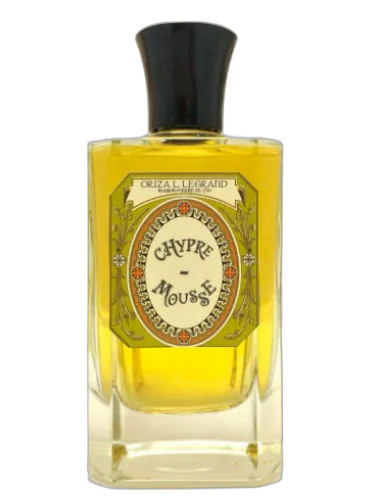

Chypre Mousse Oriza L. Legrand
At a glance
Is Chypre Mousse Oriza L. Legrand worth trying?
Chypre Mousse by Oriza L.
- Best match
- Evening wear in Fall
- Performance feel
- Very Good longevity with Moderate sillage
- Signature profile
- earthy, green, aromatic with Fennel, Mint, Green Notes
The first impression
Chypre Mousse by Oriza L. Legrand is a Chypre fragrance for women and men. Chypre Mousse was launched in 1914. Top notes are Fennel, Mint, Green Notes and Clary Sage; middle notes are Oakmoss, Fern, Clover, Angelica, Galbanum, Violet Leaf and Mastic or Lentisque; base notes are Oakmoss, Soil Tincture, Boletus edulis, Chestnut, Vetiver, Pine Tree Needles, Resins, Labdanum and Leather.
What shapes the scent
The perfumer behind it

Notes pyramid
Top Notes
First impression · 15-30 min
 Fennel
 Mint
Mint
 Green Notes
 Clary Sage
Heart Notes
Core character · 2-4 hours
 Oakmoss
 Fern
Fern
 Clover
 Angelica
 Galbanum
 Violet Leaf
 Mastic or Lentisque
Base Notes
Lasting impression · 4+ hours
Oakmoss
 Soil Tincture
Boletus edulis
Soil Tincture
Boletus edulis
 Chestnut
 Vetiver
Pine Tree Needles
Vetiver
Pine Tree Needles
 Resins
 Labdanum
 Leather
The mood it creates
The Sage Archetype: Portrait of Chypre Mousse Oriza L. Legrand
Essence
The person who cherishes Chypre Mousse by Oriza L. Legrand is most closely aligned with the Sage-an archetype defined by wisdom, introspection, and an affinity for the timeless. The Sage seeks truth not in the obvious but in the layered, the subtle, the almost-forgotten. This fragrance, with its mossy depth, damp earth, and whisper of citrus, evokes an old-world sensibility, a bridge between the intellectual and the natural. The Sage does not merely wear a scent; they inhabit it, as if it were an extension of their inner world.
Shadow
Yet the Sage is not without their burdens. Their love of depth can tip into aloofness, a detachment that borders on coldness. They may dismiss others as superficial too quickly, forgetting that not all wisdom comes from books.
Their insistence on perfection can lead to paralysis-endless refinement without action. They may delay decisions, waiting for absolute certainty that never comes. Life, however, demands engagement, not just observation.
At their worst, they risk becoming the Hermit, retreating so far into their own mind that they lose touch with the raw, messy vitality of existence. The very moss and earth they love in Chypre Mousse are reminders that life is decay as much as growth.
Conclusion
Their tastes are deliberate, never accidental. They prefer the weight of a well-bound book to the flicker of a screen, the texture of aged linen to synthetic sheen. Their home is a sanctuary of muted tones-forest greens, deep browns, the occasional ochre-where every object has been chosen for its quiet resonance. They might collect antique inkwells, pressed botanicals, or first editions of philosophical works.
Their philosophy is one of measured depth. They distrust dogma but revere inquiry, valuing the slow unfurling of understanding over hasty conclusions. They are drawn to Stoicism, perhaps, or the writings of Montaigne-not as rigid doctrine but as a framework for navigating life’s ambiguities.
In relationships, they are selective but fiercely loyal. Their friendships are built on shared silences as much as conversation. They do not suffer fools, yet they are patient with those who genuinely seek wisdom. Romantic partners must appreciate their need for solitude; intimacy, for them, is as much about mutual respect as passion.
If you like this, try these
Fragrances with a comparable profile - shared accords, notes, and character.
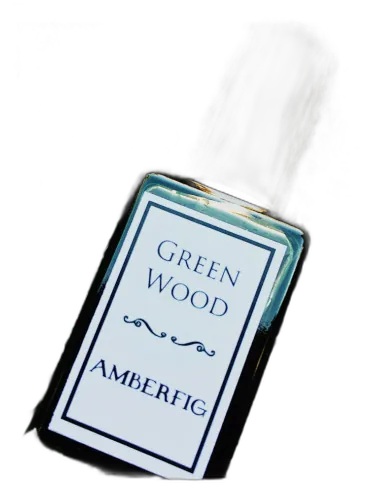
Amberfig
Green Wood Amberfig
Shared top notes: mint

Lorenzo Villoresi
Piper Nigrum Lorenzo Villoresi
Shared top notes: fennel, green notes, mint
Sospiro Perfumes
Viola Sospiro Perfumes
Shared top notes: clary sage
Roja Dove
Vetiver Roja Dove
Shared base notes: labdanum, oakmoss, vetiver
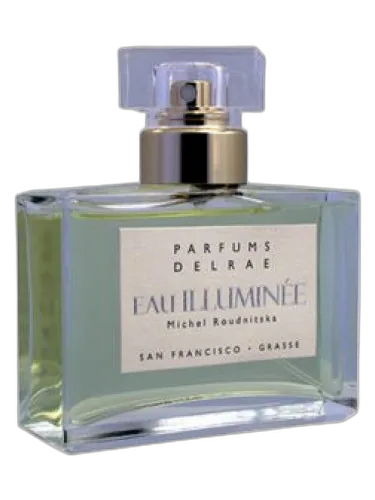
Parfums DelRae
Eau Illuminee Parfums Delrae
Shared top notes: green notes