
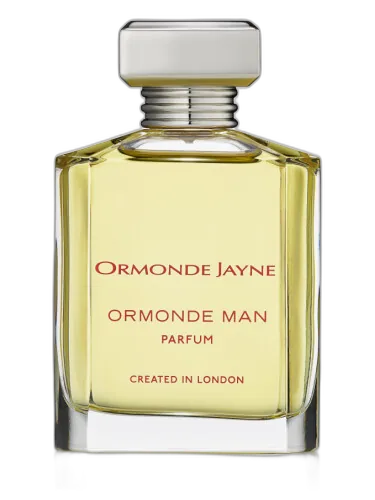

Ormonde Man Ormonde Jayne
At a glance
Is Ormonde Man Ormonde Jayne worth trying?
Ormonde Man by Ormonde Jayne is a Woody Spicy fragrance for men.
- Best match
- Evening wear in Fall
- Performance feel
- Excellent longevity with Strong sillage
- Signature profile
- woody, aromatic, warm spicy with Cardamom, Pink Pepper, Juniper Berries
The first impression
Ormonde Man by Ormonde Jayne is a Woody Spicy fragrance for men. Ormonde Man was launched in 2004. The nose behind this fragrance is Geza Schoen. Top notes are Cardamom, Pink Pepper, Juniper Berries, Bergamot and Coriander; middle notes are Black hemlock or Tsuga and Agarwood (Oud); base notes are Cedar, Sandalwood, Vetiver and Musk.
What shapes the scent
The perfumer behind it

Geza Schoen
Geza Schoen is a German perfumer known for his modern and minimalist approach to fragrance creation. He has worked on a wide range of compositions, from the fresh and aromatic Wakening Woods Of Scandinavia to the spicy Lime & Nutmeg and the citrusy Mandarine & Cardamom for 4711. His portfolio also includes the elegant Tzora for Anat Fritz and the bold Ultimate for Baldessarini, showcasing his versatility across different styles.
Notes pyramid
Top Notes
First impression · 15-30 min
 Cardamom
 Pink Pepper
 Juniper Berries
 Bergamot
 Coriander
Heart Notes
Core character · 2-4 hours
Black hemlock or Tsuga
 Agarwood (Oud)
Base Notes
Lasting impression · 4+ hours
 Cedar
Cedar
 Sandalwood
 Vetiver
 Musk
Musk
The mood it creates
The Sage Archetype: Portrait of Ormonde Man Ormonde Jayne
Essence
The Essence of the Fragrance
Ormonde Man by Ormonde Jayne is a scent of quiet power-dark, woody, yet softened by the unexpected grace of hemlock and violet. It does not shout; it lingers, leaving an impression of depth and mystery. The man who chooses this fragrance is not one for fleeting trends or superficial charm. He is drawn to the enigmatic, the timeless, the things that reveal themselves slowly.
Philosophy & Values
He believes in the power of knowledge, but not naively. He understands that wisdom is often heavy, that truth can be a burden as much as a liberation. His philosophy is one of measured skepticism-he questions, but not destructively. He seeks not to tear down but to understand.
His relationships are few but profound. He does not suffer fools, yet he is not unkind-he simply has little patience for hollow conversation. Those who earn his trust find a loyal, if occasionally distant, companion. He listens more than he speaks, but when he does, his words carry weight.
Romantically, he is drawn to those who match his depth-someone who can navigate silence without discomfort, who appreciates the unspoken as much as the spoken. He is not one for grand gestures, but his love, when given, is steadfast.
Shadow
Yet, the Sage’s greatest strength is also his flaw. His relentless pursuit of understanding can become a retreat from life itself. He risks becoming an observer rather than a participant, standing at the edge of human experience rather than diving in. His skepticism, if unchecked, can harden into cynicism-a belief that nothing is truly pure, that all motives are suspect.
There is also a quiet arrogance in his certainty. He may dismiss those who do not share his depth as shallow, failing to see that wisdom can wear many faces. His solitude, once a choice, can become a cage.
Conclusion
At his core, this man embodies the Sage archetype-the thinker, the observer, the seeker of hidden truths. He is not content with surface explanations; he digs deeper, probing the undercurrents of life, art, and human nature. His mind is a finely tuned instrument, sharpened by curiosity and tempered by patience. He values wisdom over wit, substance over spectacle.
His tastes reflect this. He prefers books that challenge rather than comfort-philosophy, esoteric history, or literature that demands rereading. His home is a sanctuary of dark woods, leather-bound volumes, and carefully chosen artifacts-each with a story, a meaning. His style is understated but deliberate: tailored but never flashy, favoring textures that age well-cashmere, tweed, well-worn leather.
If you like this, try these
Fragrances with a comparable profile - shared accords, notes, and character.
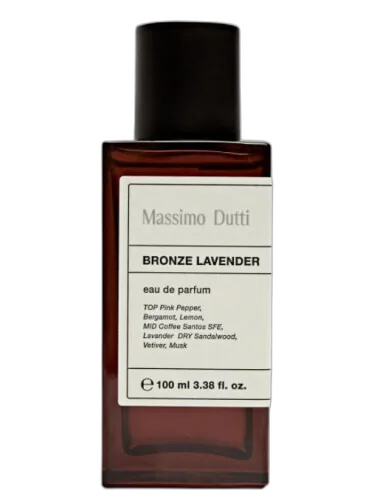
Massimo Dutti
Bronze Lavender Massimo Dutti
Shared top notes: bergamot, pink pepper
aromag 岩兰
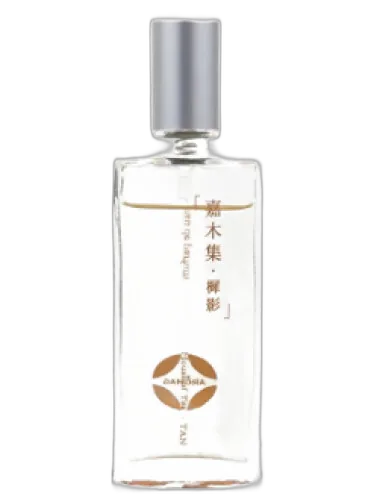
Golden Silhouette 樨影 Aromag 岩兰
Shared top notes: bergamot, cardamom, pink pepper
Aesop
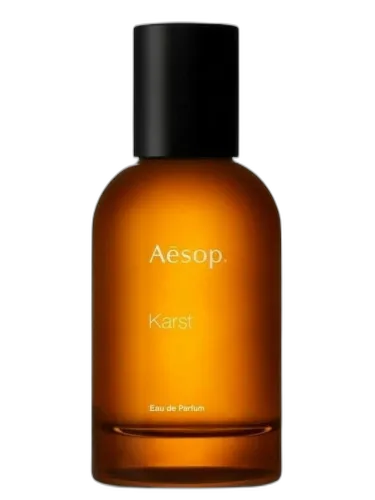
Karst Aesop
Shared top notes: bergamot, pink pepper
Seven Gates
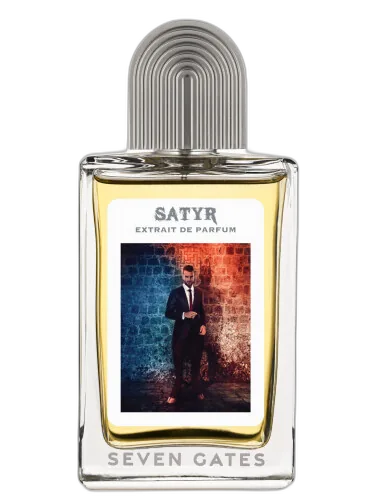
Satyr Seven Gates
Shared top notes: pink pepper

Jequiti
Aire Movimento Jequiti
Shared top notes: bergamot, cardamom