


A Tribute To Edith Parterre
At a glance
Is A Tribute To Edith Parterre worth trying?
A Tribute to Edith by Parterre is a Floral fragrance for women and men.
- Best match
- Evening wear in Spring
- Performance feel
- Good longevity with Moderate sillage
- Signature profile
- aromatic, rose, green with Geranium, Rhubarb, Whiskey
The first impression
A Tribute to Edith by Parterre is a Floral fragrance for women and men. The nose behind this fragrance is Jacques Chabert. Top notes are Geranium, Rhubarb and Whiskey; middle notes are Rose, Yarrow and Davana; base notes are Patchouli, Sandalwood and Benzoin.
What shapes the scent
The perfumer behind it
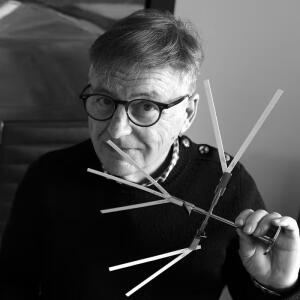
Jacques Chabert
Jacques Chabert is a perfumer known for his work with Aman and Molton Brown. For Aman, he created Alta, Ayom, Haru, Sei, Umbr, Vayu, and Zuac, each reflecting the brand's serene and natural ethos. He also composed Jubilant Pine & Patchouli for Molton Brown, a fragrance that balances woody and aromatic notes.
Notes pyramid
Top Notes
First impression · 15-30 min
 Geranium
 Rhubarb
 Whiskey
Heart Notes
Core character · 2-4 hours
 Rose
Rose
 Yarrow
 Davana
Base Notes
Lasting impression · 4+ hours
 Patchouli
 Sandalwood
 Benzoin
The mood it creates
The Lover Archetype: Portrait of A Tribute To Edith Parterre
Essence
To wear A Tribute to Edith Parterre is to embrace a fragrance that is at once delicate and defiant-a scent that whispers of old-world gardens yet hums with quiet rebellion. The person who chooses this fragrance is not merely drawn to its floral elegance but to the tension it embodies: the interplay of fragility and strength, tradition and subversion. Their soul is most closely aligned with the Lover archetype, though not in its most clichéd form. This is not mere romanticism, but a deeper devotion-to beauty, to passion, to the ephemeral moments that make life worth living.
Style & Aesthetic
Their home is a refuge, a place where every object tells a story. Antique perfume bottles line their vanity; shelves bow under the weight of poetry collections and art monographs. They take pleasure in slow rituals-brewing loose-leaf tea in a porcelain pot, arranging fresh-cut flowers in a Murano glass vase. They are drawn to cities like Paris or Kyoto, where history lingers in the air, but they could just as easily find magic in a quiet countryside cottage.
Professionally, they thrive in creative fields-writing, design, curation-where their sensitivity to nuance is an asset. They are not suited for rigid corporate structures; they wither under bureaucracy. Their work must feel like an extension of their soul, or they will grow restless.
Relationships
In love, they are both tender and demanding. They do not give their affection lightly; when they do, it is with an intensity that can be overwhelming. They crave depth, longing for a connection that transcends the ordinary-a love that feels like a shared secret, a private language. Their relationships are often marked by a certain theatricality, not because they are insincere, but because they view romance as a kind of performance art, where every glance and touch carries meaning.
Yet this very idealism can become their undoing. They are prone to disillusionment when reality fails to match their vision. They may idealize partners, only to resent them later for being human. Their shadow emerges in moments of possessiveness or melodrama, when their passion curdles into neediness. They must learn that love, like their beloved fragrance, is fleeting by nature-and that is precisely what makes it precious.
Shadow
The Lover’s greatest strength-their capacity for deep feeling-is also their weakness. When unbalanced, they may slip into hedonism, using beauty as an escape rather than a celebration. They might become overly nostalgic, clinging to the past like a fading scent. At their worst, they can be vain, self-absorbed, or prone to emotional manipulation, using charm as a weapon.
Yet even their flaws are born from an excess of what makes them remarkable: their refusal to accept a life without passion. To know them is to understand that they are not merely living but composing their existence like a symphony-sometimes dissonant, often sublime.
Conclusion
For this person, aesthetics are not superficial but sacred. They move through the world with an artist’s eye, attuned to the textures of life-the way light filters through lace curtains, the sound of a vinyl record crackling before the music begins, the scent of rain on cobblestones. Their tastes are refined but never ostentatious; they prefer the quiet luxury of well-worn leather-bound books over flashy displays of wealth. Their wardrobe is a carefully curated archive of vintage silhouettes, natural fabrics, and muted tones, punctuated by the occasional bold flourish-a silk scarf in deep burgundy, a pair of handcrafted boots.
Philosophically, they believe in the transformative power of beauty. To them, a perfectly arranged bouquet or a thoughtfully composed letter is not frivolous but an act of resistance against the mundane. They are drawn to poets like Rilke and Sappho, to painters like Klimt and Frida Kahlo-artists who understood that love and suffering are intertwined. Their values are rooted in authenticity; they despise artifice and empty gestures, seeking instead the raw, the honest, the deeply felt.
If you like this, try these
Fragrances with a comparable profile - shared accords, notes, and character.

Worth
Vers Toi Worth
Shared top notes: geranium

Yves Rocher
Moment De Bonheur Yves Rocher
Shared top notes: geranium
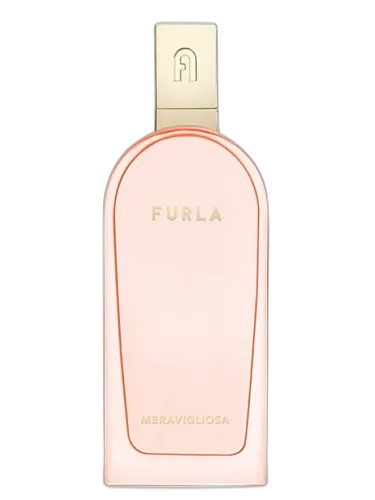
Furla
Meravigliosa Furla
Shared heart notes: rose
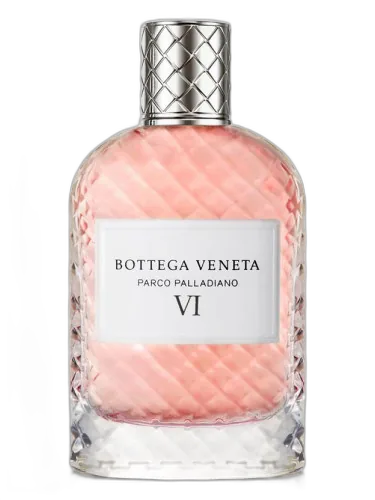
Bottega Veneta
Parco Palladiano Vi: Rosa Bottega Veneta
Shared heart notes: rose
The Naxos Apothecary
Yria The Naxos Apothecary
Shared heart notes: rose