
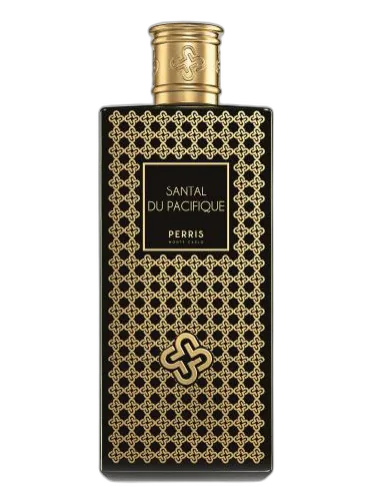

Santal Du Pacifique Perris Monte Carlo
At a glance
Is Santal Du Pacifique Perris Monte Carlo worth trying?
Santal du Pacifique by Perris Monte Carlo is a fragrance for women and men.
- Best match
- Evening wear in Fall
- Performance feel
- Very Good longevity with Moderate sillage
- Signature profile
- woody, powdery, warm spicy with Carrot, Violet, Gurjan balsam
The first impression
Santal du Pacifique by Perris Monte Carlo is a fragrance for women and men. Santal du Pacifique was launched in 2016. The nose behind this fragrance is Mathieu Nardin. Top note is Carrot; middle notes are Violet, Gurjan balsam, Lip gloss and Orchid; base notes are Sandalwood and Musk.
What shapes the scent
The perfumer behind it

Mathieu Nardin
Mathieu Nardin is a versatile perfumer with creations for 100 Bon, 4711, and Al-Jazeera Perfumes. His scents include Elemi & Ambre, Matcha & Frangipani, and Jade. He has also worked on Acqua Reale and Agarthi fragrances, showcasing a broad range of styles.
Notes pyramid
Top Notes
First impression · 15-30 min
 Carrot
Heart Notes
Core character · 2-4 hours
 Violet
 Gurjan balsam
Lip gloss
Gurjan balsam
Lip gloss
 Orchid
Base Notes
Lasting impression · 4+ hours
 Sandalwood
 Musk
Musk
The mood it creates
The Sage Archetype: Portrait of Santal Du Pacifique Perris Monte Carlo
Essence
The person drawn to Santal Du Pacifique by Perris Monte Carlo is, at their core, a Sage-an archetype defined by wisdom, introspection, and a quiet but unshakable presence. Like the fragrance itself-warm, woody, and subtly oceanic-they exude depth without ostentation. The Sage seeks truth, not in grand proclamations, but in the slow accumulation of understanding. They are the observer, the thinker, the one who listens more than they speak, yet when they do, their words carry weight.
But the Sage is not merely a passive scholar. Their wisdom is lived, tested, and refined through experience. They are drawn to the scent of sandalwood not for its fleeting sweetness, but for its enduring, meditative richness-a fragrance that lingers like memory, like philosophy, like the quiet certainty of a well-examined life.
Relationships
They do not collect friends; they cultivate them. Their circle is small, but each connection is meaningful. They are the confidant, the advisor, the one who listens without judgment and speaks with measured wisdom. Romantic partners are drawn to their calm, their intelligence, their ability to see beyond surface emotions. Yet they are not without passion-it simply runs deeper, like an underground river.
Their love is patient, but not indulgent. They expect the same depth they offer, and they will withdraw if they sense superficiality. They are not cruel, but they are discerning-sometimes to a fault.
Shadow
The Sage’s greatest strength-their self-sufficiency-can become their greatest flaw. In their pursuit of wisdom, they may retreat too far, mistaking solitude for enlightenment. They can grow detached, even cold, dismissing emotions as distractions rather than vital human experiences. Their sharp intellect may turn inward, dissecting their own flaws with merciless precision, leading to self-doubt disguised as objectivity.
At worst, they become the Recluse, the one who observes life but no longer participates in it. Their wisdom, once a guiding light, becomes a cage.
Conclusion
Their tastes are deliberate, never accidental. They prefer the understated over the flamboyant-linen over silk, matte over gloss, the well-worn book over the untouched bestseller. Their home is a sanctuary: perhaps a loft with high ceilings and warm wood tones, or a cottage by the sea where the air smells of salt and old paper. They surround themselves with objects that have meaning-a Japanese tea set, a vintage typewriter, a shelf of philosophy texts with dog-eared pages.
They move through the world with a quiet confidence, unbothered by trends. Their wardrobe is minimal but precise: tailored trousers, a perfectly fitted blazer, a single piece of jewelry-perhaps a signet ring or a thin silver chain. They do not dress to impress, but to feel themselves.
Philosophically, they are drawn to Stoicism, Zen Buddhism, or the existentialists-systems that prize self-awareness and detachment from frivolity. They believe in the power of silence, in the discipline of thought, in the necessity of solitude. Yet they are not hermits; they engage with the world, but on their own terms.
If you like this, try these
Fragrances with a comparable profile - shared accords, notes, and character.
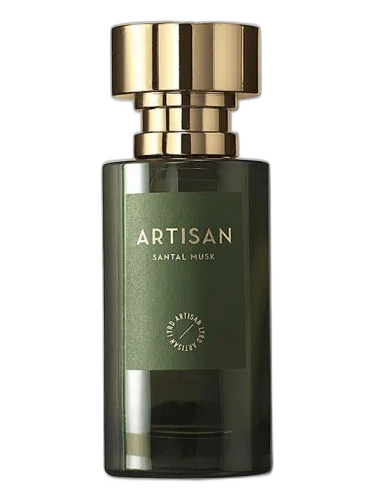
Avon
Artisan Santal Musk Avon
Shared base notes: musk, sandalwood
Ormonde Jayne
Xian Ormonde Jayne
Shared base notes: musk, sandalwood
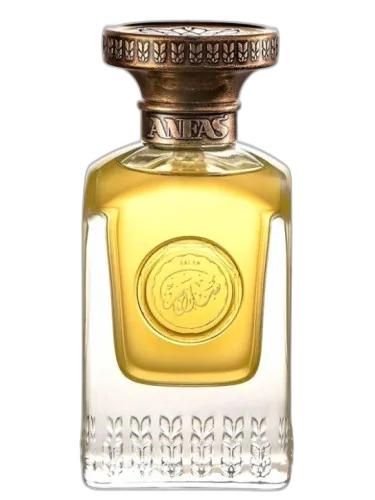
Anfas
Salam Anfas
Shared base notes: musk, sandalwood
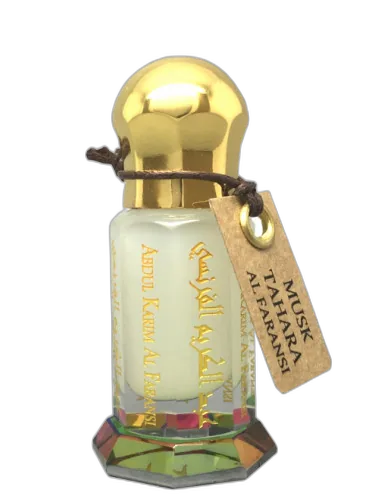
Abdul Karim Al Faransi
Musk Tahara Al Faransi Abdul Karim Al Faransi
Shared base notes: musk, sandalwood
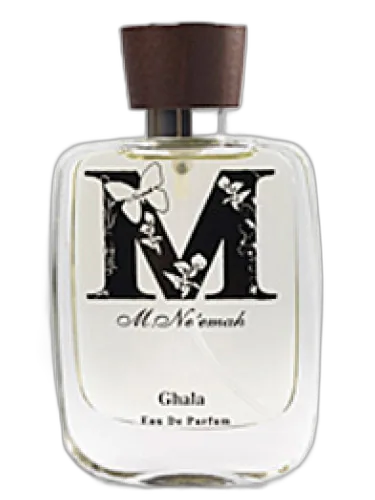
Ne'emah For Fragrance & Oudh
Ghala Ne'emah For Fragrance & Oudh
Shared base notes: musk, sandalwood