
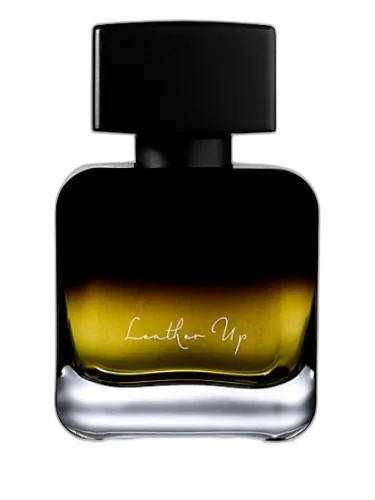
Leather Up Phuong Dang
At a glance
Is Leather Up Phuong Dang worth trying?
Leather Up by Phuong Dang is a Leather fragrance for women and men.
- Best match
- Evening wear in Fall
- Performance feel
- Very Good longevity with Strong sillage
- Signature profile
- woody, powdery, leather with Whiskey, Aldehydes, Carrot Seeds
The first impression
Leather Up by Phuong Dang is a Leather fragrance for women and men. Leather Up was launched in 2016. The nose behind this fragrance is Bertrand Duchaufour. Top notes are Whiskey, Aldehydes, Carrot Seeds, Saffron, Bergamot and Mandarin Orange; middle notes are Leather, Iris Flower, Suede, Moroccan Rose, Mimosa, Carnation and Olibanum; base notes are Cypriol Oil or Nagarmotha, Indian Patchouli, Laotian Oud, Ambergris, Musk, Labdanum and Moss.
What shapes the scent
The perfumer behind it

Bertrand Duchaufour
Bertrand Duchaufour is a renowned French perfumer with a prolific career spanning many brands. He has created fragrances for Acqua di Parma, including Blu Mediterraneo - Cipresso Di Toscana and Colonia Assoluta, as well as for Aedes de Venustas, such as Café Tabac and Copal Azur. His style is known for its complexity and use of natural ingredients.
Notes pyramid
Top Notes
First impression · 15-30 min
 Whiskey
 Aldehydes
 Carrot Seeds
 Saffron
 Bergamot
 Mandarin Orange
Heart Notes
Core character · 2-4 hours
 Leather
 Iris Flower
 Suede
Moroccan Rose
Suede
Moroccan Rose
 Mimosa
 Carnation
Olibanum
Carnation
Olibanum
Base Notes
Lasting impression · 4+ hours
 Cypriol Oil or Nagarmotha
Indian Patchouli
Cypriol Oil or Nagarmotha
Indian Patchouli
 Laotian Oud
 Ambergris
 Musk
Musk
 Labdanum
Moss
Labdanum
Moss
The mood it creates
The Explorer Archetype: Portrait of Leather Up Phuong Dang
Essence
To wear Leather Up by Phuong Dang is to embrace a fragrance that is unapologetically bold-smoky, animalic, with the raw edge of leather and the warmth of spice. It is not a scent for those who seek comfort in convention. The person who chooses this fragrance is drawn to the untamed, the visceral, the unrefined. They are, at their core, a Rebel-an archetype that thrives on defiance, autonomy, and the refusal to be tamed by societal expectations.
This is someone who moves through the world with a quiet but unmistakable resistance. They do not rebel for the sake of spectacle, but because they cannot breathe in the stale air of conformity. Their philosophy is simple: life is too short to live by another’s rules. They reject the notion that happiness must be found in prescribed paths-career ladders, suburban stability, or the pursuit of polite approval. Instead, they seek authenticity, even when it comes at a cost.
Their style mirrors this ethos. They favor textures that tell a story-worn leather jackets, rugged boots, perhaps a scar or two from past adventures. Their aesthetic is not curated for trends but for lived experience. They might wear a perfectly tailored suit, but with a disheveled edge, as if to say, I respect tradition, but I will not be bound by it.
Shadow
Yet, the Rebel’s strength can become their undoing. Their refusal to conform can harden into a reflexive opposition to any structure, even those that might serve them. They may dismiss wisdom as control, mistaking every boundary for a cage. This can lead to self-sabotage-burning bridges, rejecting stability, or romanticizing chaos to the point of exhaustion.
In relationships, their fear of being owned can make intimacy difficult. They may withdraw when things become too comfortable, mistaking depth for dependency. Their disdain for societal norms can also manifest as cynicism, a bitterness that stains their worldview. The Rebel must learn that true freedom is not just the absence of constraints, but the ability to choose one’s own.
Conclusion
The Rebel’s greatest strength is their refusal to be domesticated. They are fiercely independent, often the first to challenge hypocrisy or question authority. In relationships, they are loyal but never possessive-they understand that love, like freedom, cannot be caged. Their friendships are deep but few, reserved for those who share their disdain for superficiality.
Professionally, they thrive in roles that allow them autonomy-entrepreneurship, creative fields, or work that demands resilience. They are not afraid of risk, for stagnation is their true enemy. Their values are rooted in personal sovereignty: they believe in the right to define one’s own meaning, even if it means walking alone.
If you like this, try these
Fragrances with a comparable profile - shared accords, notes, and character.
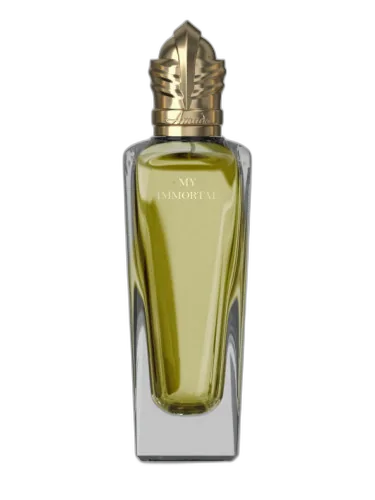
Amado
My Immortal Amado
Shared top notes: bergamot, mandarin orange, saffron
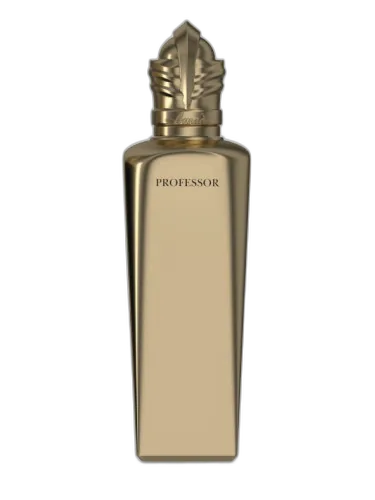
Amado
Professor Amado
Shared top notes: bergamot, mandarin orange, saffron
Penhaligon's
Tralala Penhaligon's
Shared top notes: aldehydes, saffron, whiskey
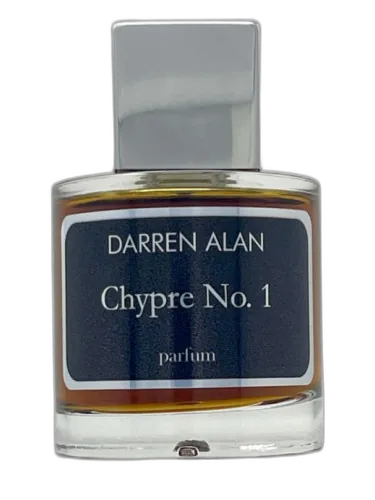
Darren Alan Perfumes
Chypre No.1 Parfum Darren Alan Perfumes
Shared top notes: bergamot
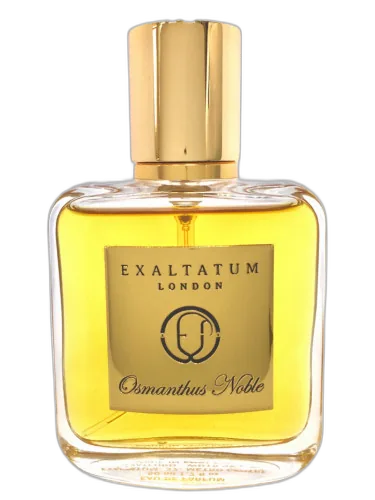
Exaltatum
Osmanthus Noble Exaltatum
Shared top notes: aldehydes, bergamot, mandarin orange