
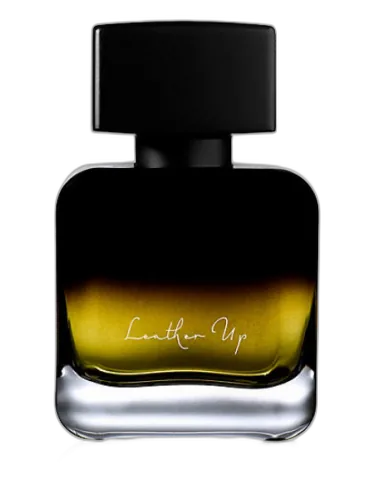
Leather Up Phuong Dang
Fragrance Story
Leather Up by Phuong Dang is a Leather fragrance for women and men. Leather Up was launched in 2016. The nose behind this fragrance is Bertrand Duchaufour. Top notes are Whiskey, Aldehydes, Carrot Seeds, Saffron, Bergamot and Mandarin Orange; middle notes are Leather, Iris Flower, Suede, Moroccan Rose, Mimosa, Carnation and Olibanum; base notes are Cypriol Oil or Nagarmotha, Indian Patchouli, Laotian Oud, Ambergris, Musk, Labdanum and Moss.
Composition Profile
About the Perfumer

Bertrand Duchaufour
Bertrand Duchaufour is a renowned French perfumer with a prolific career spanning many brands. He has created fragrances for Acqua di Parma, including Blu Mediterraneo - Cipresso Di Toscana and Colonia Assoluta, as well as for Aedes de Venustas, such as Café Tabac and Copal Azur. His style is known for its complexity and use of natural ingredients.
Fragrance Notes
Top Notes
First impression · 15-30 min
 Whiskey
 Aldehydes
 Carrot Seeds
 Saffron
 Bergamot
 Mandarin Orange
Heart Notes
Core character · 2-4 hours
 Leather
 Iris Flower
 Suede
Moroccan Rose
Suede
Moroccan Rose
 Mimosa
 Carnation
Olibanum
Carnation
Olibanum
Base Notes
Lasting impression · 4+ hours
 Cypriol Oil or Nagarmotha
Indian Patchouli
Cypriol Oil or Nagarmotha
Indian Patchouli
 Laotian Oud
 Ambergris
 Musk
Musk
 Labdanum
Moss
Labdanum
Moss
Leather Up Phuong Dang by Phuong Dang offers a distinctive olfactory experience that stands out from other fragrances in its category.
Crafted with the finest ingredients and a blend of traditional and modern perfumery techniques, this fragrance represents the pinnacle of the perfumer's art.
Leather Up Phuong Dang embodies the distinctive style of Phuong Dang while adding a unique chapter to their fragrance portfolio.
Character Profile
The Rebel Archetype: Portrait of Leather Up Phuong Dang
Essence
To wear Leather Up Phuong Dang is to declare oneself unbound-a fragrance of smoked leather, dark spices, and a faint, lingering animalic musk. It is not a scent for those who seek comfort in the familiar; it is for those who carve their own path, who reject the softness of convention in favor of something rougher, more primal. The person who chooses this fragrance is not merely a wearer of scents but a wielder of them, using aroma as an extension of their defiance.
This individual is most closely aligned with the Rebel archetype-a figure who thrives on disruption, who sees rules as obstacles to be dismantled rather than obeyed. The Rebel does not seek chaos for its own sake but resists anything that feels oppressive, inauthentic, or stagnant. They are the one who questions authority, who challenges tradition, who refuses to be tamed.
Yet, like all archetypes, the Rebel has a shadow. When unbalanced, their defiance can curdle into mere contrarianism, their independence into isolation, their strength into recklessness. The scent of leather and smoke is not just a statement-it is a warning.
Relationships
They do not form bonds lightly. Their friendships are few but fierce, built on mutual respect for autonomy. They attract admirers-people drawn to their untamed energy-but these connections often burn fast and bright before fading. Romance is complicated; they crave passion but resist possession. They love deeply but conditionally, always reserving the right to walk away.
Their relationships are marked by intensity and impermanence. They are not cruel, but they are often distant, unwilling to compromise their independence for the sake of attachment. Those who try to cage them-even with love-will find only resistance.
Shadow
The Rebel’s greatest strength is also their greatest weakness. Their refusal to conform can become a prison of its own-a rigid insistence on nonconformity that leaves no room for growth. They may mistake recklessness for courage, isolation for strength.
At their worst, they sabotage stability, mistaking comfort for weakness. They may push away those who care for them, not out of malice but out of an ingrained fear of being controlled. Their defiance, once a source of power, can become a cycle of self-destruction.
Conclusion
Their tastes are bold, unapologetic. They prefer music that thrums with raw energy-garage rock, industrial, the guttural pulse of techno. In literature, they are drawn to the works of outcasts and provocateurs: Bukowski, Burroughs, the Marquis de Sade. They do not read for comfort but for confrontation, seeking words that mirror their own restlessness.
Their style is a deliberate rejection of the polished and the proper. Worn leather jackets, scuffed boots, perhaps a tattoo that means more to them than they would ever admit. They do not dress to impress but to assert-each garment a small act of defiance.
Philosophically, they are existential in the truest sense. They believe meaning is not given but seized, that life is only as valuable as the freedom one claims within it. They have little patience for dogma, whether religious, political, or social. Their morality is self-made, a code forged in defiance of external expectations.
Similar Fragrances
Fragrances with a comparable profile - shared accords, notes, and character.
Phuong Dang
Leather Up Phuong Dang
Shared accords: amber, animalic, citrus

Lumiere
Irina Lumiere
Shared accords: amber, animalic, citrus
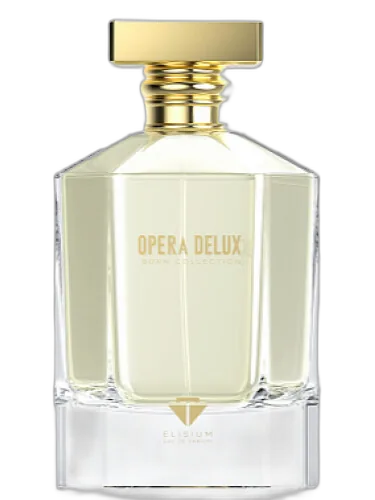
Elisium
Opera Delux Elisium
Shared accords: amber, animalic, citrus

Mercedes-Benz
Mercedes Benz Club Extreme Mercedes-benz
Shared accords: amber, animalic, citrus
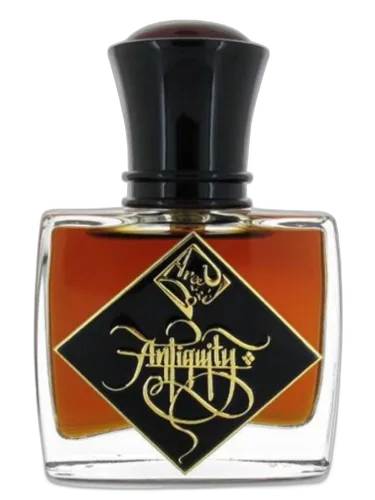
Areej Le Doré
Antiquity Areej Le Doré
Shared accords: amber, animalic, earthy