


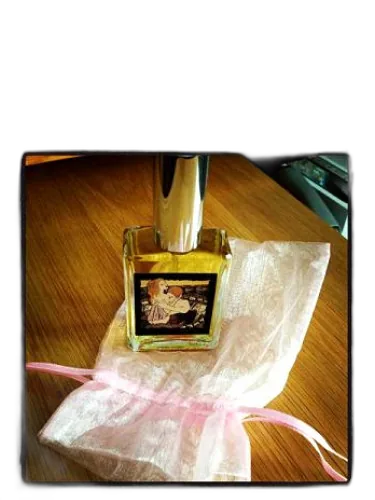
Chandlery Pineward Perfumes
At a glance
Is Chandlery Pineward Perfumes worth trying?
Chandlery by Pineward Perfumes is a Aromatic Spicy fragrance for women and men.
- Best match
- Casual wear in Winter
- Performance feel
- Good longevity with Moderate sillage
- Signature profile
- floral, warm spicy, beeswax with Beeswax, Cinnamon, Lavender
The first impression
Chandlery by Pineward Perfumes is a Aromatic Spicy fragrance for women and men. Chandlery was launched in 2021. The nose behind this fragrance is Nicholas Nilsson.
What shapes the scent
The perfumer behind it

Nicholas Nilsson
Nicholas Nilsson is the founder and perfumer behind Pineward Perfumes, a brand known for forest-inspired fragrances. His creations include Apple Tabac, Autumnal, Bindebole, Boreal, Borealis, Brokilän, Bucolic, and Chandlery. Nilsson's work often evokes the natural landscapes of woodlands and the changing seasons.
Notes pyramid
All Notes
Complete scent profile
 Beeswax
 Cinnamon
 Lavender
 Vanilla
 Champaca
 Anise
Anise
 Deer Tongue Grass
 Carnation
 Tuberose
 Vetiver
The mood it creates
The Lumberjack Archetype: Portrait of Chandlery Pineward Perfumes
Essence
The person who gravitates toward Chandlery by Pineward Perfumes is drawn to the scent of raw timber, smoldering embers, and the crisp bite of winter air clinging to bark. They embody the Lumberjack archetype-an individual rooted in primal strength, self-reliance, and an unshakable connection to the wild. This archetype is not merely about physical ruggedness but a philosophical stance: a rejection of artifice, a reverence for nature’s indifference, and a deep-seated belief in the virtue of endurance.
Style & Aesthetic
Their tastes are unpretentious but deliberate. They prefer natural materials-worn leather, heavy wool, unvarnished wood-over sleek modernity. Their home, if they have one, is a sanctuary of rough-hewn simplicity: a cabin with exposed beams, a fireplace that crackles with resinous pine, shelves lined with well-thumbed books on botany, survivalism, or stoic philosophy. They may wear flannel not as fashion but as armor against the elements.
Music for them is not mere entertainment but an invocation-folk ballads of lost travelers, the drone of a lone fiddle, or the hum of wind through pines. They drink black coffee or whiskey neat, savoring the bitterness as a reminder of life’s unadorned truths.
They may live on the fringes-a cabin in the woods, a remote homestead, or simply a city apartment filled with potted evergreens and the scent of cedar. Their work is often hands-on: carpentry, forestry, blacksmithing, or any craft that demands patience and tangible results. Even if bound to an urban existence, they escape frequently, hiking, foraging, or simply sitting beneath an old tree to remember what is real.
Philosophy & Values
They believe in the virtue of hardship. Comfort, to them, is a slow poison; adversity is the whetstone that sharpens the spirit. Their moral code is not derived from dogma but from the rhythms of the natural world-cycles of growth, decay, and rebirth. They distrust institutions, seeing them as cages for the human spirit, and instead place faith in self-sufficiency.
Yet theirs is not a philosophy of mere survival. They find poetry in the struggle, beauty in the austerity of a winter forest. They are drawn to thinkers like Thoreau, Nietzsche, and the ancient Stoics-those who preached the dignity of self-mastery and the necessity of solitude.
Relationships
They are not a hermit by necessity but by choice. Their relationships are few but fiercely loyal. They do not suffer fools, nor do they tolerate those who mistake sentimentality for depth. Their love, when given, is steadfast but undemonstrative-a hand on the shoulder speaks louder than empty vows.
Romantically, they are drawn to those who match their independence. A partner must understand that their need for solitude is not rejection but a sacred ritual. They will not bend to societal expectations of coupledom; their bond is forged in mutual respect, not dependency.
Shadow
For all their strength, they risk becoming rigid. Their disdain for weakness can curdle into intolerance, their self-reliance into isolation. They may mistake emotional detachment for wisdom, refusing to acknowledge their own vulnerabilities until they splinter under pressure.
There is also the danger of romanticizing struggle-believing that suffering is inherently noble, even when unnecessary. They may dismiss those who seek comfort as weak, failing to see that resilience need not always be solitary or joyless.
Conclusion
The lover of Chandlery is a figure of paradox-both guardian and wanderer, stoic and poet. They do not fear the dark because they have learned to carry their own light. Their flaws are the knots in their grain, the scars of storms weathered. But in their presence, one feels the quiet assurance of something ancient and unbroken-the enduring spirit of the wild, distilled into a single, unwavering life.
If you like this, try these
Fragrances with a comparable profile - shared accords, notes, and character.

Sucreabeille
Coffre Au Tresor Sucreabeille
Shared top notes: beeswax, cinnamon, vanilla

Mischief Academy
Winnie The Pooh Mischief Academy
Shared top notes: beeswax, lavender, vanilla

Black Phoenix Alchemy Lab
Defututa Black Phoenix Alchemy Lab
Shared top notes: champaca, cinnamon, vanilla

Bottega Profumiera
Galantuomo Bottega Profumiera
Shared top notes: anise, cinnamon, vanilla
Skye Botanicals
Lavender Honey Skye Botanicals
Shared top notes: beeswax, lavender, tuberose