


Versilia Aurum Profumi Del Forte
At a glance
Is Versilia Aurum Profumi Del Forte worth trying?
Versilia Aurum by Profumi del Forte is a Oriental Floral fragrance for women and men.
- Best match
- Evening, Special Occasion wear in Fall, Winter
- Performance feel
- Very Good longevity with Strong sillage
- Signature profile
- vanilla, sweet, powdery with Strawberry, Plum, Orange
The first impression
Versilia Aurum by Profumi del Forte is a Oriental Floral fragrance for women and men. Versilia Aurum was launched in 2011. The nose behind this fragrance is Arturetto Landi. Top notes are Strawberry, Plum and Orange; middle notes are Heliotrope, Ylang-Ylang, Tuberose, Orchid, Iris, Rose, Jasmine and Lily-of-the-Valley; base notes are Vanille, Tonka Bean, Tolu Balsam, Peru Balsam, Sandalwood, Musk and Ambergris.
What shapes the scent
The perfumer behind it

Arturetto Landi
Arturetto Landi is an Italian perfumer known for his work with brands like Adjiumi and Al-Jazeera Perfumes. His style balances classic structure with bold contrasts, often blending rich resins with unexpected floral or gourmand notes. Notable creations include the complex 1918 Parfum National series and the intense, darkly sweet Adjiumi Incubo.
Notes pyramid
Top Notes
First impression · 15-30 min
 Strawberry
 Plum
Plum
 Orange
Heart Notes
Core character · 2-4 hours
 Heliotrope
 Ylang-Ylang
 Tuberose
 Orchid
 Iris
Iris
 Rose
Rose
 Jasmine
 Lily-of-the-Valley
Base Notes
Lasting impression · 4+ hours
Vanille
 Tonka Bean
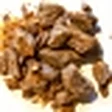 Tolu Balsam
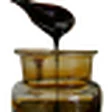 Peru Balsam
 Sandalwood
 Musk
Musk
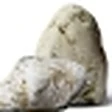 Ambergris
The mood it creates
The Alchemist Archetype: Portrait of Versilia Aurum Profumi Del Forte
Essence
To wear Versilia Aurum by Profumi del Forte is to declare oneself a seeker of refinement-not mere luxury, but a deeper, almost alchemical transformation of the self. This fragrance, with its golden warmth, its interplay of amber, vanilla, and spices, is not for those who merely wish to smell pleasant. It is for those who wish to emanate something-an aura of mastery, of having distilled life’s chaos into something precious.
The person who chooses this scent is not content with superficiality. They are drawn to the philosopher’s stone of existence-the pursuit of turning base experiences into wisdom, raw emotions into art, fleeting moments into lasting meaning.
The dominant archetype here is The Alchemist-a figure who seeks to transmute the ordinary into the extraordinary. Like the medieval sages who pursued the transformation of lead into gold, this individual is driven by a belief in personal evolution. They are not merely collectors of experiences but refiners of them.
Why The Alchemist?
- Transformation as a Core Value: They see life as a crucible, where suffering, joy, and mundanity must all be processed into something greater.
- Aesthetic as Alchemy: Their tastes-whether in fragrance, clothing, or art-are not arbitrary but deliberate, chosen for their symbolic weight.
- The Quest for Depth: Superficial pleasures bore them; they crave the hidden layers, the esoteric meanings beneath the obvious.
Shadow
The Peril of Perfectionism
The Alchemist’s greatest strength is also their greatest weakness: the relentless drive to refine can become a prison. They may grow impatient with those who do not share their intensity, dismissing simpler joys as "unworthy." Their pursuit of the ideal can make them disdainful of the imperfect, leading to isolation.
The Burden of Self-Mythology
They risk becoming trapped in their own narrative-the sage, the seeker, the one who understands. This can breed arrogance, a subtle belief that they are above the messiness of ordinary life. When reality contradicts their self-image, they may retreat further into abstraction rather than confront it.
The Fear of Stagnation
For them, stagnation is a kind of death. This can manifest as restlessness-an inability to enjoy the present because they are already plotting the next transformation. Relationships may suffer if they demand constant evolution from partners who crave stability.
Conclusion
Taste & Style
Their aesthetic is one of controlled opulence-nothing garish, nothing excessive, but everything meticulously chosen. They favor textures that suggest history (aged leather, raw silk), colors that carry weight (deep burgundy, burnished gold), and objects that whisper rather than shout. Their wardrobe is not large, but each piece is a statement, a fragment of a larger philosophy.
Philosophy & Values
They believe in the refinement of the self as the highest pursuit. Stoicism appeals to them-not as a rejection of pleasure, but as a means of mastering it. They value intelligence, but not mere cleverness; wisdom must be lived, not just spoken. Their morality is not rigid but fluid, shaped by experience rather than dogma.
Relationships
They attract others effortlessly, not through force but through magnetism. Their presence is a quiet challenge: Can you keep up? Their closest bonds are with those who share their hunger for depth-conversations with them are never small talk, but excavations of meaning. Romance, for them, is a dance of intellect and passion, never one without the other.
Lifestyle
They move through the world with deliberate grace. Their home is a sanctuary-books arranged not by genre but by thematic resonance, art chosen for its emotional resonance rather than its market value. They may collect rare objects, not for status, but for the stories they hold. Their career, whatever it is, is less about money and more about legacy-what will remain when they are gone?
If you like this, try these
Fragrances with a comparable profile - shared accords, notes, and character.
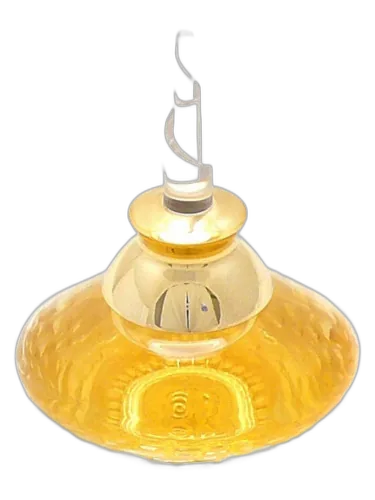
Shiseido
Angelique Shiseido
Shared top notes: plum
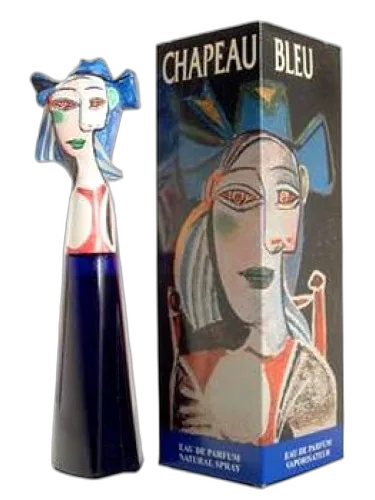
Marina Picasso
Chapeau Bleu Marina Picasso
Shared heart notes: jasmine, lily-of-the-valley, orchid
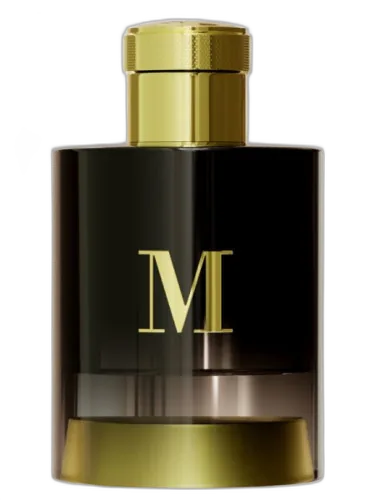
Pantheon Roma
Pantheon M Pantheon Roma
Shared top notes: plum, strawberry
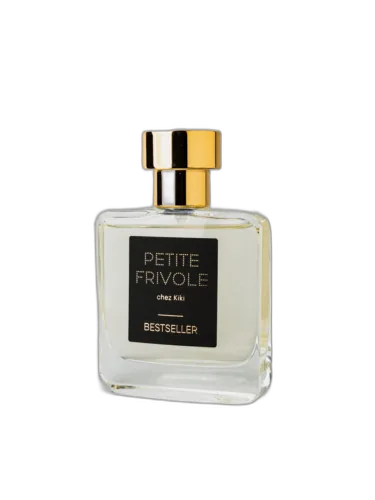
BESTSELLER
Petit Frivole Bestseller
Shared top notes: strawberry
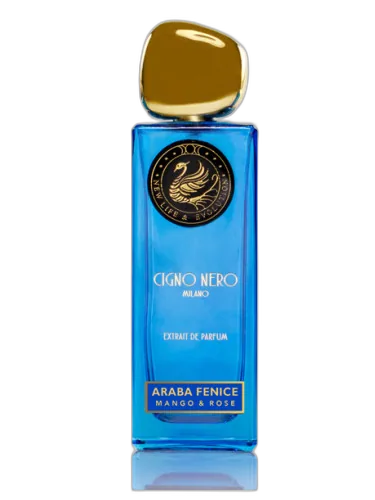
Cigno Nero
Araba Fenice Cigno Nero
Shared top notes: plum, strawberry