
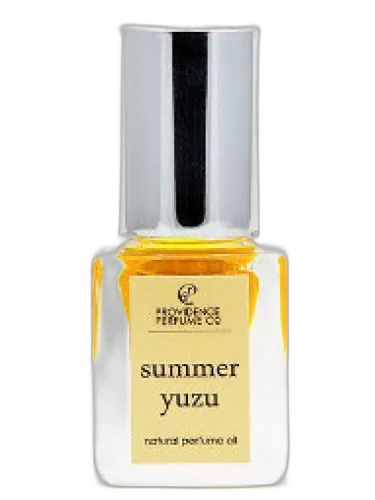

Summer Yuzu Providence Perfume Co.
At a glance
Is Summer Yuzu Providence Perfume Co. worth trying?
Summer Yuzu by Providence Perfume Co.
- Best match
- Casual wear in Spring, Summer
- Performance feel
- Moderate longevity with Moderate sillage
- Signature profile
- citrus, floral, aromatic with Aglaia, Citron, Yuzu
The first impression
Summer Yuzu by Providence Perfume Co. is a Floral Fruity fragrance for women and men. Summer Yuzu was launched in 2014. The nose behind this fragrance is Charna Ethier.
What shapes the scent
The perfumer behind it

Charna Ethier
Charna Ethier is a perfumer and founder of Providence Perfume Co., where she has created numerous fragrances. Her portfolio includes Basil & Bartlett, Bay Rum Cologne, Branch & Vine, Cocoa Tuberose, Divine Noir, Divine, Drunk On The Moon, and Eva Luna. She is known for using natural ingredients to craft complex, artisanal scents.
Notes pyramid
All Notes
Complete scent profile
 Aglaia
 Citron
 Yuzu
Yuzu
 Tomato
 Olibanum
Pink Grapefruit
Olibanum
Pink Grapefruit
 Sunflower
The mood it creates
The Lover Archetype: Portrait of Summer Yuzu Providence Perfume Co.
Essence
At the core of this person’s being lies the Innocent, an archetype defined by purity, optimism, and an unwavering belief in the goodness of life. The fragrance Summer Yuzu-bright, citrusy, with a touch of sun-warmed earth-mirrors their essence: unburdened by cynicism, drawn to simplicity, yet not naive. They do not deny darkness; they simply choose to face it with the conviction that joy is a discipline, not an accident.
Relationships
They are the friend who remembers birthdays, who brings homemade marmalade as a housewarming gift, who listens without judgment. Their love is generous but never suffocating. They do not cling; they appreciate. Romantic partners are drawn to their effortless warmth, though some may mistake it for fragility. It is not. Beneath the softness is a spine of quiet resilience.
Yet, relationships can be their blind spot. Their optimism sometimes leads them to overlook red flags, to forgive too easily, to assume the best of people who do not deserve it. They are slow to anger, slower still to cut ties-even when they should.
Shadow
The Innocent’s greatest weakness is their reluctance to acknowledge the depth of human cruelty-not in the world at large, but in those closest to them. They can be too trusting, too willing to explain away malice as misunderstanding. When betrayed, they do not rage; they retreat, bewildered, as if the universe itself has broken a sacred contract.
Their other flaw is a subtle avoidance of complexity. They prefer life in soft focus, shying away from harsh truths that threaten their equilibrium. They may suppress their own darker emotions-resentment, envy, grief-believing that to dwell on them would taint their spirit. But unacknowledged shadows do not disappear; they fester.
Conclusion
Their tastes are clean, uncluttered, yet deliberate. They prefer natural fabrics-linen, cotton-in soft, muted tones that whisper rather than shout. Their home is filled with sunlight, plants that thrive on neglect, and well-worn books with dog-eared pages. They are drawn to Japanese aesthetics-wabi-sabi, the beauty of imperfection-and find poetry in the way light filters through a half-empty glass of iced tea.
Philosophy is not an abstract exercise for them; it is lived. They believe in small, meaningful rituals-morning tea, evening walks-as anchors in a chaotic world. Their values are rooted in kindness, but not the saccharine kind. Their kindness is deliberate, a quiet resistance against the world’s harshness. They do not preach optimism; they embody it, like a citrus tree that bears fruit even in rocky soil.
If you like this, try these
Fragrances with a comparable profile - shared accords, notes, and character.
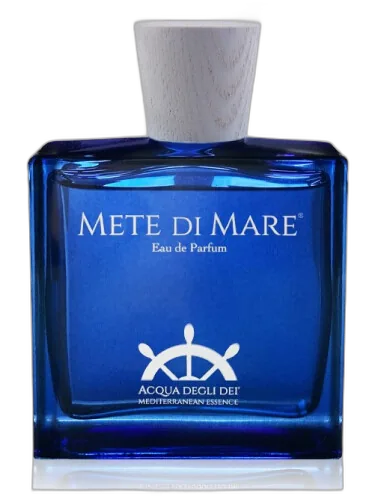
Acqua degli Dei
Mete Di Mare Acqua Degli Dei
Shared accords: aromatic, citrus, floral

Carolina Herrera
Mad World Carolina Herrera
Shared accords: aromatic, citrus, floral

Chopard
Happy Chopard Felicia Roses Chopard
Shared top notes: pink grapefruit
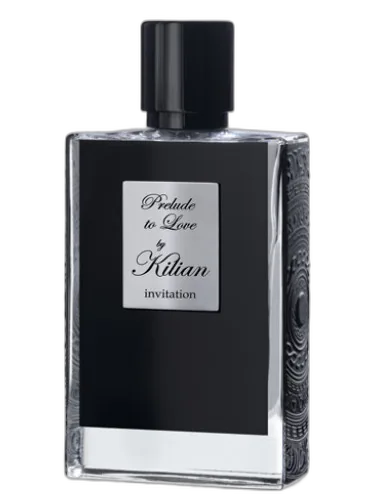
By Kilian
Prelude To Love By Kilian
Shared accords: aromatic, citrus, floral
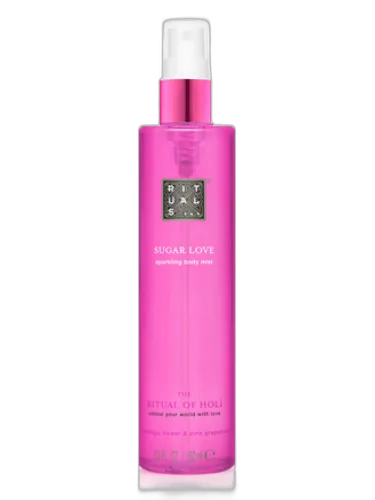
Rituals
Ritual Of Holi Sugar Love Rituals
Shared top notes: pink grapefruit