
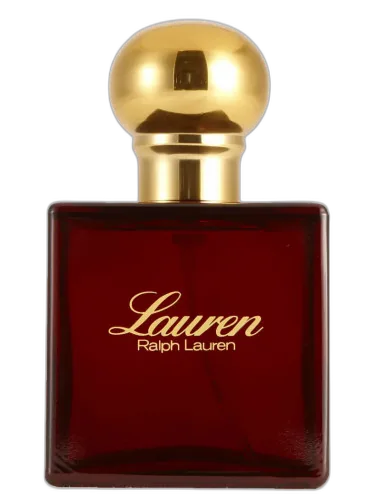

Lauren Ralph Lauren
At a glance
Is Lauren Ralph Lauren worth trying?
Lauren by Ralph Lauren is a Floral Green fragrance for women.
- Best match
- Office wear in Spring
- Performance feel
- Good longevity with Moderate sillage
- Signature profile
- floral, green, woody with Green Notes, Clary Sage, Brazilian Rosewood
The first impression
Lauren by Ralph Lauren is a Floral Green fragrance for women. Lauren was launched in 1978. Lauren was created by Bernard Chant and Nicholas Calderone. Top notes are Green Notes, Clary Sage, Brazilian Rosewood and Pineapple; middle notes are Lilac, Lily-of-the-Valley, Cyclamen, Bulgarian Rose, Jasmine and Violet; base notes are Carnation, Oakmoss, Cedar, Sandalwood and Vetiver.
What shapes the scent
The perfumer behind it

Bernard Chant
Bernard Chant is a renowned perfumer known for iconic creations such as Aramis, Devin, Gold, and Jhl for Aramis, as well as Aromatics Elixir for Clinique, Imprevu for Coty, and Aliage for Estée Lauder. His work also includes Antonia's Flowers for Antonia's Flowers. Chant's style is marked by bold, complex compositions that have become classics in modern perfumery.
Notes pyramid
Top Notes
First impression · 15-30 min
 Green Notes
 Clary Sage
 Brazilian Rosewood
 Pineapple
Heart Notes
Core character · 2-4 hours
 Lilac
Lilac
 Lily-of-the-Valley
 Cyclamen
 Bulgarian Rose
 Jasmine
 Violet
Base Notes
Lasting impression · 4+ hours
 Carnation
 Oakmoss
 Cedar
Cedar
 Sandalwood
 Vetiver
The mood it creates
The Archetype Archetype: Portrait of Lauren Ralph Lauren
Essence
The person who favors Lauren Ralph Lauren is, above all, a Classicist-an individual who finds beauty in timelessness, order, and understated elegance. Their scent is not loud or avant-garde; it is refined, balanced, and effortlessly sophisticated, much like their worldview. They are drawn to the archetype of the Sage, but with a distinctly aesthetic sensibility-someone who values wisdom, but also the grace with which it is presented.
Shadow
Yet, their reverence for order can become rigidity. They may mistake control for virtue, resisting spontaneity to the point of sterility. Life, in its messiness, sometimes demands surrender-but the Classicist struggles here. Their disdain for vulgarity can tip into elitism, an unspoken belief that their way is the right way, the only civilized way.
Their restraint, while admirable, can also become emotional detachment. They may withhold vulnerability, believing strength lies in self-containment. But love and connection require risk, and their reluctance to expose their softer edges can leave others feeling held at arm’s length.
The Classicist is not naive; they know perfection is an illusion. Yet they persist in the pursuit of it, not out of vanity, but because they see elegance as a form of respect-for oneself, for history, for the fleeting beauty of existence. Their flaw is their strength taken too far: the belief that all can be measured, controlled, refined.
But life is not a museum. Sometimes, the most profound moments come from the unscripted, the raw, the imperfect. If they can learn to embrace this-to let the scent of wild roses mingle with their polished perfume-they will find not just wisdom, but true depth.
For now, they walk through the world with quiet assurance, leaving behind the faint, enduring trace of Lauren Ralph Lauren-a fragrance that, like them, is both timeless and unmistakably present.
Conclusion
Their tastes are deliberate, never accidental. They prefer tailored silhouettes, natural fabrics, and colors that whisper rather than shout-navy, cream, soft camel. Their home is curated with purpose: shelves lined with well-worn books, a single statement piece of art, perhaps a vintage record player spinning jazz or classical compositions. They do not chase trends but instead cultivate an enduring sense of self, one that remains steady even as the world shifts around them.
Philosophically, they believe in the power of restraint. Excess is vulgar; true sophistication lies in knowing what to leave unsaid, what to omit. They admire the Stoics, the quiet dignity of those who endure without complaint, and they strive to embody this in their own life. Their values are rooted in integrity, discretion, and a deep respect for tradition-not out of blind adherence, but because they see in it a tested wisdom.
If you like this, try these
Fragrances with a comparable profile - shared accords, notes, and character.
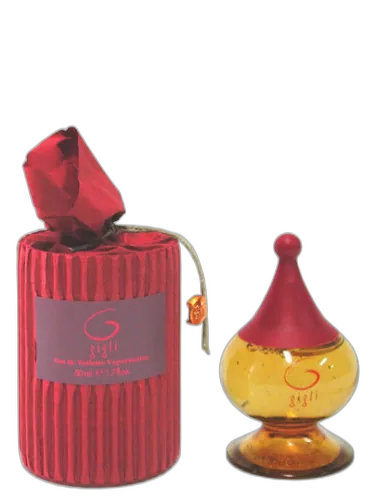
Romeo Gigli
G Gigli Romeo Gigli
Shared top notes: green notes, pineapple
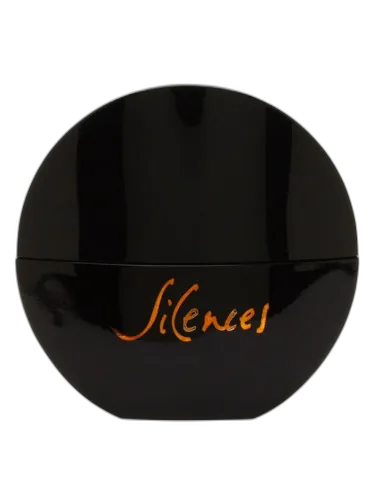
Jacomo
Silences Jacomo
Shared top notes: green notes
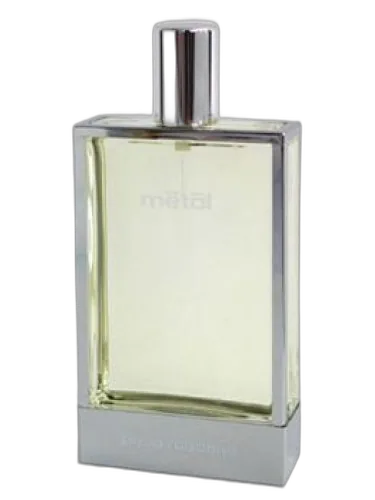
Rabanne
Metal Rabanne
Shared top notes: green notes
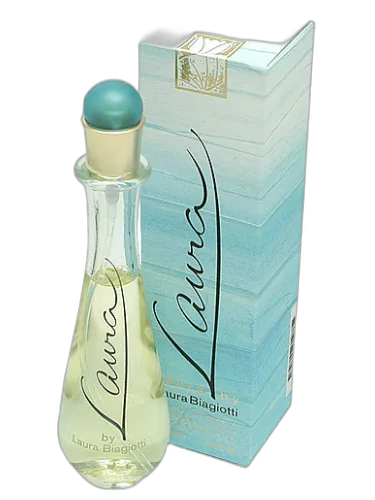
Laura Biagiotti
Laura Laura Biagiotti
Shared top notes: brazilian rosewood, green notes
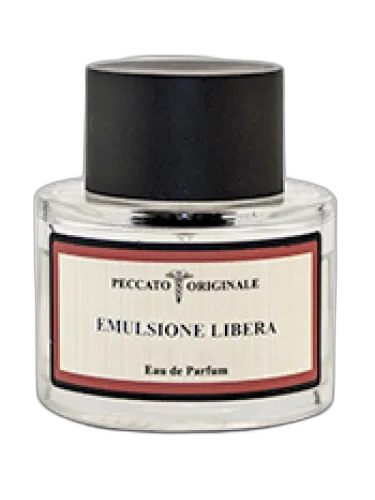
Peccato Originale
Emulsione Libera Peccato Originale
Shared top notes: pineapple