
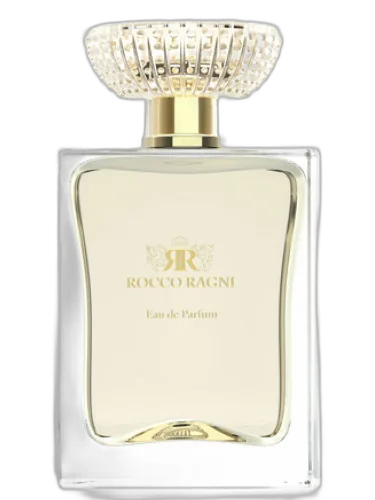

Cashmere Sandalwood Rocco Ragni
At a glance
Is Cashmere Sandalwood Rocco Ragni worth trying?
Cashmere Sandalwood by Rocco Ragni is a Aromatic fragrance for women and men.
- Best match
- Office wear in Fall, Winter
- Performance feel
- Good longevity with Moderate sillage
- Signature profile
- woody, aromatic, fresh spicy with Apple, Plum, Lime
The first impression
Cashmere Sandalwood by Rocco Ragni is a Aromatic fragrance for women and men. Cashmere Sandalwood was launched in 2017. The nose behind this fragrance is Arturetto Landi. Top notes are Apple, Plum, Lime, Bergamot, Nutmeg and Ginger; middle notes are Jasmine, Lotus, Geranium and Sage; base notes are Sandalwood, Vetiver, Patchouli, Cedar, Ambergris and White Musk.
What shapes the scent
The perfumer behind it

Arturetto Landi
Arturetto Landi is an Italian perfumer known for his work with brands like Adjiumi and Al-Jazeera Perfumes. His style balances classic structure with bold contrasts, often blending rich resins with unexpected floral or gourmand notes. Notable creations include the complex 1918 Parfum National series and the intense, darkly sweet Adjiumi Incubo.
Notes pyramid
Top Notes
First impression · 15-30 min
 Apple
Apple
 Plum
Plum
 Lime
Lime
 Bergamot
 Nutmeg
 Ginger
Heart Notes
Core character · 2-4 hours
 Jasmine
 Lotus
Lotus
 Geranium
 Sage
Sage
Base Notes
Lasting impression · 4+ hours
 Sandalwood
 Vetiver
 Patchouli
 Cedar
Cedar
 Ambergris
 White Musk
The mood it creates
The Sage Archetype: Portrait of Cashmere Sandalwood Rocco Ragni
Essence
This person is most closely aligned with the Sage-a seeker of wisdom, drawn to the quiet depths of experience rather than the clamor of the surface. The fragrance they adore, Cashmere Sandalwood Rocco Ragni, mirrors their essence: warm yet reserved, earthy yet refined, with a quiet intensity that lingers. Sandalwood speaks of contemplation, while cashmere suggests a soft, enveloping presence-an invitation to introspection rather than spectacle.
They are not the boisterous philosopher who debates in crowded rooms, but the one who listens, observes, and distills truth in solitude. Their wisdom is not loud but deeply rooted, like the slow-growing sandalwood tree, valued for its heartwood rather than its showy blossoms.
Shadow
Yet wisdom, when untempered by warmth, can become a fortress. Their love of solitude may slip into isolation. Their preference for depth may harden into disdain for those who live more lightly. The Sage risks becoming the Hermit, retreating so far into their own mind that they forget how to touch the world.
Their flaw is not malice but distance-a tendency to over-intellectualize emotion, to analyze rather than feel. They may mistake detachment for strength, failing to recognize that wisdom without compassion is merely cleverness in disguise.
At their worst, they grow rigid, mistaking their own perspective for absolute truth. The very clarity they prize can become a cage, locking them in a world of their own making.
Conclusion
Their tastes are deliberate, favoring the understated over the ostentatious. They wear well-tailored but simple clothing-linen, wool, muted tones-letting texture speak where color does not. Their home is a sanctuary of books, worn leather chairs, and carefully chosen objects: a Japanese tea set, an antique globe, a single framed sketch by an obscure artist. They do not clutter their space with meaningless adornments; everything must serve a purpose or evoke meaning.
Philosophy is not an abstract exercise for them but a lived discipline. They might be drawn to Stoicism, Zen Buddhism, or the writings of Marcus Aurelius-systems that value inner equilibrium over external validation. They do not chase happiness but rather a kind of serene clarity, an alignment between thought and action.
In relationships, they are selective but deeply loyal. They do not crave constant companionship, but when they choose to let someone in, it is with a quiet intensity. Their love is not possessive but steady, like the embers of a long-burning fire. They are the confidant who listens more than they speak, offering insight only when asked.
If you like this, try these
Fragrances with a comparable profile - shared accords, notes, and character.
Rocco Ragni
Cashmere Cedar Rocco Ragni
Shared top notes: apple, bergamot, lime
I Profumi Del Marmo
Portoro I Profumi Del Marmo
Shared top notes: apple, lime, plum

Gritti
Anima Gritti
Shared top notes: apple, bergamot, lime

Creed
Cedre Blanc Creed
Shared top notes: bergamot
Yves Saint Laurent
Y Eau De Parfum Yves Saint Laurent
Shared top notes: apple, bergamot, ginger