
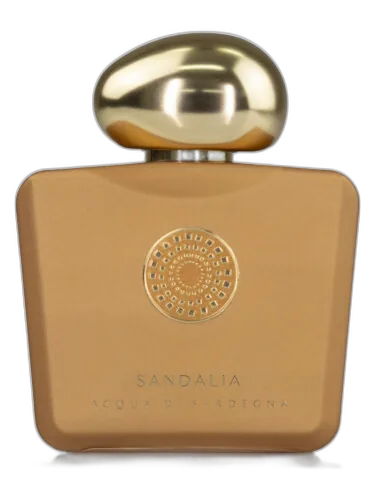

Honebu Sandalia
At a glance
Is Honebu Sandalia worth trying?
Honebu by Sandalia is a fragrance for women and men.
- Best match
- Evening wear in Fall
- Performance feel
- Good longevity with Moderate sillage
- Signature profile
- aromatic, woody, fresh spicy with Cypress, Chamomile, Juniper Berries
The first impression
Honebu by Sandalia is a fragrance for women and men. Honebu was launched in 2022. Top notes are Cypress, Chamomile, Juniper Berries, Hyssop and Artemisia; middle notes are Eucalyptus, Labdanum and Sand; base notes are Labdanum, Laminaria, Vetiver and Cedar.
What shapes the scent
The perfumer behind it

Unknown Perfumer
Notes pyramid
Top Notes
First impression · 15-30 min
 Cypress
 Chamomile
 Juniper Berries
 Hyssop
 Artemisia
Heart Notes
Core character · 2-4 hours
 Eucalyptus
 Labdanum
 Sand
Sand
Base Notes
Lasting impression · 4+ hours
Labdanum
 Laminaria
 Vetiver
 Cedar
Cedar
The mood it creates
The Lover Archetype: Portrait of Honebu Sandalia
Essence
The person who cherishes Honebu Sandalia is, at their core, a Hedonist-one who seeks beauty, pleasure, and sensory richness as a guiding principle. This archetype is not mere indulgence, but a philosophy: life must be felt deeply, tasted fully, and adorned with elegance. They are drawn to warmth, sensuality, and the sacredness of earthly delights. Yet, like all archetypes, the Hedonist has a shadow-a tendency toward excess, fleeting passions, and a reluctance to face the austere or the mundane.
Philosophy & Values
To them, pleasure is not frivolous-it is a discipline. They reject the puritanical notion that joy must be earned; instead, they see delight as a birthright. Their philosophy is Epicurean in nature: the avoidance of suffering through mindful indulgence. They do not chase excess for its own sake, but rather seek the perfect moment-the first sip of a well-aged wine, the weight of a lover’s hand on their shoulder, the slow unfurling of a symphony’s crescendo.
Yet, this pursuit has its dangers. Their values can tip into escapism, a refusal to engage with life’s harsher truths. They may grow impatient with those who do not share their appetite for beauty, dismissing practicality as dullness.
Relationships
In love, they are both generous and demanding. They give affection lavishly-thoughtful gifts, lingering touches, whispered words-but they also expect devotion in return. Their relationships are performances of passion, where every glance holds meaning and silence is a language. They are drawn to partners who match their intensity, who understand that love is not just companionship but an ongoing seduction.
Yet, their shadow emerges here too. They may grow restless when the initial fire dims, mistaking stability for stagnation. Commitment, to them, must remain dynamic-or else it risks becoming a cage.
Shadow
The Hedonist’s greatest weakness is their fear of the void. When life grows dull or painful, they do not sit with it-they seek another distraction, another intoxication. This can lead to cycles of indulgence and regret, a hunger that is never quite satisfied. They may grow disdainful of those who endure suffering quietly, seeing stoicism as a kind of cowardice.
But if they learn to integrate their shadow, they discover that true depth comes not just from pleasure, but from the courage to face its absence. The most mature Hedonist knows that even the richest wine loses its flavor if one never tastes bitterness.
Conclusion
The lover of Honebu Sandalia is a creature of fire-warm, radiant, but capable of burning too brightly. Their life is a testament to the belief that beauty is worth pursuing, but their challenge is to remember that not all wisdom comes draped in silk. Sometimes, it wears the plain robes of patience, of stillness, of the unadorned moment.
If they master this balance, they become not just a seeker of pleasure, but a true connoisseur of life.
If you like this, try these
Fragrances with a comparable profile - shared accords, notes, and character.
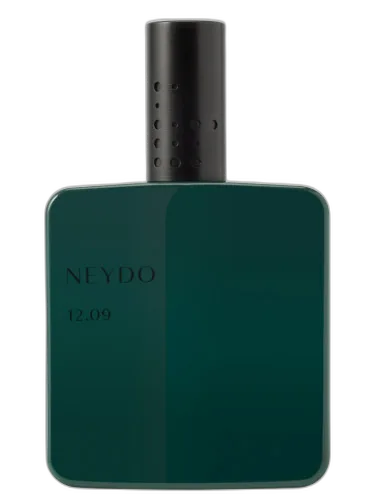
NEYDO
Mossland 12.09 Neydo
Shared top notes: cypress, juniper berries
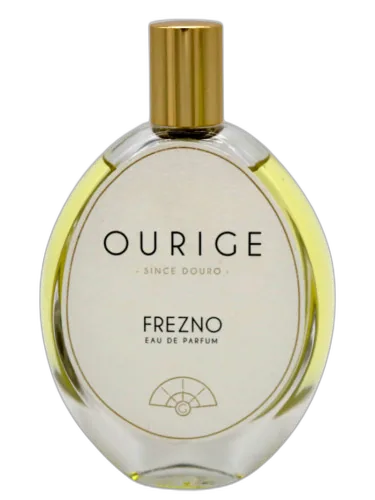
Ourige Since Douro
Frezno Ourige Since Douro
Shared heart notes: labdanum
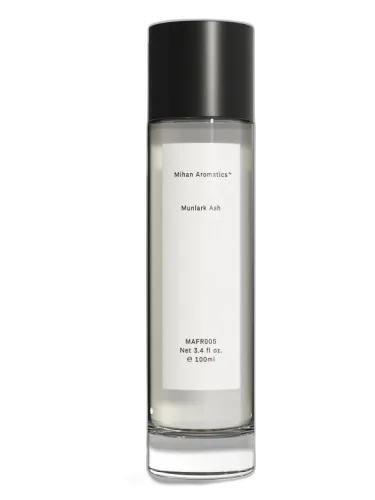
Mihan Aromatics
Munlark Ash Mihan Aromatics
Shared top notes: cypress
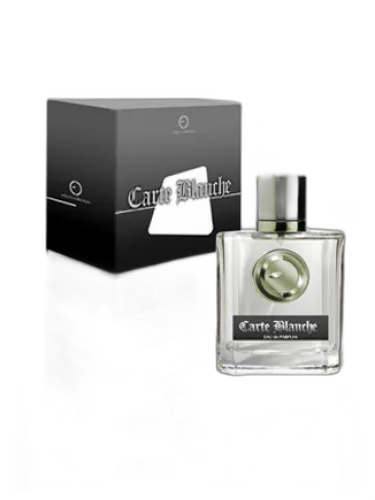
Eclectic Collections
Carte Blanche Eclectic Collections
Shared base notes: cedar, labdanum, vetiver
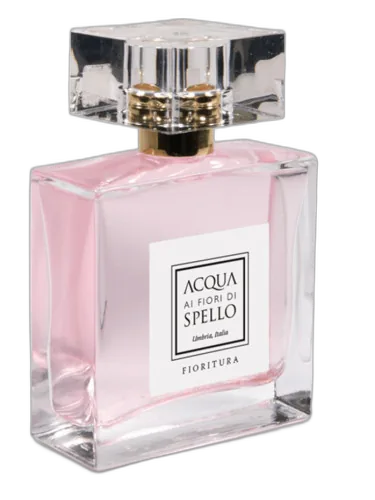
Acqua ai Fiori di Spello
Fioritura Acqua Ai Fiori Di Spello
Shared top notes: artemisia