


Honeybush Scent Trunk
At a glance
Is Honeybush Scent Trunk worth trying?
Honeybush by Scent Trunk is a Aromatic Fruity fragrance for women and men.
- Best match
- Casual wear in Fall
- Performance feel
- Good longevity with Moderate sillage
- Signature profile
- citrus, fresh spicy, aromatic with Sichuan Pepper, Lime, Lemon
The first impression
Honeybush by Scent Trunk is a Aromatic Fruity fragrance for women and men. Honeybush was launched in 2021. The nose behind this fragrance is Chavalia Mwamba.
What shapes the scent
The perfumer behind it

Chavalia Mwamba
Chavalia Mwamba is a perfumer who has worked with Arshan Persia and Pink Mahoghany Fragrances. She created Love & Bastani Arshan Persia, as well as A Mother’s Love, Ada Williams, Fedora, French Cuffs, Gent, Kiasi, and Le Minimaliste (version I) for Pink Mahoghany Fragrances. Her work often explores cultural narratives through rich, layered accords.
Notes pyramid
All Notes
Complete scent profile
 Sichuan Pepper
 Lime
Lime
 Lemon
Lemon
 Blood Mandarin
 Honeysuckle
 Mango Blossom
 Tansy
Tansy
 Cardamom
Black Tea
Cardamom
Black Tea
 Ho Wood
 Leather
 Bay Leaf
The mood it creates
The Innocent Archetype: Portrait of Honeybush Scent Trunk
Essence
To wear Honeybush Scent Trunk is to embrace warmth-a fragrance that is earthy yet sweet, comforting yet subtly wild. The person who chooses this scent is drawn to its golden, sunlit essence, its balance of softness and depth. They are, at their core, a Nurturer-one who thrives in creating harmony, fostering growth, and tending to the emotional and physical well-being of others.
This individual moves through life with quiet intention, their presence like the steady hum of a beehive-industrious, purposeful, yet never oppressive. They are the friend who remembers birthdays, the colleague who brings homemade treats, the partner who instinctively knows when to offer a listening ear. Their philosophy is rooted in the belief that care is an art, that small acts of kindness accumulate into something greater.
Their style reflects this warmth: natural fabrics, earthy tones, perhaps a touch of bohemian ease. They favor textures that invite touch-knitted shawls, worn-in leather, linen softened by time. Their home is a sanctuary, filled with plants, well-loved books, and the scent of simmering spices. They are drawn to craftsmanship, valuing objects that carry history, that tell stories.
In relationships, they are the anchor-reliable, empathetic, deeply attuned to the needs of others. They do not seek the spotlight but instead find fulfillment in seeing those they love flourish. Their love language is acts of service, and they express affection through gestures rather than grand declarations.
Yet, beneath this generosity lies a paradox: the Nurturer’s greatest strength is also their greatest vulnerability.
Shadow
The Nurturer’s flaw is self-effacement. In their devotion to others, they may neglect their own needs, mistaking self-sacrifice for virtue. They fear being perceived as selfish, and so they pour themselves out until they are hollow. Resentment may simmer beneath the surface, unspoken but corrosive.
They may also struggle with boundaries, mistaking dependency for intimacy. Their instinct to heal can lead them into relationships with those who take more than they give, leaving the Nurturer depleted. At their worst, they become martyrs, deriving identity from being needed rather than from their own desires.
The Nurturer’s journey is one of balance-learning that care must extend inward as well as outward. When they embrace this truth, they become not just givers but wise stewards of their own energy. They recognize that true nurturing is not about endless giving, but about fostering mutual growth.
Their love of Honeybush reflects this duality: it is a scent that is both grounding and uplifting, a reminder that sweetness must be tempered with depth. The Nurturer, too, must learn that to care for others fully, they must first care for themselves.
In the end, the person who wears this fragrance is one who understands that life is not merely to be lived, but to be tended-like a garden, like a flame, like a story still being written.
If you like this, try these
Fragrances with a comparable profile - shared accords, notes, and character.
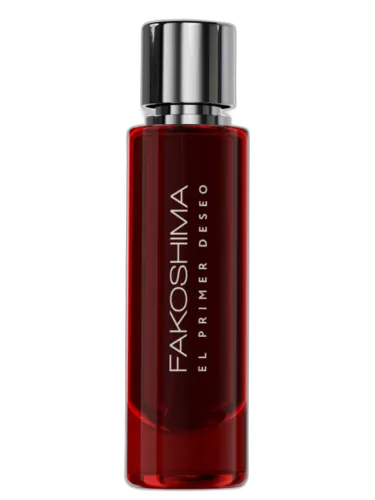
Fakoshima
El Primer Deseo Fakoshima
Shared top notes: cardamom, lemon, lime
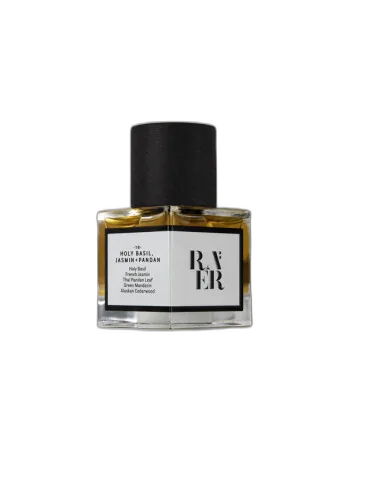
RAER Scents
Raer 10 Holy Basil, Jasmin + Pandan Raer Scents
Shared top notes: cardamom, sichuan pepper
Luxor Fragrances
Vice City Luxor Fragrances
Shared top notes: leather, lime

One Diffusion
One Diffusion F-070 One Diffusion
Shared top notes: honeysuckle, lemon
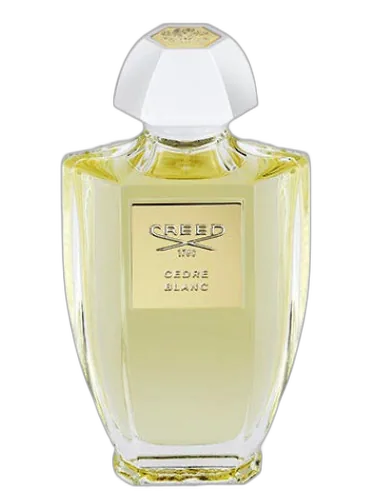
Creed
Cedre Blanc Creed
Shared top notes: bay leaf, cardamom